Introduction
Bench pressing at home is a practical way to build upper-body strength without relying on a commercial gym. However, choosing the right equipment matters. A bench that moves during exercise, offers limited adjustment options, or does not fit your available space can make home strength training less convenient.
For people building a home gym, the main decision is whether to choose a basic flat bench, an adjustable weight bench, or a multifunctional workout bench that supports a wider range of exercises.
A workout bench for home bench pressing should provide stable support, suitable adjustment options, adequate weight capacity, and a footprint that fits your training space. The right choice depends on your experience, the exercises you plan to perform, and the equipment you already own.
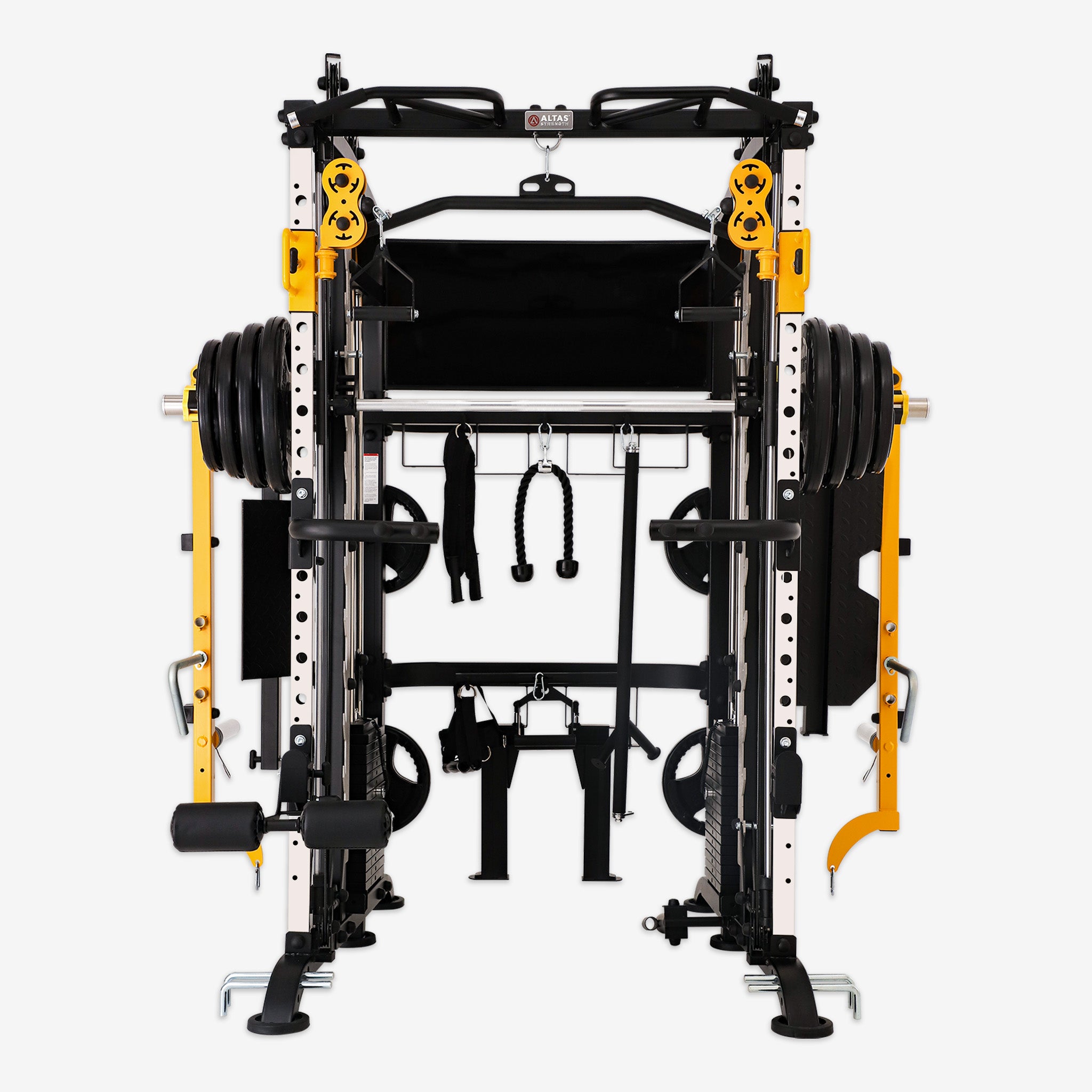
Altas Strength AL-4026 and AL-4030 are options to consider when comparing multifunctional workout benches for home strength training. This guide explains what to look for, how different bench types compare, and when a multifunctional bench may be worth the investment.
1. What Do You Need for Bench Press at Home?
The equipment you need depends on how you plan to perform the bench press.
Dumbbell Bench Press
For dumbbell bench presses, you generally need a stable weight bench and a suitable pair of dumbbells. An adjustable bench offers additional exercise options because you can change the backrest angle for different pressing movements.
Before exercising, check that the bench is positioned on a stable, level surface and that its capacity is appropriate for the intended load.
Barbell Bench Press
A barbell bench press requires more than a workout bench. You also need a suitable barbell setup, such as a properly rated rack or bench press station with appropriate safety supports.
Do not attempt heavy barbell bench presses alone without suitable safety equipment. A bench by itself does not prevent a barbell from becoming trapped or falling.
Incline and Decline Bench Press
An adjustable bench can support different pressing angles, depending on its adjustment range and design. A flat bench is generally sufficient for flat pressing but does not provide the same angle options.
Buyers should confirm which positions the bench supports instead of assuming that every adjustable bench offers flat, incline, and decline settings.
A More Versatile Home Gym Setup
If you want to perform dumbbell presses, seated shoulder presses, and other upper-body exercises with one bench, a multifunctional or adjustable model may offer better long-term versatility than a basic flat bench.
However, additional functions are valuable only when they match your training plan and available space.
2. What Features Matter Most in a Home Workout Bench?
The right bench should match your exercises, body position, training equipment, and expected use.
Adjustment Mechanism and Position Security
For an adjustable bench, examine how the backrest and seat are adjusted and secured.
The Altas Strength bench designs described in your product framework use a serrated, shark-tooth-style adjustment mechanism with multiple locking positions. When evaluating this feature, check that the adjustment engages correctly and that the bench is used according to the manufacturer's instructions.
A clear adjustment system makes it easier to select the intended position before beginning a set.
Independent Backrest and Seat Adjustments
Separate backrest and seat adjustments can provide more control over body positioning at different bench angles.
This can be useful for users who perform both flat and incline dumbbell presses. The practical benefit depends on the available positions and whether the bench fits the user's body proportions.
Frame Construction and Stability
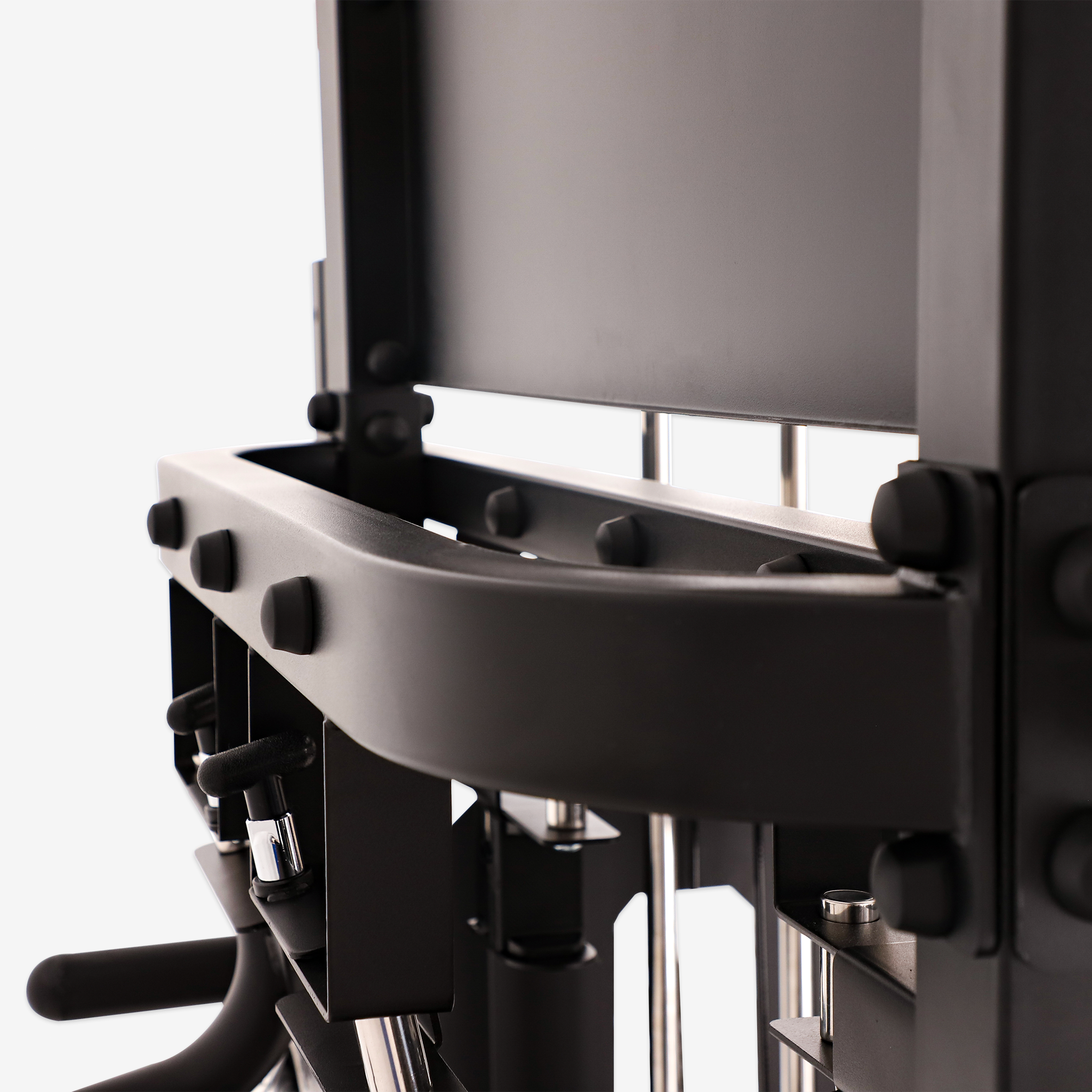
A workout bench should remain stable during its intended use. Compare the frame construction, base design, locking components, stated weight capacity, and overall build quality.
Remember that advertised weight capacity does not by itself prove that a bench will feel stable in every exercise or configuration.
Padding and Body Support
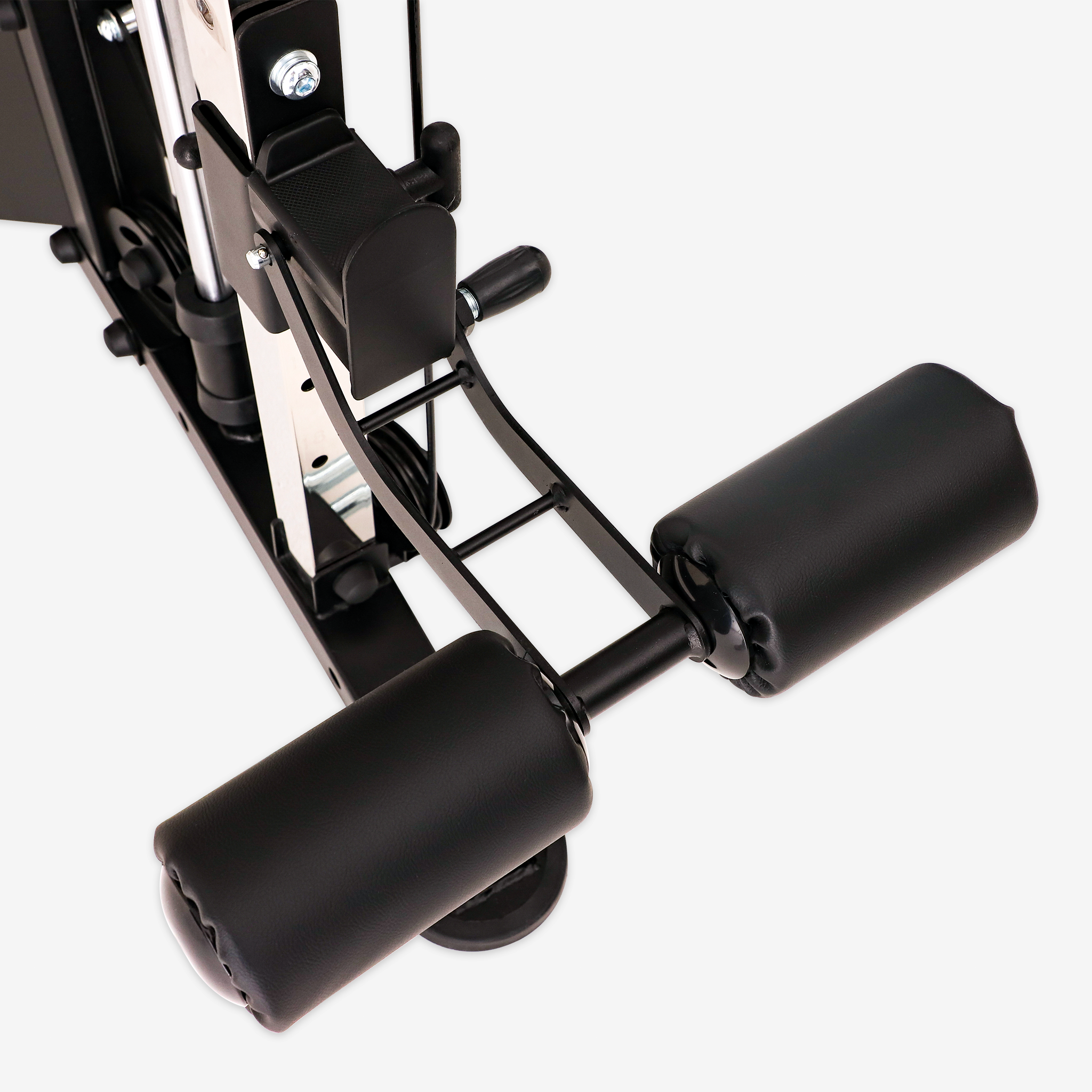
The backrest and seat should provide suitable support without interfering with your movement. Consider the pad dimensions, firmness, surface material, and how the padding feels during pressing exercises.
Longer or wider padding may benefit some users, but a larger pad is not automatically a better fit for everyone.
Multifunctional Training Options
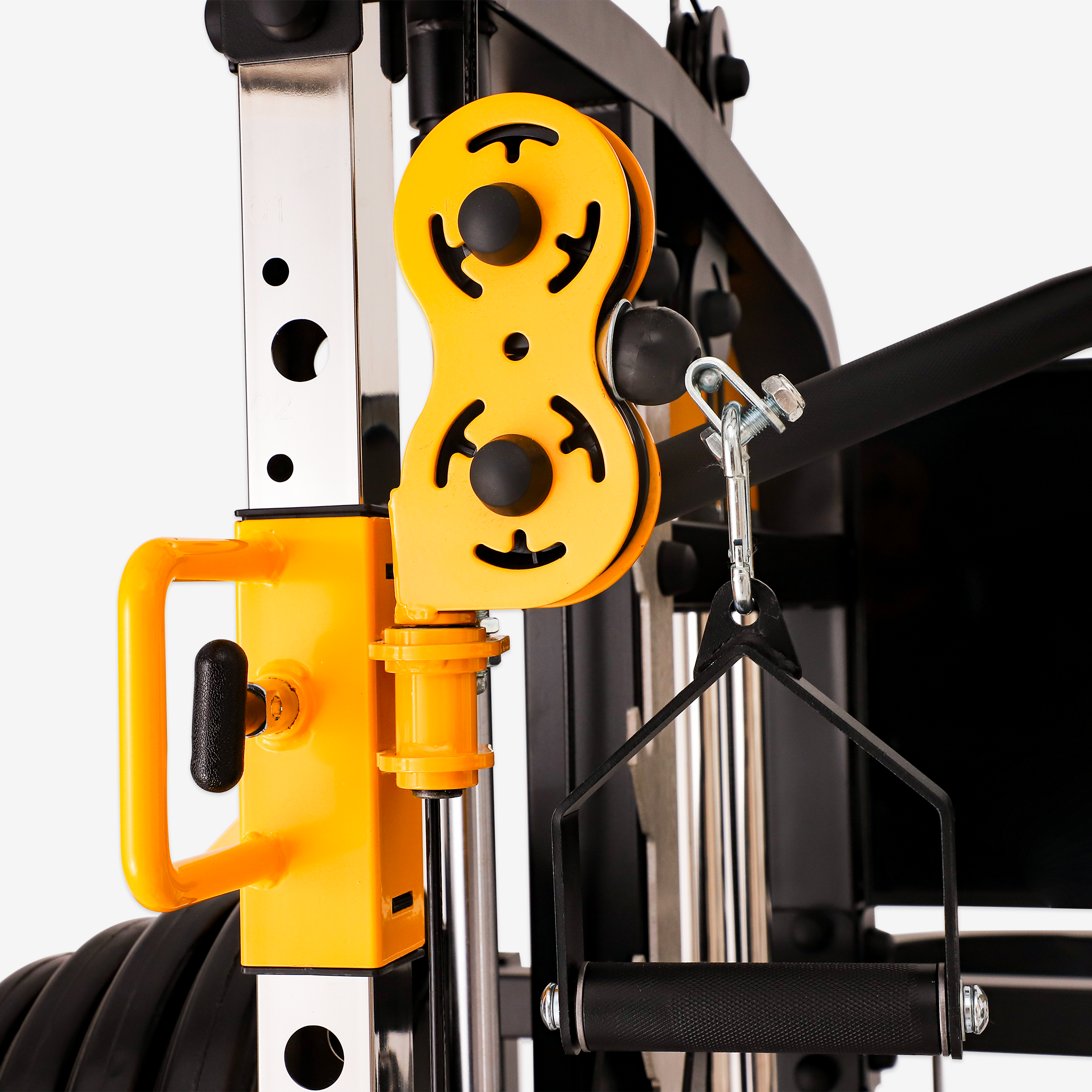
Some benches support more than pressing movements. Depending on the model and included attachments, a multifunctional bench may expand the range of exercises available in a home gym.
Before buying, confirm the actual functions and included accessories. Do not assume that every multifunctional bench includes a cable system or supports every type of upper-body exercise.
Weight Capacity and Compatibility
Review the manufacturer's stated weight capacity and understand what it covers. A bench's capacity may account for the combined load of the user and weights, depending on the manufacturer's specification.
If you plan to use the bench with a barbell rack, cable equipment, or other accessories, verify compatibility before purchase.
3. Common Challenges With Bench Press at Home
Home training offers flexibility, but equipment and space limitations can affect the experience.
Unstable or Unsuitable Household Furniture
Chairs, stools, and other household furniture are not substitutes for a purpose-built weight bench. They may lack the dimensions, stability, padding, and load ratings needed for strength training.
Choose equipment designed for the exercise rather than improvising with furniture that has not been rated for the intended load.
Limited Adjustment Options
A basic flat bench can work well for flat dumbbell presses and other supported exercises. However, it cannot provide the same range of pressing angles as an adjustable bench.
If incline pressing is an important part of your routine, consider whether an adjustable model better fits your long-term training needs.
Safety Equipment for Barbell Pressing
A stable bench is only one part of a safe barbell bench press setup. The rack, safety supports, and surrounding space also matter.
Use equipment designed for the intended load, follow the manufacturer's setup instructions, and avoid heavy solo barbell attempts without suitable safety supports.
Space Requirements
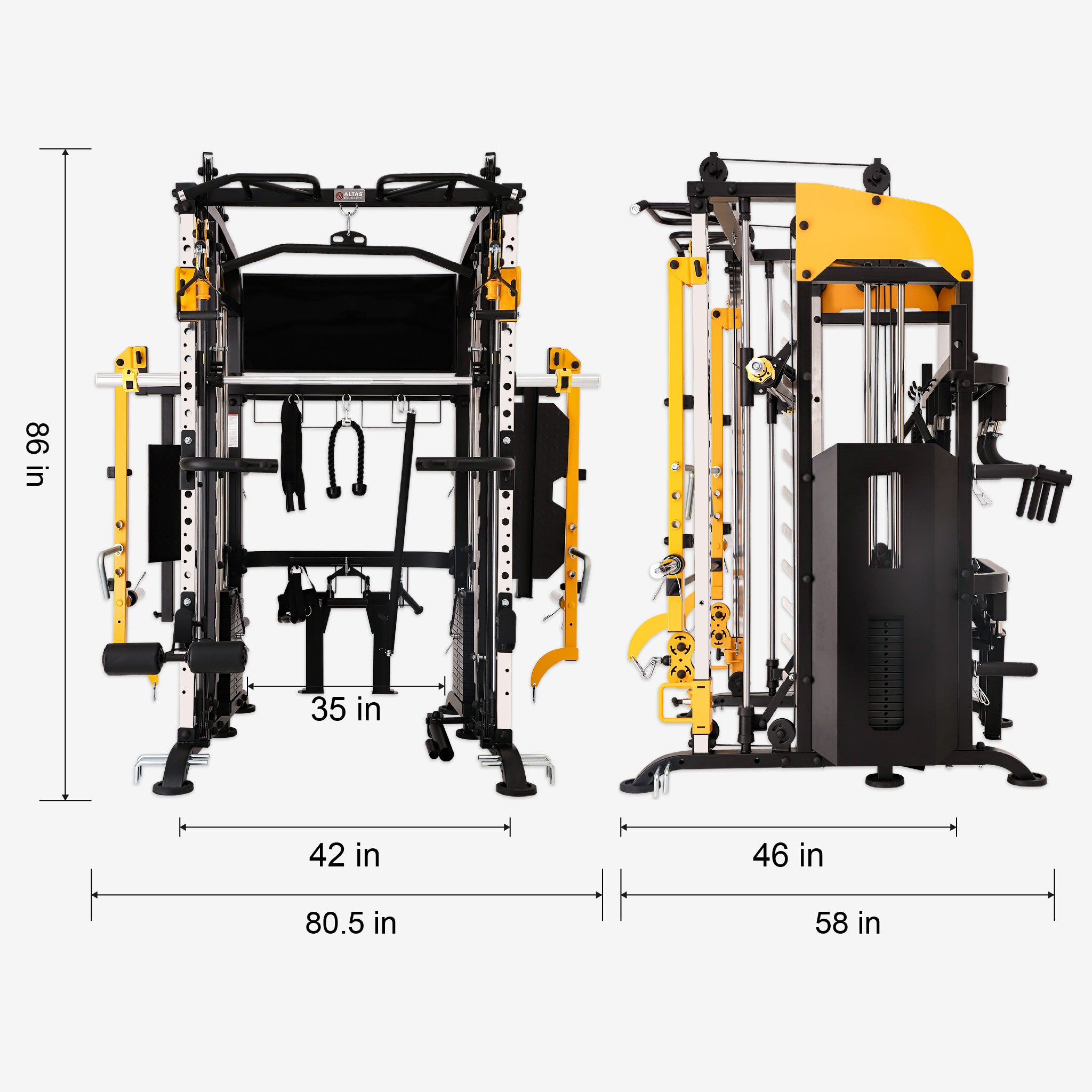
A multifunctional bench may provide more exercise options but can require more space than a compact flat bench. You also need enough room to position dumbbells, adjust the bench, and enter and exit the exercise safely.
Measure the available area before ordering. If you need to store the bench after each workout, check whether its design supports your storage requirements.
Learning the Adjustment System
More adjustment options can make a bench versatile, but users still need to understand how to set and secure each position.
Read the instructions and verify that all locking mechanisms are engaged before using the bench. A feature-rich design is most useful when its setup is clear and repeatable.
4. Adjustable Bench vs. Flat Bench vs. Multifunctional Bench
These three categories address different home gym needs.
| Bench type | Main advantage | Main limitation | Best suited to |
|---|---|---|---|
| Basic flat bench | Simple design and straightforward setup | Limited pressing-angle options | Users who mainly perform flat pressing and basic exercises |
| Adjustable weight bench | Supports flat and additional pressing angles | Adjustment range and stability vary by model | Users who want more exercise variety |
| Multifunctional workout bench | May combine adjustable positioning with additional training functions | Can require more space and setup | Home gym owners who will regularly use the added functions |
| Commercial-style bench | May suit frequent use in a dedicated training environment | Price, dimensions, and features may exceed household needs | Buyers prioritizing a dedicated gym setup |
Flat Bench vs. Adjustable Bench
A flat bench can be a practical starting point when your routine focuses on flat dumbbell presses and other basic exercises.
An adjustable bench provides more options for changing the pressing angle. It is worth considering if you want to include incline pressing or seated pressing movements without purchasing another bench.
Adjustable Bench vs. Multifunctional Bench
An adjustable bench focuses primarily on providing different support angles. A multifunctional bench may offer additional exercise options, depending on its design.
The decision comes down to use. If you only need a few pressing movements, a straightforward adjustable bench may be sufficient. If you plan to use the additional functions regularly, a multifunctional model may provide better value.
Home Bench vs. Commercial Gym Bench
A commercial-style bench is not automatically the best choice for a home gym. Consider whether its construction, dimensions, features, and price suit your intended use.
For residential training, a bench that provides the required support and exercise options without overwhelming the available space may be the more practical investment.
5. Why Consider a Multifunctional Workout Bench From Altas Strength?
Altas Strength AL-4026 and AL-4030 are models to evaluate if you are looking for a workout bench designed to support multiple home strength-training needs.
Based on the product framework, the main comparison points are adjustment design, frame construction, body support, and exercise versatility.
Multiple Bench Positions
A multi-position bench can support different pressing angles when the model's adjustment range includes those positions. Confirm the specific settings available on the AL-4026 or AL-4030 before choosing a model.
Adjustment and Position Locking
The described serrated adjustment system is intended to provide defined adjustment positions. Buyers should review the product instructions and inspect the locking mechanism to understand how it is secured before use.
Support for Different Training Goals
An adjustable workout bench can support more than flat pressing. Depending on the configuration, it may be useful for incline dumbbell presses, seated presses, and other supported strength exercises.
Consider the movements you actually perform and compare them with each model's documented functions.
One Bench for a Broader Home Gym Routine
Combining multiple bench positions in one piece of equipment can reduce the need to buy separate flat and incline benches.
That does not mean every multifunctional bench saves space compared with every alternative. Compare the actual footprint, clearance requirements, and storage options before making a decision.
Choosing Between AL-4026 and AL-4030
Rather than selecting a model based on its name alone, compare the current published specifications for:
-
Supported bench positions and adjustment range
-
Weight capacity and the manufacturer's definition of that rating
-
Frame dimensions and overall footprint
-
Backrest and seat dimensions
-
Included attachments and supported exercises
-
Assembly requirements and available instructions
The best choice is the model whose documented features match your training plan, space, and budget.
6. Who Should Consider a Multifunctional Bench for Home Use?
Home Gym Owners Who Want Exercise Variety
If you regularly perform flat and incline dumbbell presses or other supported upper-body exercises, an adjustable or multifunctional bench can help expand your routine.
Intermediate Lifters
People with an established strength-training routine may value the ability to change bench angles and use one piece of equipment for several exercises.
The bench should still match the user's experience, the weights being used, and the other equipment in the setup.
Households With More Than One User
An adjustable bench can accommodate different exercise preferences and body positions. Check the adjustment range and pad dimensions if multiple people will share the equipment.
Home Gym Builders Investing for Long-Term Use
If you plan to train consistently and want to expand your exercise options over time, it may be worth investing in a bench with appropriate construction, adjustment features, and capacity for your intended use.
7. Who May Not Need a Multifunctional Bench?
A more advanced bench is not necessary for everyone.
Occasional exercisers: If you train infrequently and mainly perform basic exercises, a simple bench may meet your needs at a lower cost.
Users with very limited space: A compact flat bench may be easier to position or store than a larger multifunctional model.
People who only perform flat pressing: If you have no plans to use incline positions or additional functions, paying for those features may not be worthwhile.
Users expecting a complete bench press station: A workout bench alone does not provide a barbell, rack, safety supports, or weights. Check what is included and purchase compatible equipment as needed.
Beginners unfamiliar with strength equipment: Beginners can use suitable benches, but they should learn the setup and exercise technique before increasing resistance. Additional functions are not a substitute for proper instruction.
8. Home Bench Press Buying Checklist
Before buying a workout bench, review the following:
-
Training goals: Do you need flat pressing only, or multiple bench angles?
-
Exercise type: Will you use dumbbells, a barbell rack, or additional training attachments?
-
Stability: Is the bench designed for your intended exercises and loading conditions?
-
Adjustment range: Are the positions you need supported by the model?
-
Locking system: Can you clearly verify that the selected position is secured?
-
Capacity: Have you reviewed the manufacturer's stated rating and what it includes?
-
Padding: Do the seat and backrest provide suitable support for your body proportions?
-
Space: Have you measured the footprint and the room required to exercise?
-
Compatibility: Are the bench, rack, barbell, and accessories designed to work together?
-
Long-term value: Will you use the additional features regularly enough to justify their cost?
A careful comparison helps you choose a bench based on actual training requirements instead of relying on broad claims about professional performance.
Final Verdict: Is a Multifunctional Bench Worth It for Bench Press at Home?
A workout bench is an important part of many home strength-training setups, but the right type depends on how you train.
A flat bench may be sufficient for basic pressing. An adjustable bench provides more pressing angles, while a multifunctional bench may offer additional training options in one piece of equipment.
Altas Strength AL-4026 and AL-4030 are worth evaluating if your goal is to build a more versatile home gym. Compare their documented adjustment positions, capacity, dimensions, construction, and included functions before deciding which model suits your needs.
The bottom line: Choose a home workout bench based on stability, exercise compatibility, adjustment options, space, and intended use. The best bench is not necessarily the one with the most features—it is the one that supports your training plan and fits your home gym.