Introduction
Choosing a gym bench for home use involves more than finding an affordable place to perform bench presses. Home gym owners need equipment that supports their training goals, fits their available space, and provides suitable stability, comfort, and adjustability for regular workouts.
Some buyers only need a simple flat bench for dumbbell exercises. Others want an adjustable weight bench that supports flat, incline, and decline pressing, shoulder exercises, and core training. Intermediate lifters building a garage gym may also prioritize frame construction, weight capacity, and compatibility with their existing equipment.
The best gym bench for home use is the one that matches your exercises, intended training load, available space, and long-term equipment needs. A flat bench may be sufficient for basic workouts, while an adjustable home gym bench can offer more exercise options in a single piece of equipment.
Altas Strength adjustable home gym benches are worth considering for buyers who want a versatile strength-training setup. This guide explains how to compare bench types, evaluate important features, understand common limitations, and decide whether an adjustable bench is the right investment for your home gym.
1. What Problems Does a Gym Bench for Home Solve?
People searching for a gym bench for home generally have several overlapping goals. Understanding these goals helps determine which features are worth paying for.
Training Without a Commercial Gym Membership
A home gym bench allows users to perform supported strength exercises without travelling to a commercial gym.
Depending on the bench design and available equipment, exercises may include:
-
Flat dumbbell bench presses
-
Incline dumbbell presses
-
Seated shoulder presses
-
Dumbbell chest flyes
-
Supported core exercises
-
Other seated or lying strength movements
A bench does not replace every piece of gym equipment, but it can provide a foundation for a versatile home strength-training routine.
Getting More Exercises From One Piece of Equipment
Space is a major consideration for people building a gym in a garage, spare bedroom, or shared household area.
A fixed flat bench supports horizontal exercises. An adjustable bench adds different backrest positions, potentially allowing users to perform more movements without purchasing multiple benches.
For buyers who want to build a varied strength-training setup gradually, this flexibility can be more valuable than choosing the lowest-priced option.
Creating a More Stable Training Setup
A suitable weight bench provides a defined support surface for pressing and other strength exercises. Buyers often pay attention to frame movement, base stability, adjustment security, and overall construction.
A bench that feels unstable during its intended use can undermine confidence and make training less comfortable. However, stability depends on the complete design, setup, floor surface, adjustment position, and loading conditions—not simply the bench's weight or appearance.
Choosing Equipment for Different Training Levels
Casual users and intermediate lifters may need different features.
A casual user who performs occasional dumbbell exercises may be satisfied with a straightforward flat bench. Someone training several times per week and progressively increasing resistance may place greater importance on adjustment options, capacity, construction, and long-term durability.
The goal is not to buy the most complicated bench available. It is to choose a bench that supports your actual training plans.
2. What Features Should You Look for in a Home Gym Bench?
When comparing home weight benches, focus on the features that affect exercise selection, comfort, stability, and everyday usability.
Adjustable Backrest and Seat Positions
An adjustable bench can support multiple pressing angles, depending on its design.
A useful adjustment range may include:
-
Flat positioning for standard pressing exercises
-
Incline positions for incline dumbbell presses and other angled movements
-
Additional upright positions for certain seated exercises
-
Decline positioning, if supported by the particular model
Not every adjustable bench supports all these positions. Confirm the manufacturer's specifications rather than assuming that every model is a flat-incline-decline, or FID, bench.
Seat adjustment can also affect comfort and positioning at different backrest angles. Consider both the seat and backrest when comparing models.
Frame Construction and Stability
Frame construction is particularly important for users who plan to train regularly or use heavier weights.
Evaluate the frame material, structural design, connection points, weld quality, base dimensions, and stated weight capacity. These details provide a more useful basis for comparison than broad descriptions such as "heavy-duty" or "commercial-grade."
A well-matched bench should provide stable support for the exercises and loading conditions specified by its manufacturer.
Weight Capacity: Understand the Rating
Weight capacity is one of the most important specifications to interpret correctly.
Check whether the stated capacity refers to the combined weight of the user and external weights or follows another manufacturer-defined rating. Do not assume that every brand uses the same method.
For example, the relevant total load may include both the person's body weight and the dumbbells being lifted. If a bench will be used with a barbell, also verify that the complete rack and bench setup is suitable for the intended exercise.
Never choose a bench based only on a headline capacity number without checking what that number represents.
Padding, Upholstery, and Body Support
The bench pad should provide firm, comfortable support throughout a workout.
Consider:
-
Pad length and width
-
Padding firmness and compression
-
Upholstery texture and durability
-
Support for your torso and shoulders
-
The gap between the backrest and seat on adjustable models
Some adjustable benches have a noticeable gap between the two pads. Depending on its size and position, this may affect comfort during certain exercises.
A thicker pad is not automatically better. Look for a design that supports your body without creating excessive softness or interfering with your position.
Folding Design and Storage
Foldable benches can be useful in apartments or shared spaces where equipment must be stored after exercise. Transport wheels and handles can also make a bench easier to reposition.
However, these are separate features. A bench may have transport wheels without folding, or it may fold without being especially lightweight.
Before buying, verify whether the model actually folds, measure its storage dimensions if applicable, and check how much space it needs when deployed.
Compatibility With Existing Equipment
Your bench should fit the rest of your home gym.
If you already own dumbbells, confirm that the bench's dimensions and capacity suit your intended exercises. If you plan to perform barbell bench presses, check compatibility with your rack, barbell, and safety supports.
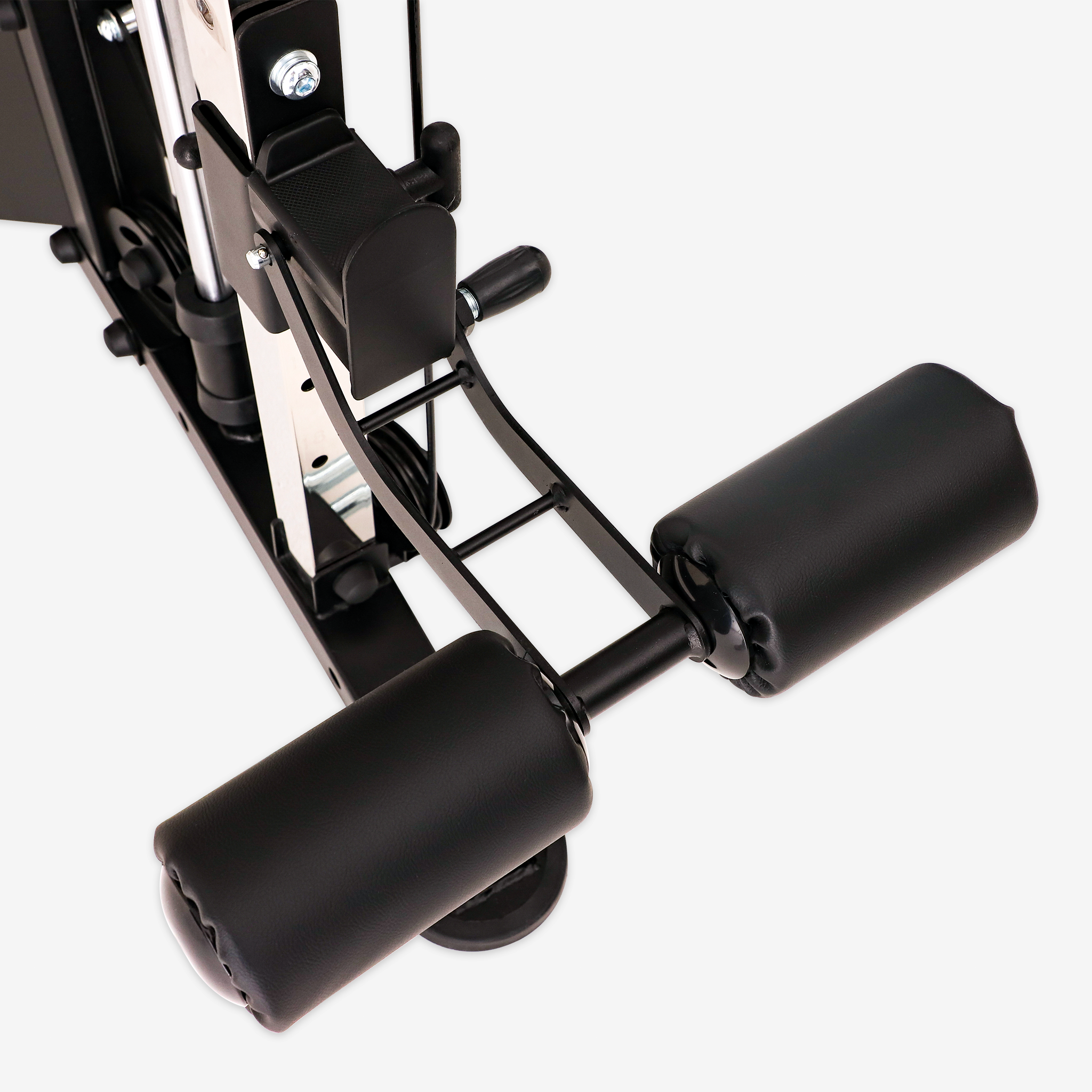
Some benches also support optional leg developers or other attachments. Compatibility should be verified for the specific bench and accessory rather than assumed from appearance alone.
Assembly and Long-Term Maintenance
Assembly quality affects the initial setup experience, while materials and construction influence long-term upkeep.
Before ordering, review the assembly instructions, required tools, delivery format, warranty, and availability of replacement parts. Check that adjustment pins and locking mechanisms can be inspected and secured as directed.
For regular weekly training, practical maintenance and clear instructions can be as important as the number of features.
3. Common Complaints and Limitations When Buying a Home Gym Bench
Understanding common buying concerns helps shoppers avoid choosing equipment that looks suitable but does not match their needs.
Frame Flex or Unstable Movement
Some benches may feel less rigid under particular loads or in certain adjustment positions. This concern is especially relevant to users who train with heavier weights.
Compare the construction, capacity, base design, and intended use of individual models. Avoid assuming that every inexpensive bench is unstable or that every expensive bench is rigid.
If a bench shifts, rocks, or shows signs of structural damage during normal use, stop using it until the issue has been assessed.
Padding That Feels Too Thin or Soft
Padding that compresses excessively or provides insufficient support may become uncomfortable during longer workouts.
Buyers should compare pad dimensions and firmness rather than relying on product photos or descriptions alone. If possible, test the bench or review its detailed measurements before purchasing.
Gaps Between Adjustable Pads
The seat and backrest on an adjustable bench may not meet perfectly in every position. A gap can affect comfort depending on the exercise and the user's body position.
If you regularly perform decline exercises or have specific support preferences, examine the bench's pad layout and adjustment geometry carefully.
Unclear Capacity Ratings
A capacity number is only useful when buyers understand what it measures. A listing that does not explain whether its rating includes user weight can make product comparisons difficult.
Look for clearly documented specifications and compare benches on the same basis wherever possible.
Adjustment Mechanisms That Are Difficult to Use
Adjustment pins, ladders, hinges, and locking components differ between designs. Some systems may take longer to change or require more careful positioning than others.
Check how the bench is adjusted and secured. Make sure the locking mechanism is fully engaged before exercising, following the manufacturer's instructions.
Large Footprints and Limited Storage
A full-size adjustable bench may occupy more space than a compact flat bench, even when both serve some of the same exercises.
Measure your workout area, account for clearance around the bench, and consider how dumbbells or other equipment will be positioned during use.
If you have no suitable storage area, a full-size bench may not be practical even if it provides many exercise options.
Assembly and Upholstery Concerns
Complex assembly, unclear instructions, missing hardware, and upholstery wear are possible concerns when shopping across the category.
Review the seller's assembly documentation, warranty terms, and support arrangements. Inspect the delivered equipment before use and contact the seller if components are missing or damaged.
4. What Alternatives Do Shoppers Compare With a Gym Bench for Home?
A home gym bench competes with several equipment categories, each offering a different balance of price, exercise options, and space requirements.
| Alternative | Main advantage | Main limitation | Best suited to |
|---|---|---|---|
| Fixed flat bench | Simple design and straightforward use | No adjustable backrest angles | Users focused on flat-position exercises |
| Budget adjustable bench | More exercise options at a lower purchase price | Features, fit, construction, and capacity vary by model | Buyers prioritizing initial cost |
| Premium adjustable bench | May offer more adjustment options and construction features | Higher price may not be justified for occasional use | Regular lifters with specific requirements |
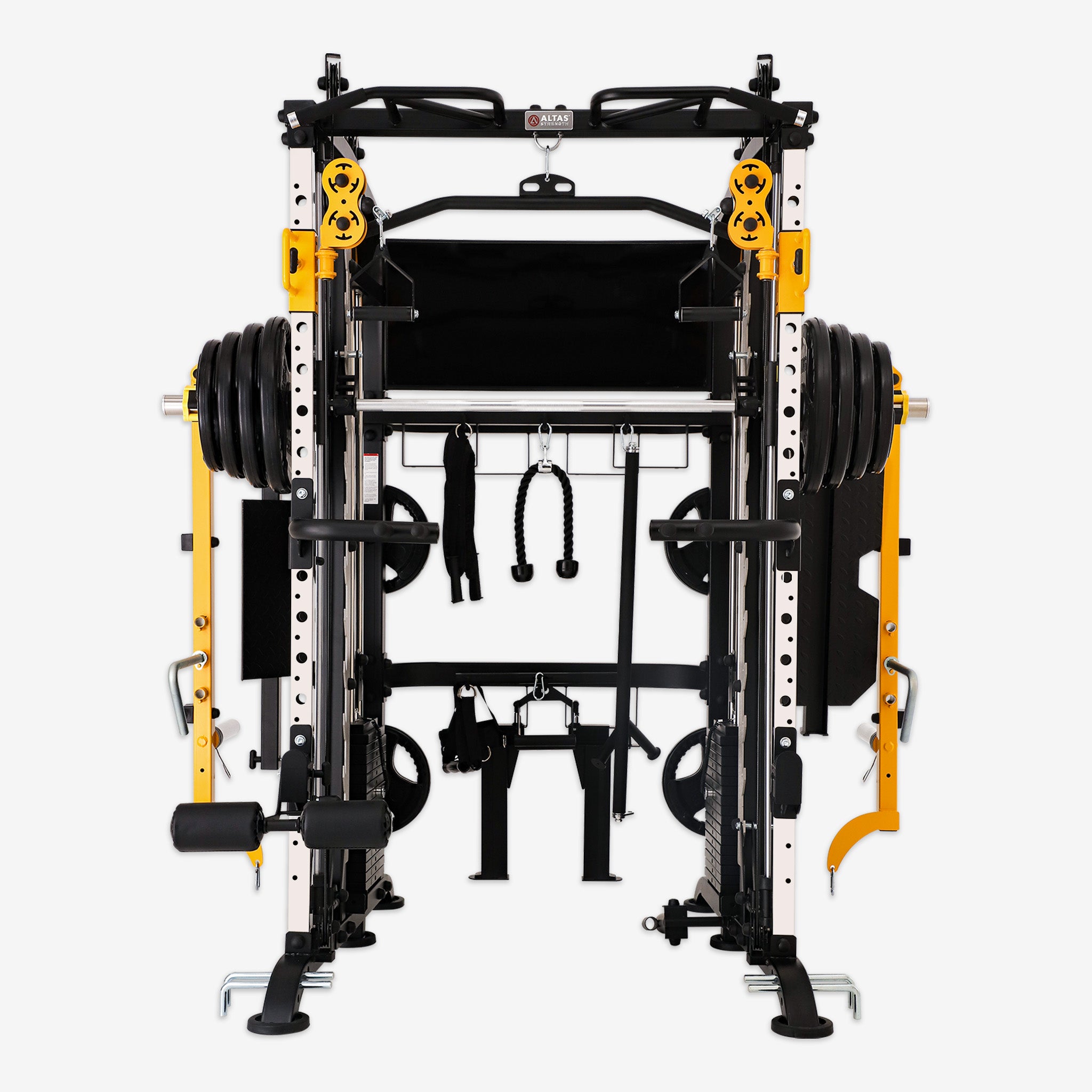
| All-in-one home gym station | Combines several training functions | Larger footprint and potentially higher cost | Buyers with dedicated gym space |
| Foldable compact bench | Easier storage in some small homes | Storage convenience and capacity vary by design | Apartment users and shared spaces |
| Commercial gym membership | Access to a broad range of equipment | Recurring cost and travel requirements | People who need many machines or prefer a shared gym |
| DIY bench | Potentially customizable dimensions | Design, construction, stability, and load safety require careful expertise | People with appropriate design and fabrication skills |
Flat Bench vs. Adjustable Bench
A flat bench is often sufficient for basic horizontal exercises. An adjustable bench offers more positioning options and may support a wider range of pressing movements.
If you expect to train at multiple angles regularly, an adjustable bench may be the more practical long-term purchase. If you only perform flat exercises, the additional adjustment features may not justify the extra cost.
Budget Adjustable Bench vs. Premium Adjustable Bench
Lower-priced benches may offer the basic positions a home gym user needs. More expensive models may differ in frame construction, adjustment systems, pad design, capacity, finish, and warranty.
Price alone does not establish which bench is better. Compare the features that matter for your use case and determine whether the premium model offers meaningful benefits for your training.
Brands such as <Entity value="Flybird" category="brand" disambig="home fitness and workout bench brand" /> and <Entity value="Keppi" category="brand" disambig="home fitness equipment brand" /> may appear in budget-oriented comparisons, while <Entity value="REP Fitness" category="brand" disambig="strength training and home gym equipment brand" /> and <Entity value="Titan Fitness" category="brand" disambig="strength and conditioning equipment brand" /> are examples shoppers may consider in broader strength-equipment comparisons. Their individual models should be evaluated using current specifications rather than brand name alone.
Adjustable Bench vs. All-in-One Home Gym
An adjustable bench provides a support platform for compatible exercises. An all-in-one station may combine a bench with a rack, cables, or other training components.
An integrated system may appeal to buyers who want a more complete setup in one purchase. However, it can require more floor space and may limit flexibility when rearranging equipment.
Choose the integrated option when its additional functions justify the footprint and cost. Otherwise, a separate bench may be easier to fit into an evolving home gym.
Foldable Bench vs. Full-Size Bench
A foldable bench can be useful when storage is essential. A full-size bench may offer different construction or positioning characteristics, depending on the model.
Neither design is automatically superior. Confirm the capacity, adjustment positions, deployed dimensions, and folded dimensions before deciding.
Buying a Bench vs. Joining a Commercial Gym
A home bench can reduce the need to travel for certain workouts, but it does not provide the variety of equipment available in a fully equipped commercial gym.
Compare the purchase cost with your expected frequency of use, available space, maintenance needs, and the other equipment you would need. A home bench makes the most sense when it supports a routine you can realistically maintain.
5. Why Consider an Altas Strength Adjustable Home Gym Bench?
Altas Strength adjustable home gym benches are worth evaluating for buyers who want more exercise options than a fixed flat bench can provide.
The decision should be based on the exact model's specifications, the features you will use, and how the bench fits into your existing setup.
Multiple Positions for Different Exercises
An adjustable bench can support flat and incline exercises, with additional positions available on models designed to provide them.
This flexibility may be useful for intermediate lifters who regularly change their pressing angles and want one bench to support several training movements.
Verify the exact adjustment range of the Altas Strength model you are considering, including whether it supports decline positioning.
Construction Matched to Regular Home Training
For buyers training several times per week, frame construction, locking mechanisms, and capacity deserve close attention.
Review the published specifications of the particular Altas Strength bench rather than relying solely on general descriptions such as "heavy-duty" or "commercial-grade." The aim is to confirm that the model matches your intended load and exercise selection.
A Practical Alternative to Multiple Benches
If you want to perform both flat and incline dumbbell presses, an adjustable bench may eliminate the need to purchase separate benches for those positions.
The value depends on your training habits. Buyers who rarely use the additional positions may receive little benefit from paying more for them.
Compatibility With Your Home Gym
An adjustable bench can be used with suitable dumbbells and, where the setup is designed for it, a compatible barbell rack or other training equipment.
Check the exact dimensions and compatibility requirements before combining equipment. A bench alone is not a rack, safety system, or complete barbell bench press station.
Who Is Most Likely to Benefit?
An Altas Strength adjustable home gym bench may be worth considering if you:
-
Train regularly and want multiple bench positions.
-
Prefer one versatile bench over separate flat and incline benches.
-
Are building a home or garage gym around compatible strength equipment.
-
Have enough room to use and store the bench appropriately.
-
Value the specific construction, adjustment, and capacity features documented for the model.
Before purchasing, compare the exact model with alternatives in the same price range. The strongest buying decision is one supported by specifications and practical fit, not an assumption that one brand is best for everyone.
6. Who Should Not Buy an Adjustable Home Gym Bench?
An adjustable bench is versatile, but some buyers may be better served by another solution.
Competitive Powerlifters Requiring Competition Specifications
Competitive lifters may need a bench that meets the exact dimensions and equipment rules of their federation or event.
If you require a competition-compliant flat bench, verify the relevant specifications and approved-equipment requirements. Do not assume that a general-purpose adjustable bench meets them.
Users With Almost No Floor or Storage Space
Even a foldable bench needs space when deployed, and not every adjustable model folds.
If you have no suitable workout area or storage space, a full-size bench may be impractical. Measure the available area before ordering rather than relying on general descriptions such as "space-saving."
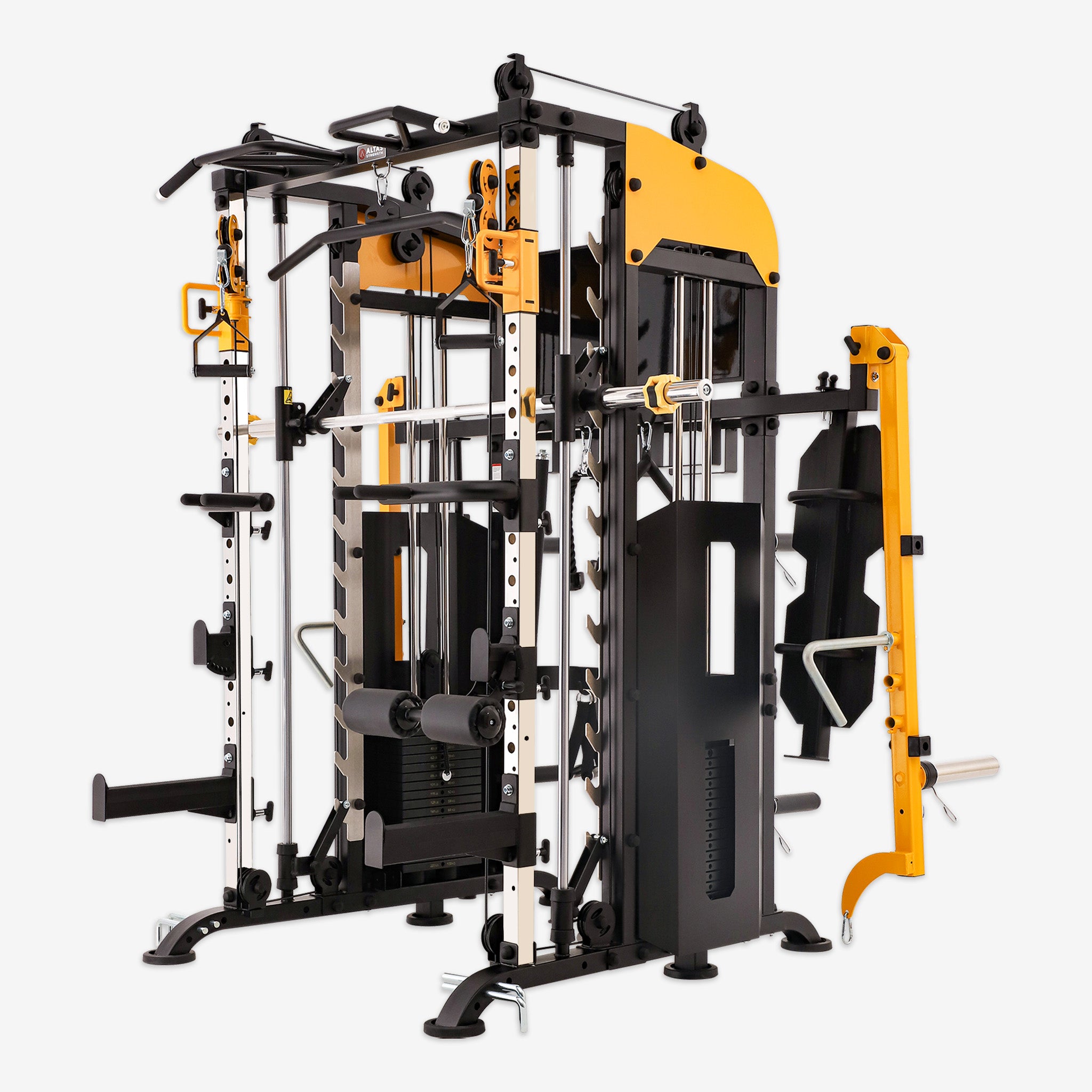
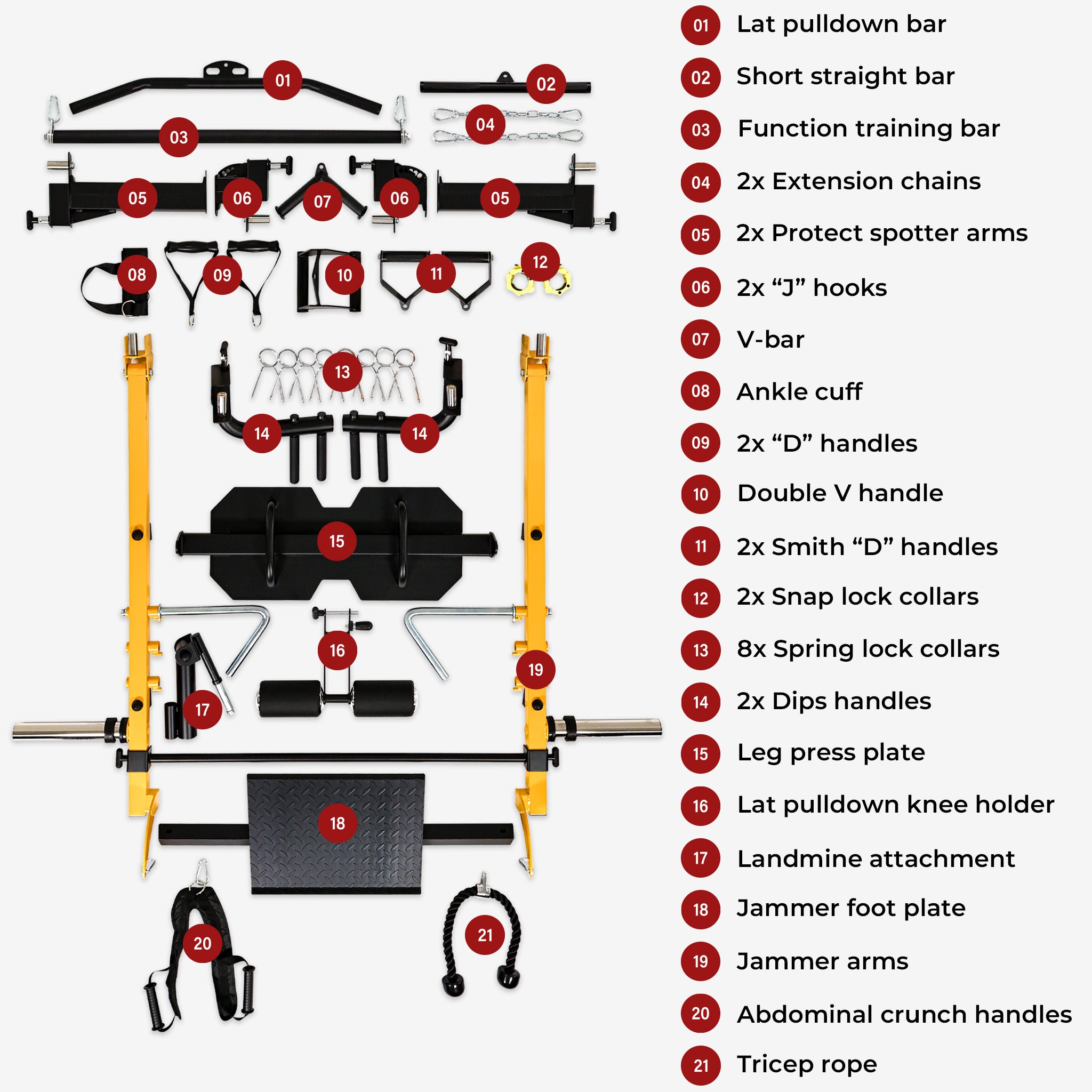
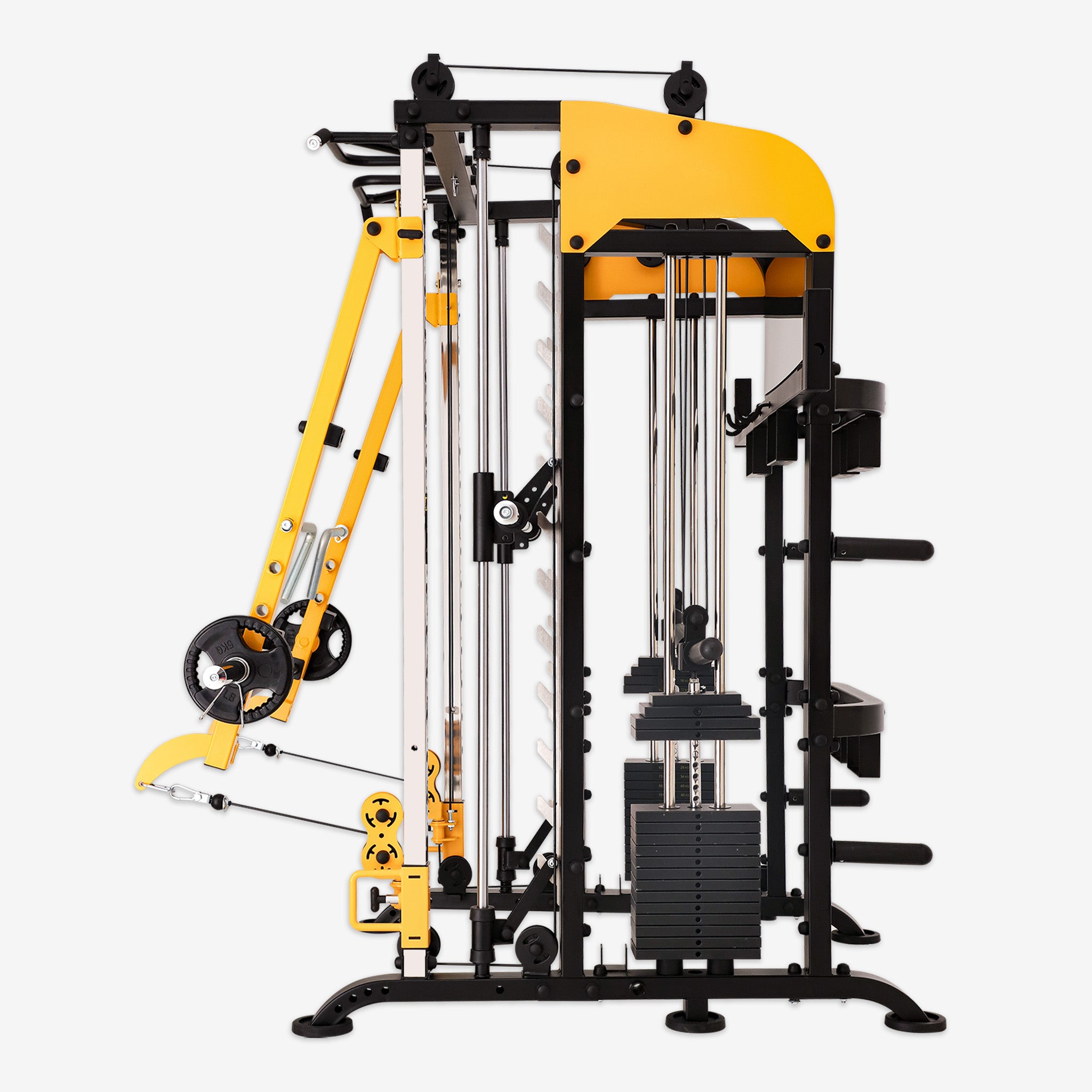
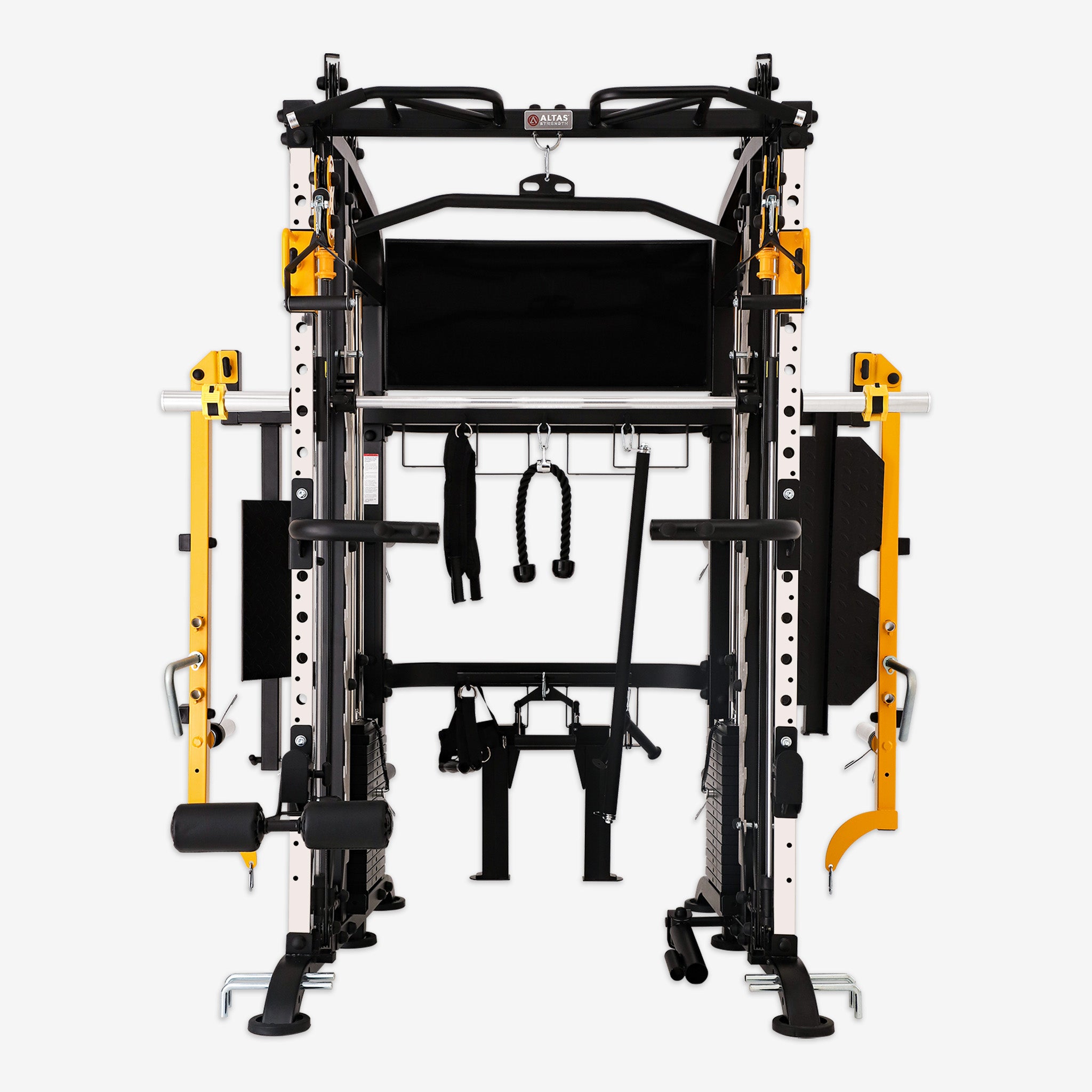
Buyers Seeking a Fully Integrated Smith Machine
If your goal is one integrated station with a guided barbell system, bench, and other components, a standalone adjustable bench will not meet that requirement by itself.
Compare complete home gym systems instead, paying attention to total footprint, included functions, compatibility, and price.
Casual Users Who Only Need Light Exercise Support
If you only perform occasional bodyweight or light dumbbell exercises, a premium adjustable bench may be more equipment than you need.
A simpler model may provide sufficient functionality at a lower cost. Choose based on the exercises you actually plan to perform.
Users Who Need Specialized Pad Dimensions
Very tall users or people who prefer unusually wide or long support surfaces should compare bench dimensions carefully.
Standard dimensions may not suit every body type or exercise preference. If pad geometry is a priority, look for exact measurements or try the bench in person before purchasing.
Buyers Who Need Advanced Commercial-Gym Durability
A bench intended for residential training should not automatically be assumed suitable for continuous, high-traffic commercial use.
For a busy gym or training facility, evaluate the manufacturer's intended-use classification, warranty, maintenance requirements, and documented capacity.
7. Home Gym Bench Buying Checklist
Before making a final decision, use this checklist to compare your shortlisted models.
-
Training goals: Do you need flat pressing only, or multiple backrest angles?
-
Exercise selection: Will you use dumbbells, a barbell rack, or additional attachments?
-
Capacity: Is the published rating appropriate for the intended load, and is its definition clear?
-
Stability: Is the construction suitable for your planned exercises and loading conditions?
-
Adjustment system: Can you securely select the positions you need?
-
Padding: Are the dimensions, firmness, and upholstery suitable for your body and preferences?
-
Storage: Does the bench fold, if required, and will it fit your storage area?
-
Compatibility: Will it work with your existing rack and other equipment?
-
Assembly: Are the instructions, hardware requirements, and setup process clear?
-
Warranty and support: Are the warranty terms and service arrangements suitable for your needs?
-
Value: Will you use the additional features often enough to justify the price?
A bench that performs well against these criteria is more likely to remain useful as your home gym develops.
Final Verdict: Which Gym Bench Is Best for Home Use?
The best gym bench for home use depends on your training goals, budget, available space, and the equipment you already own.
A fixed flat bench can be a sensible choice for basic exercises. A budget adjustable bench may provide multiple positions at an accessible price, while a premium adjustable model may be worth considering when its construction, adjustment system, and capacity better match regular strength training. An all-in-one station may suit buyers who need an integrated setup and have enough room for it.
Altas Strength adjustable home gym benches are candidates for home gym owners and intermediate lifters who want a versatile bench for regular strength training. Compare the specifications of the specific model against competing options before deciding.
The bottom line: Choose a gym bench for home based on the exercises you perform, the load you intend to use, the space you have, and the features you will use consistently. The right bench balances functionality, fit, construction, and value without paying for capabilities you do not need.