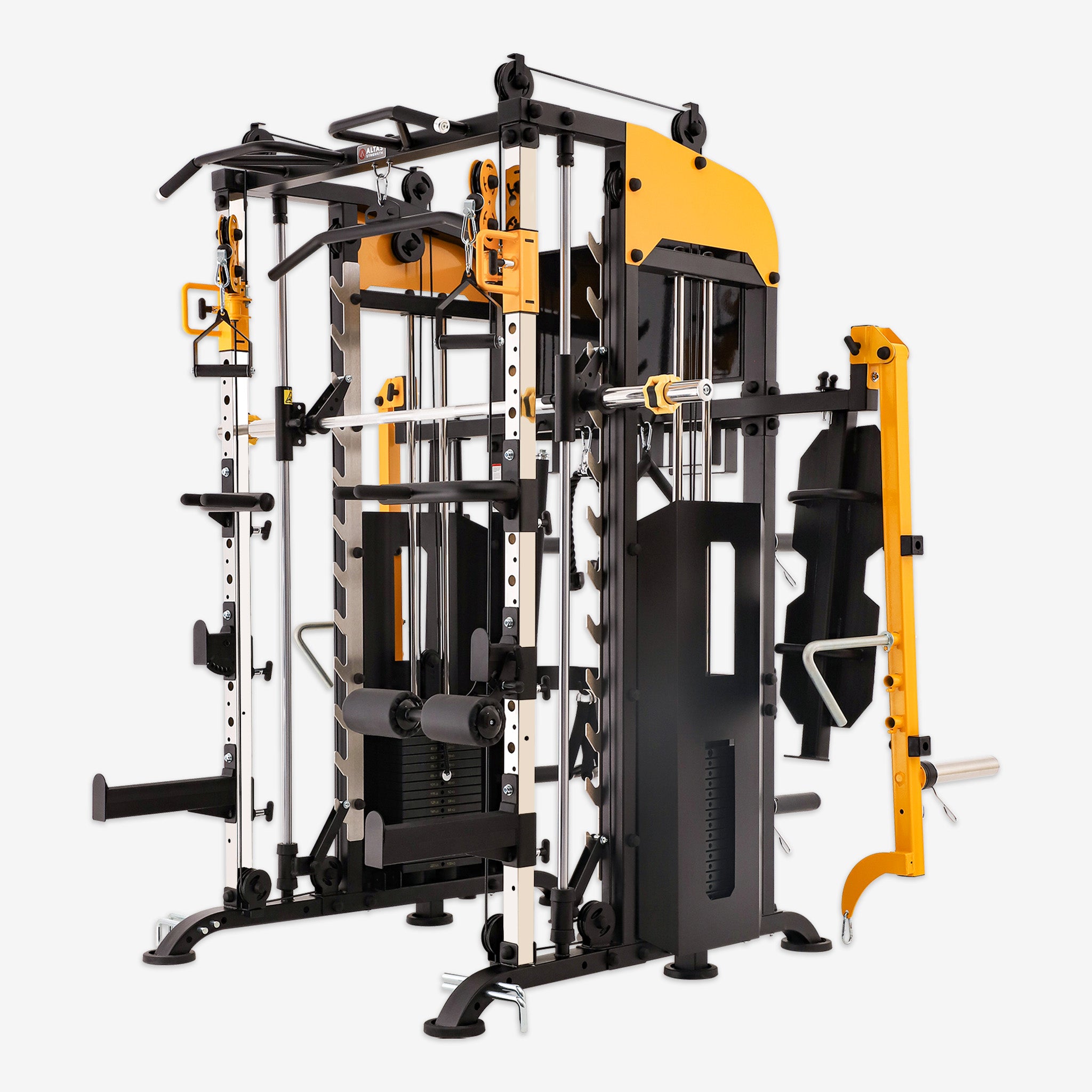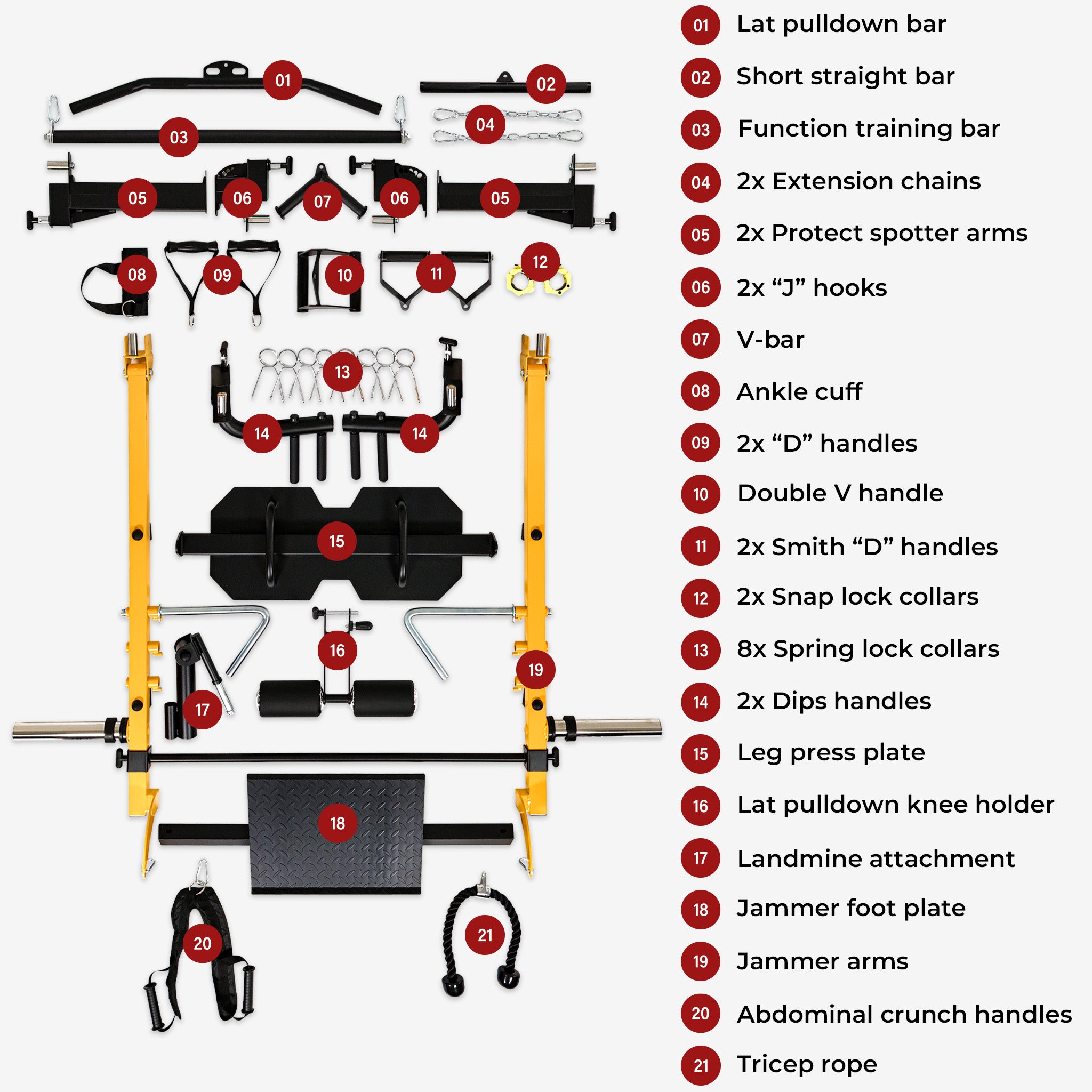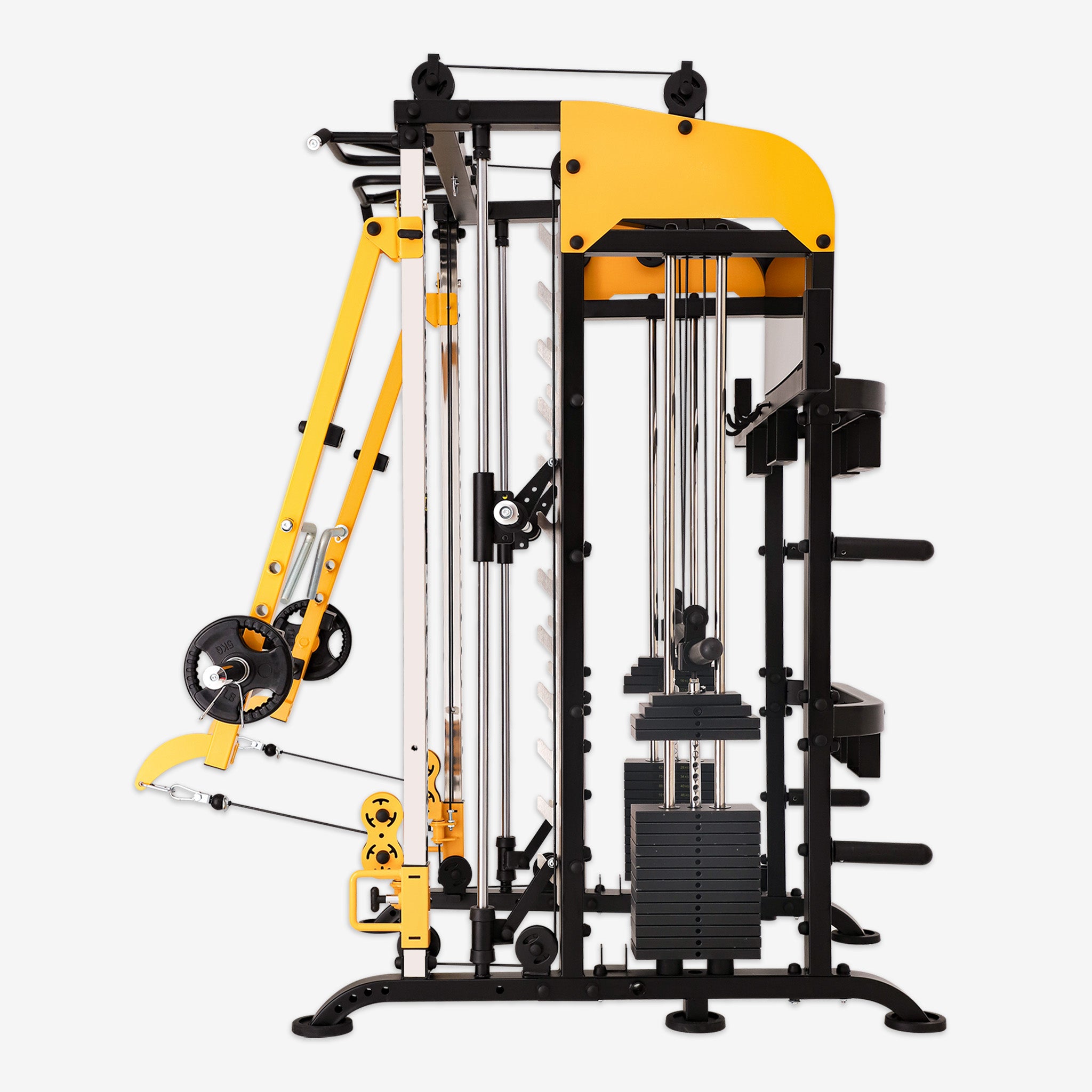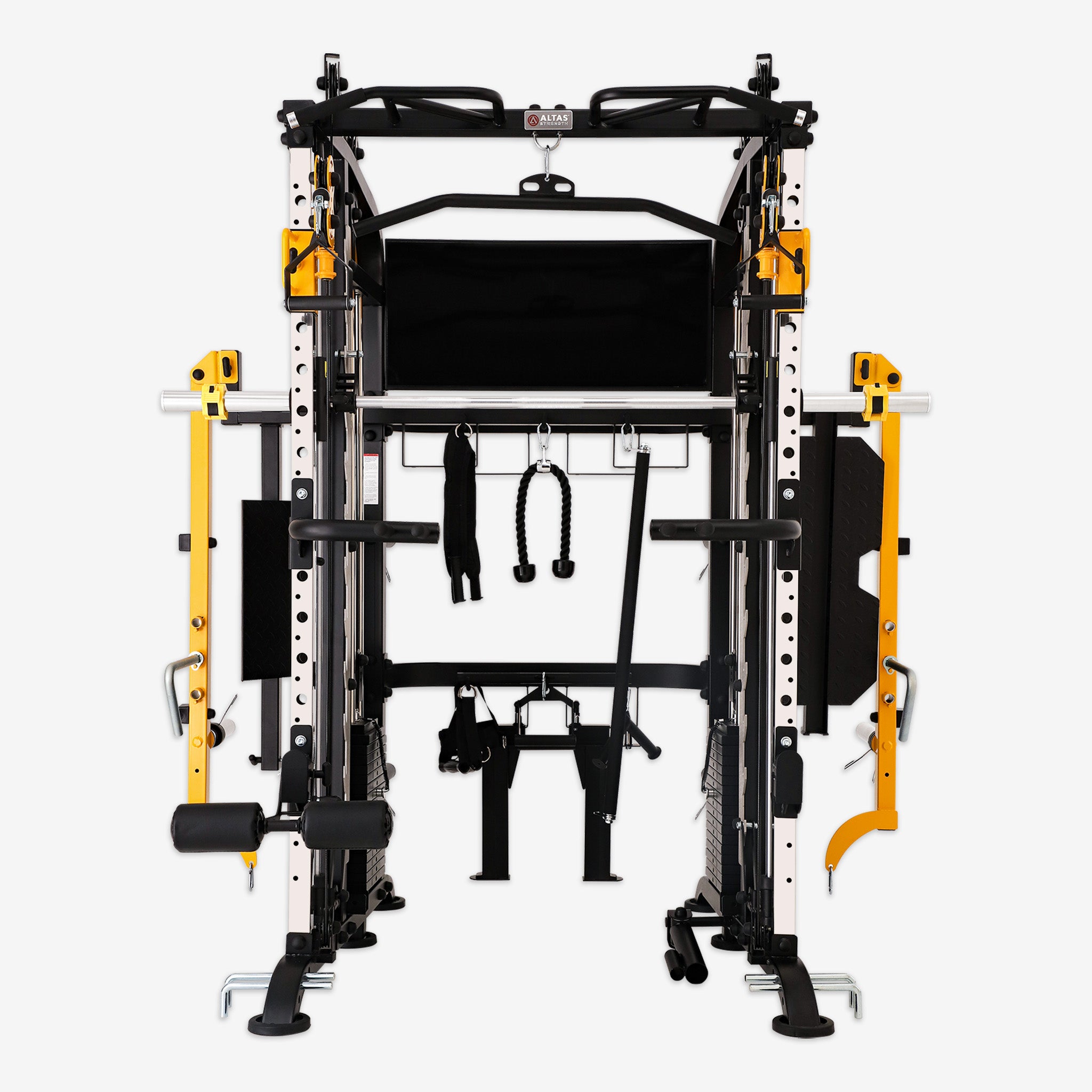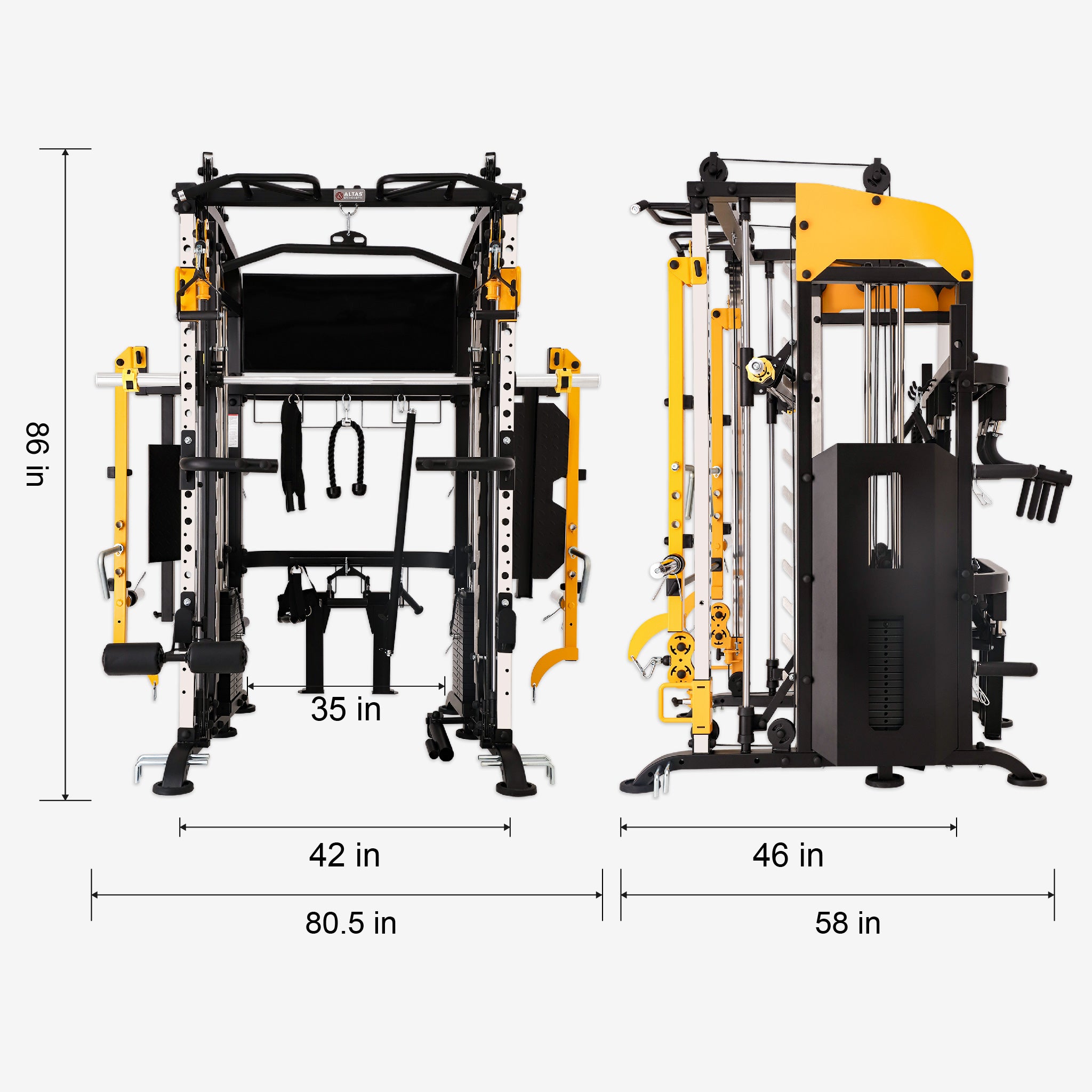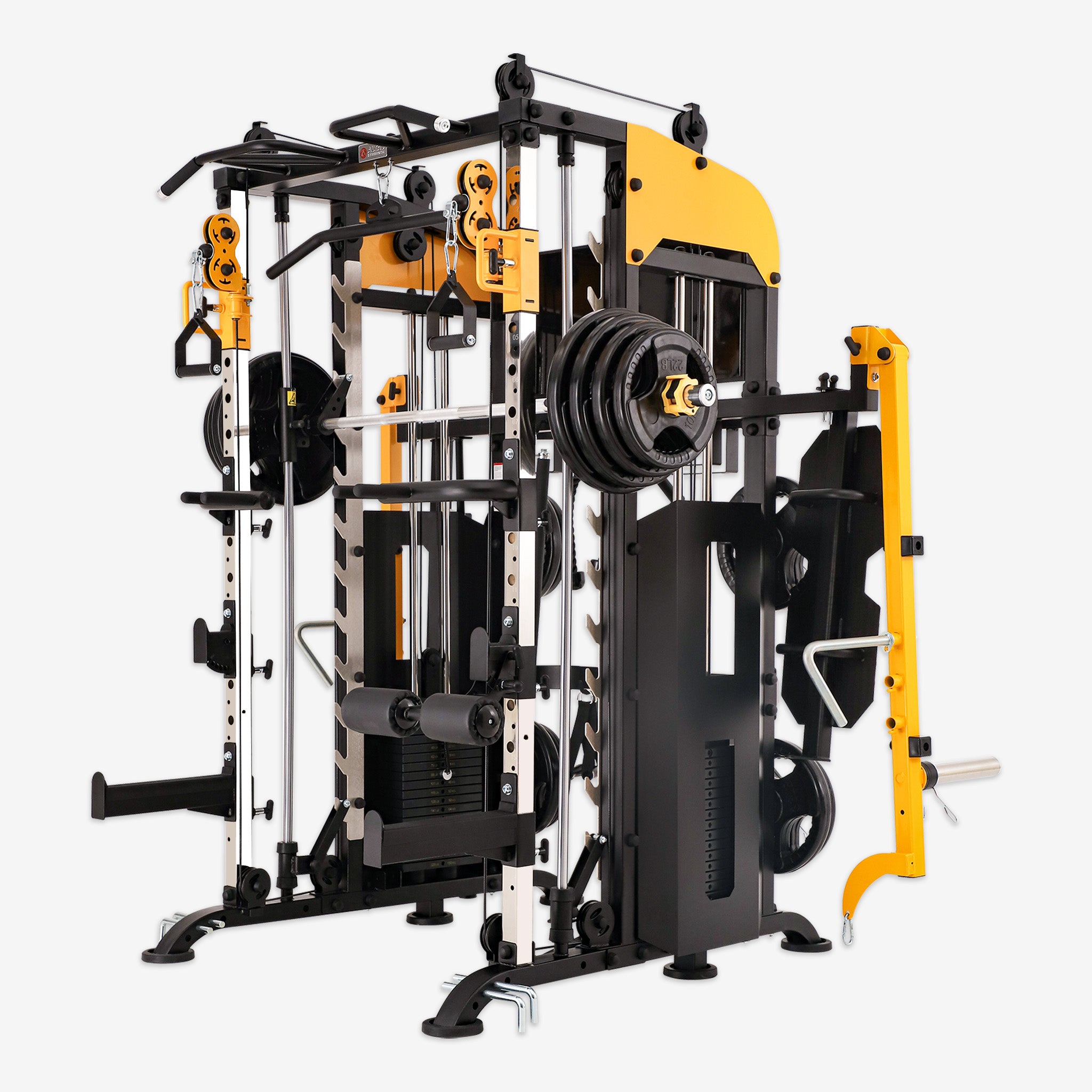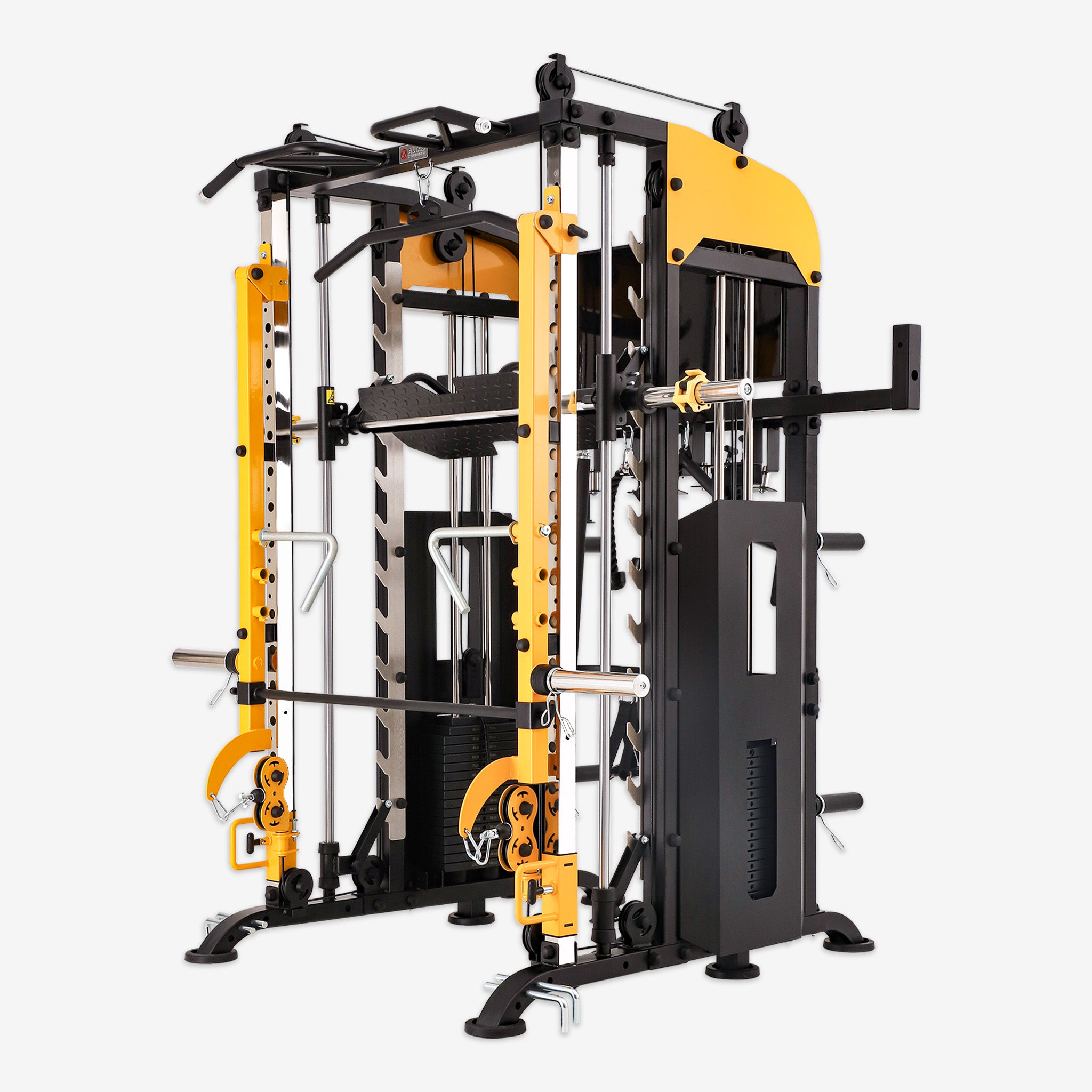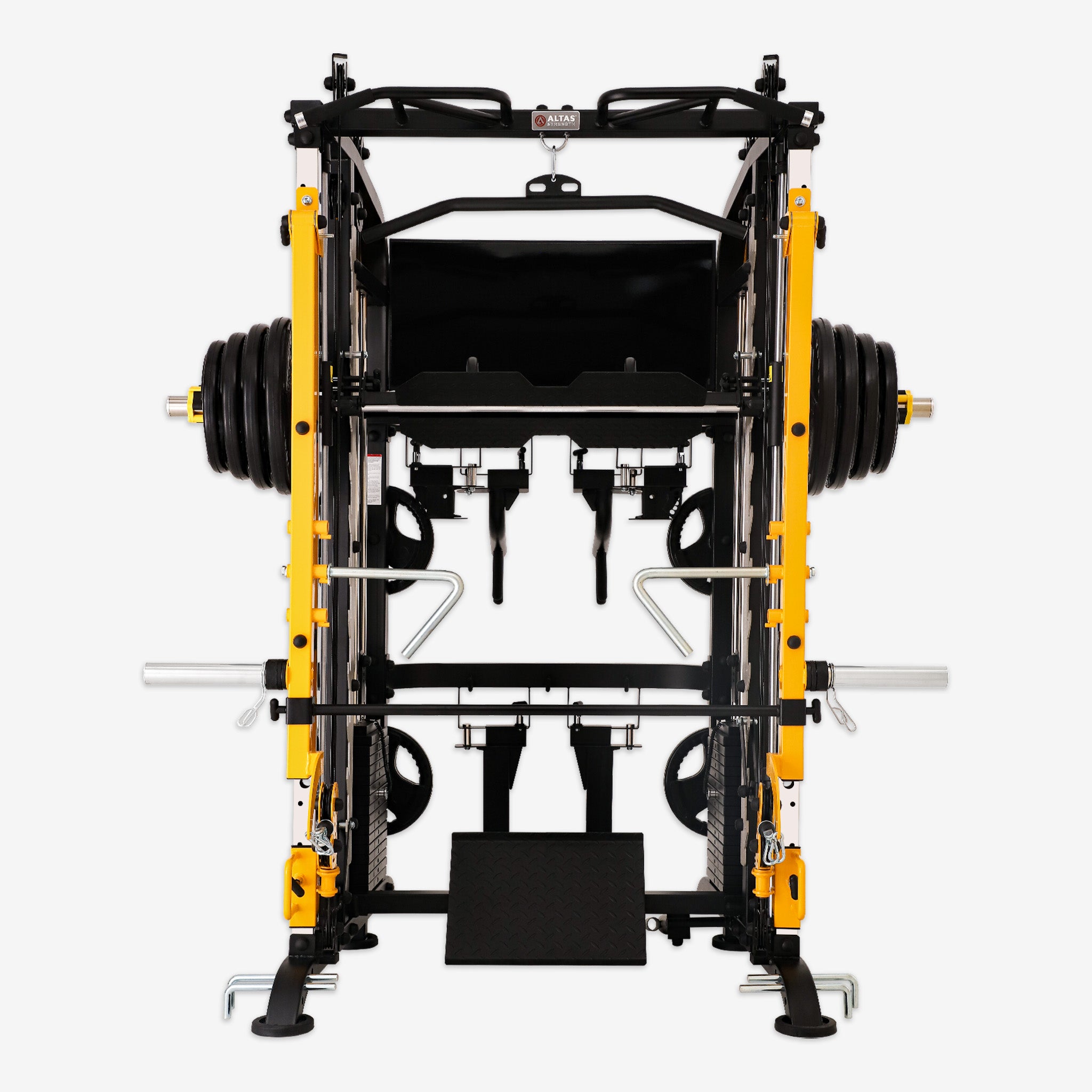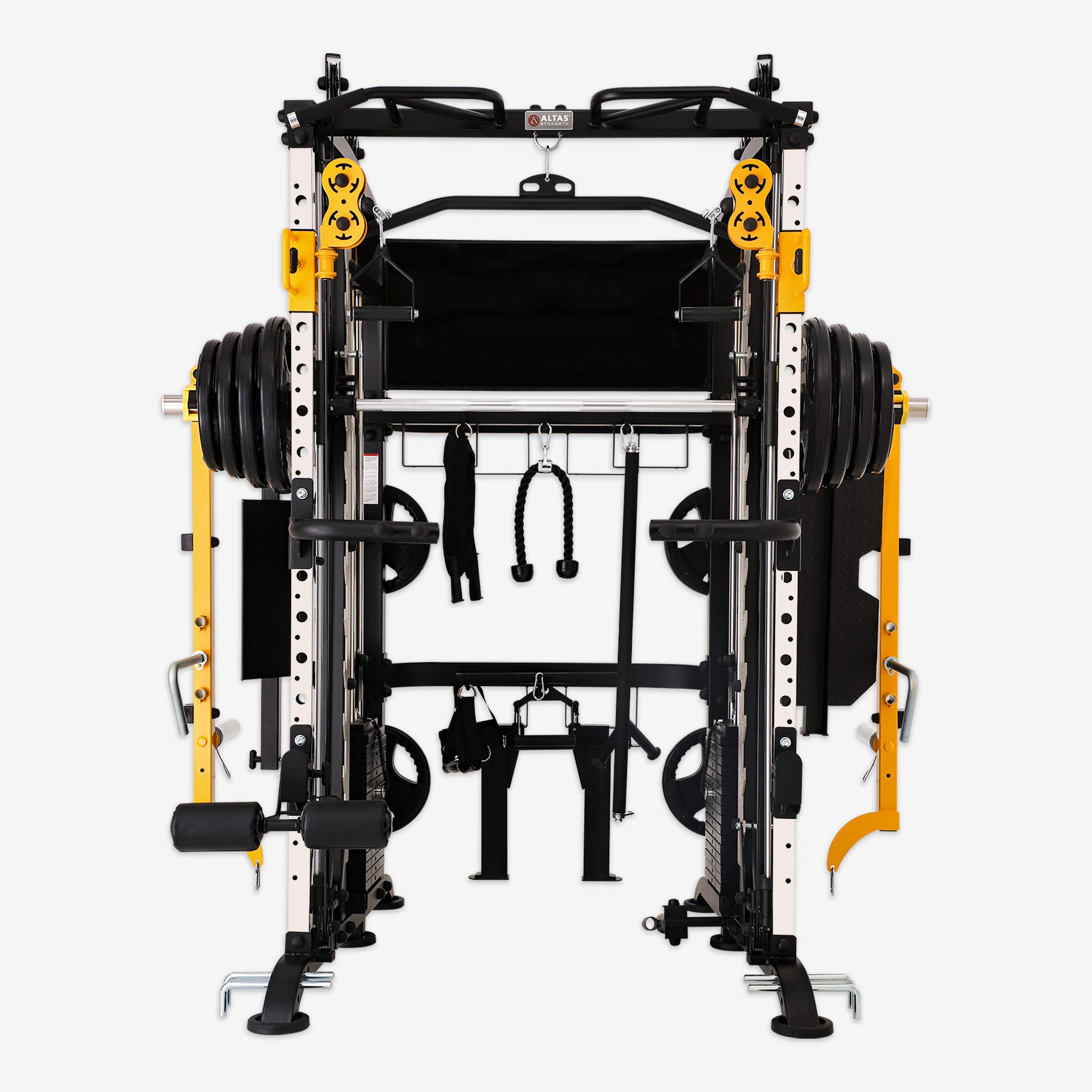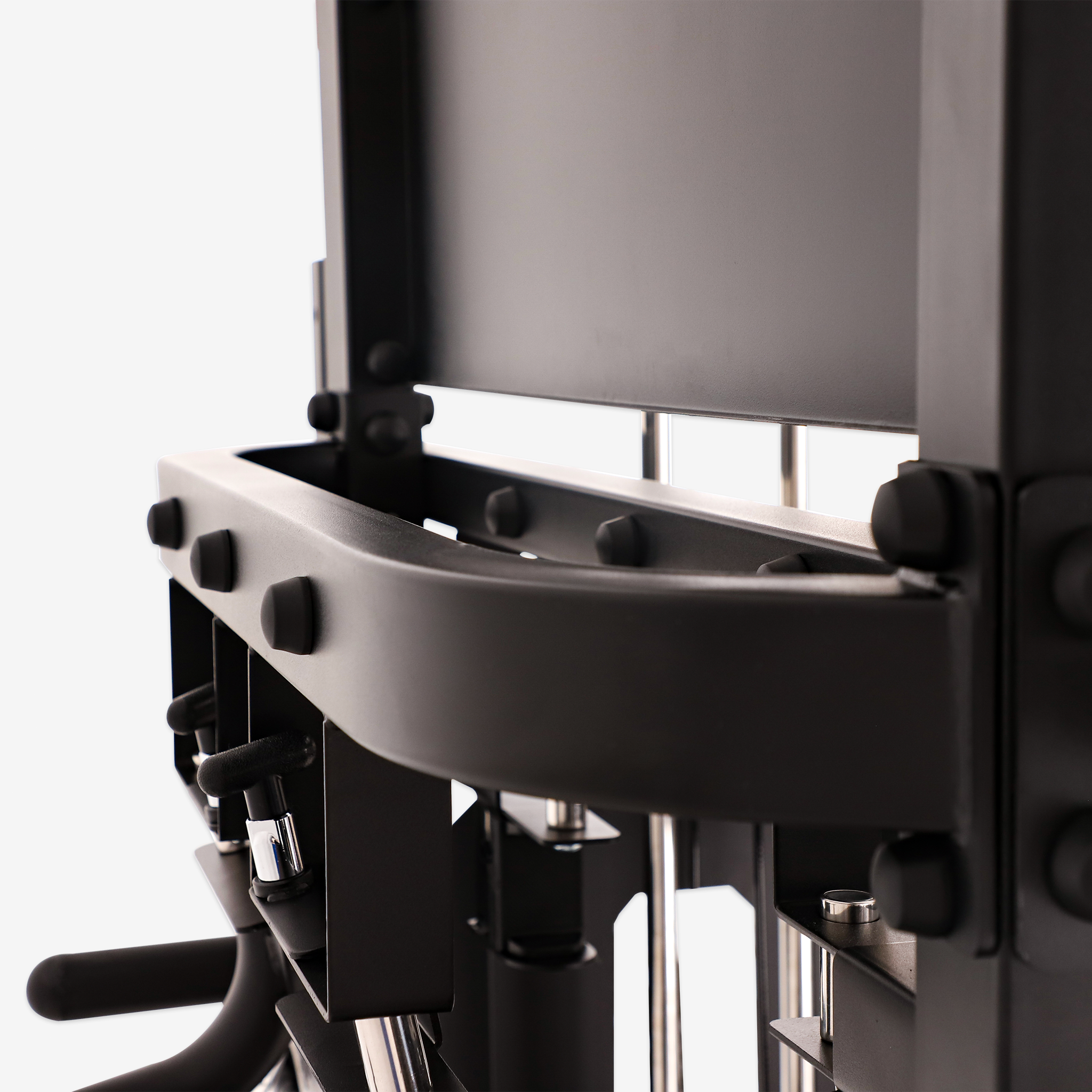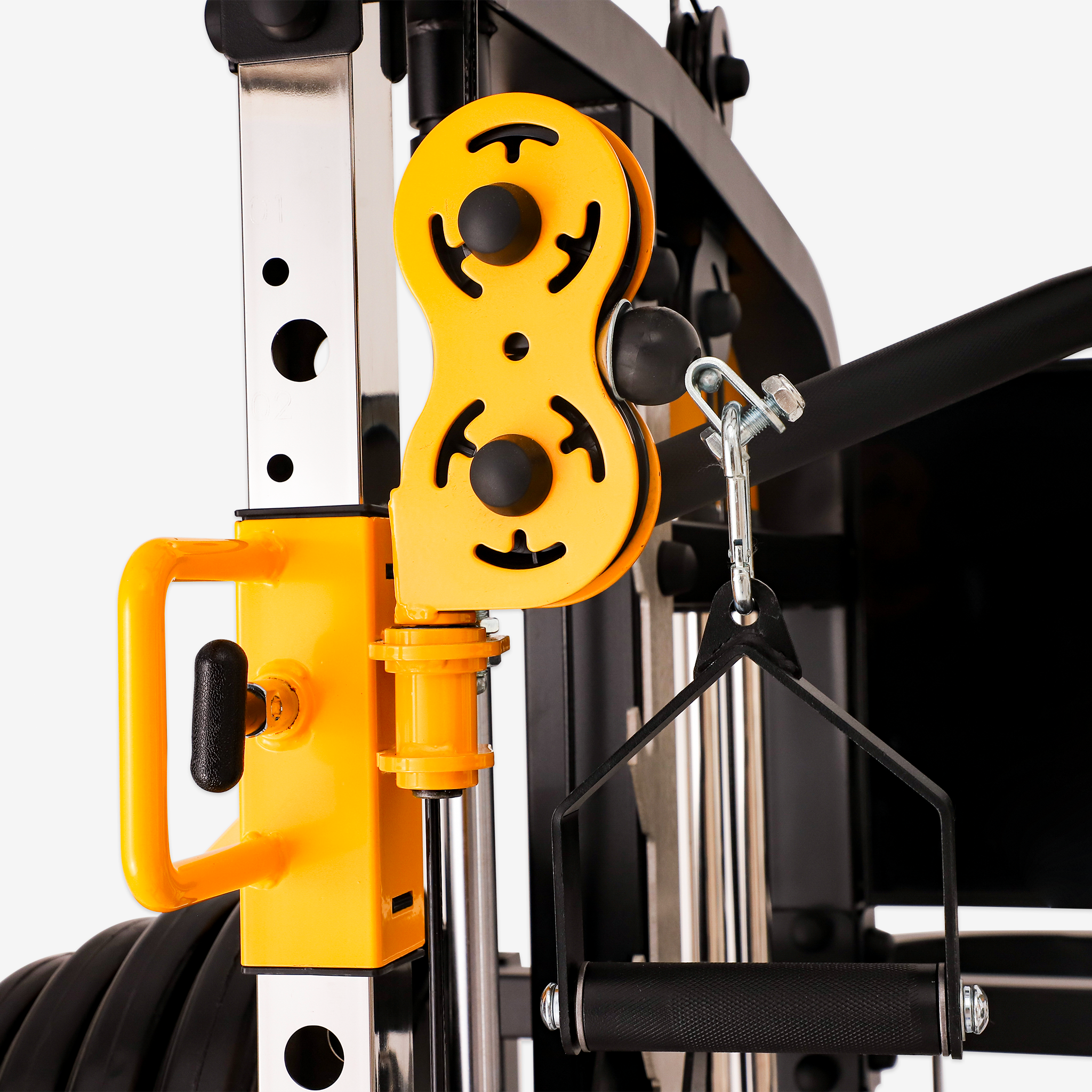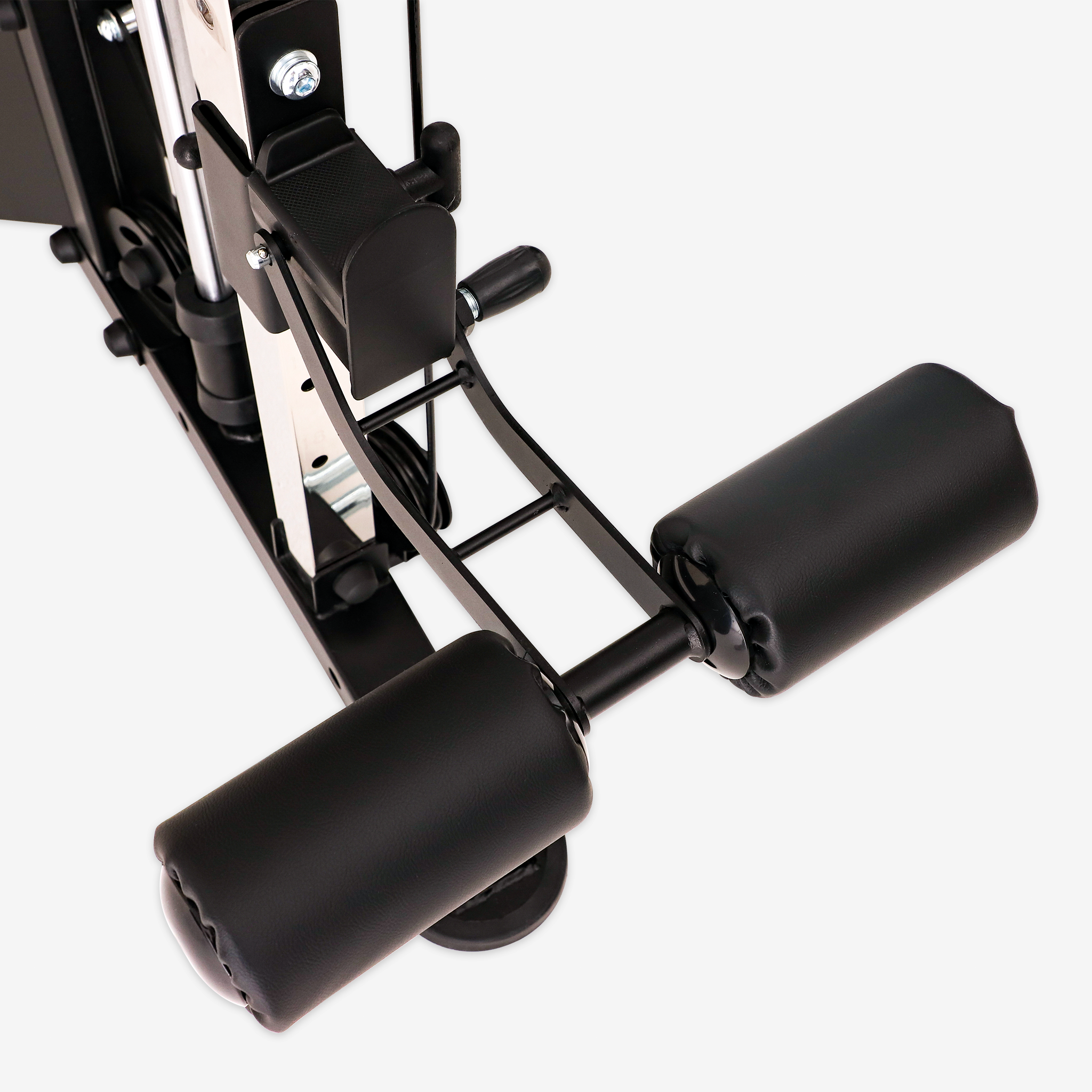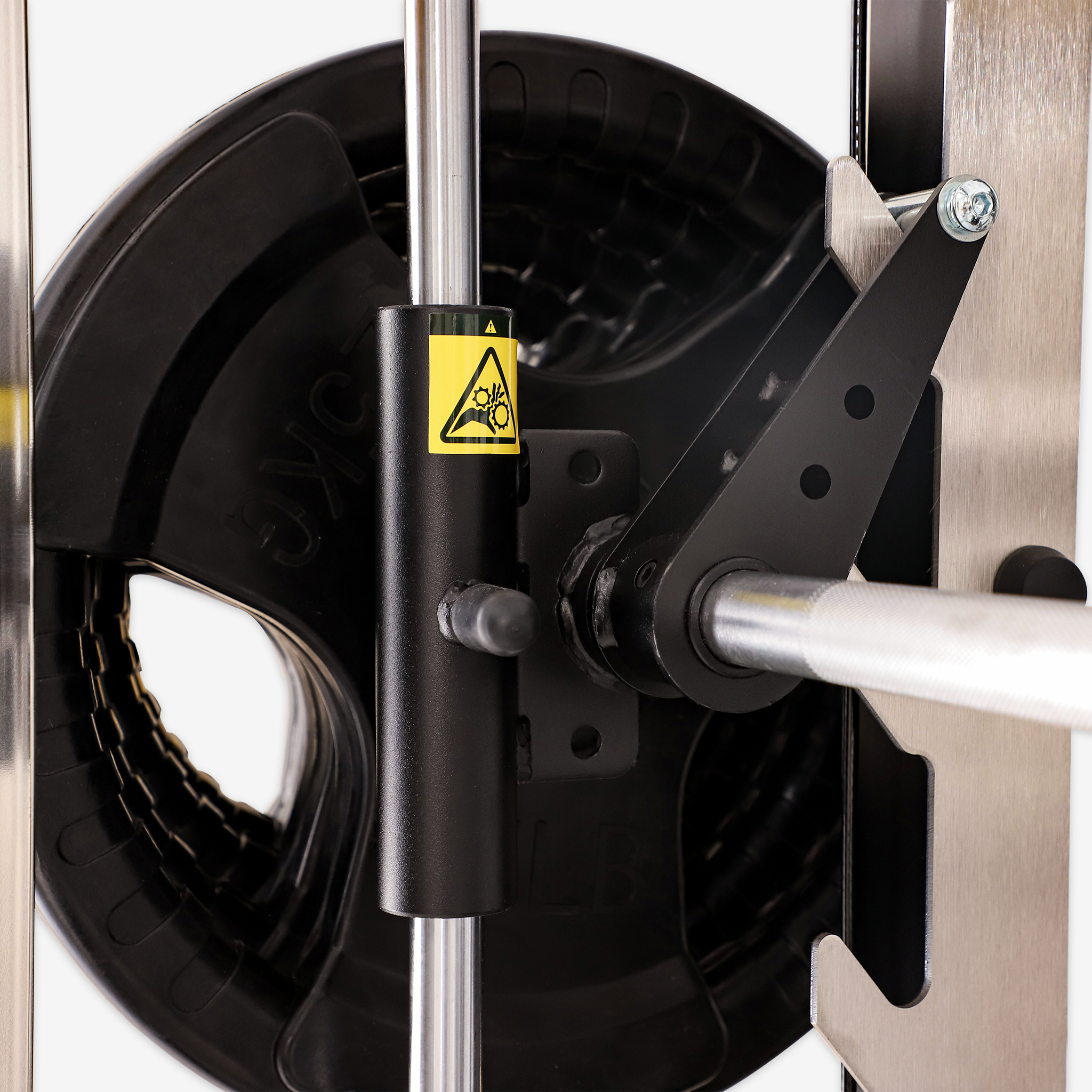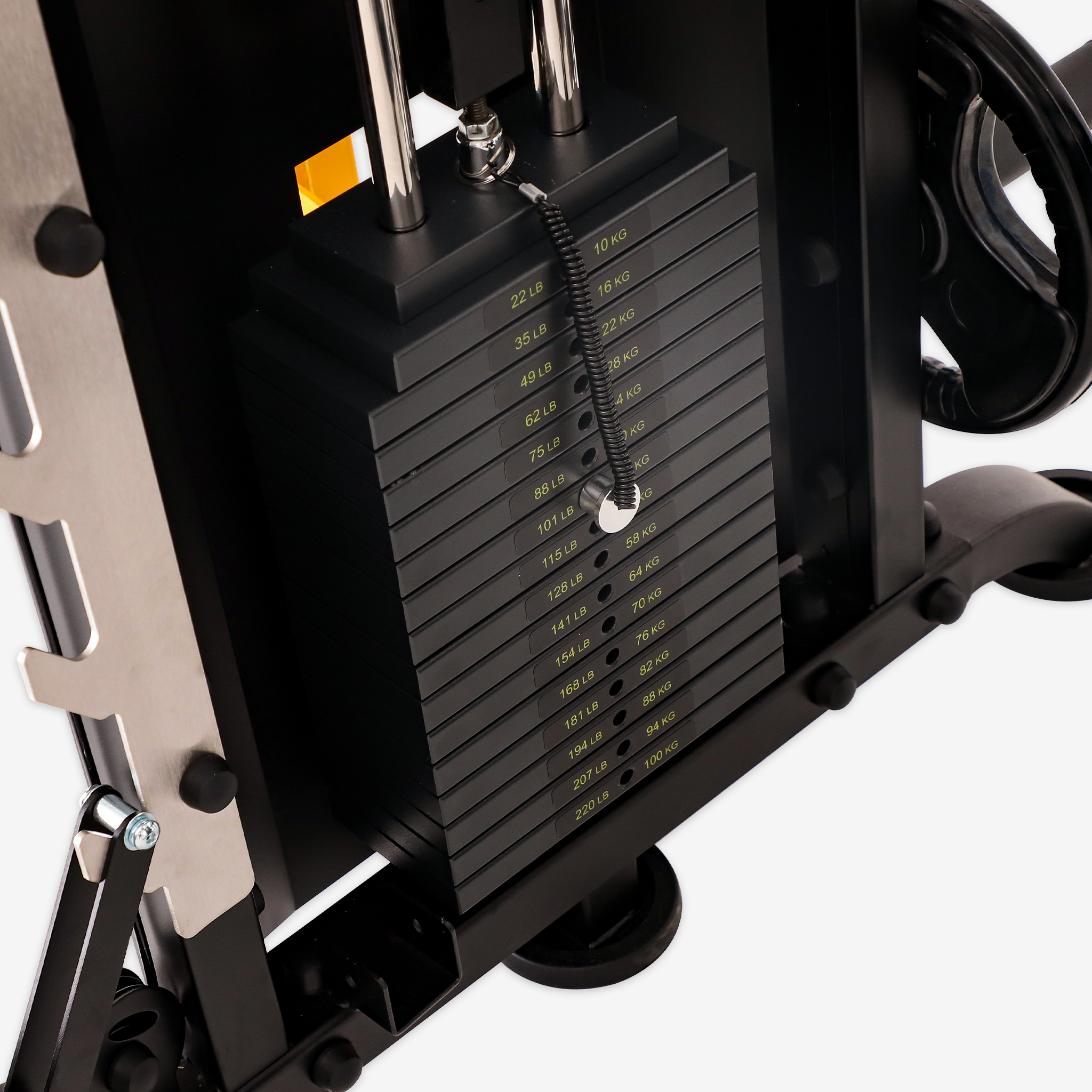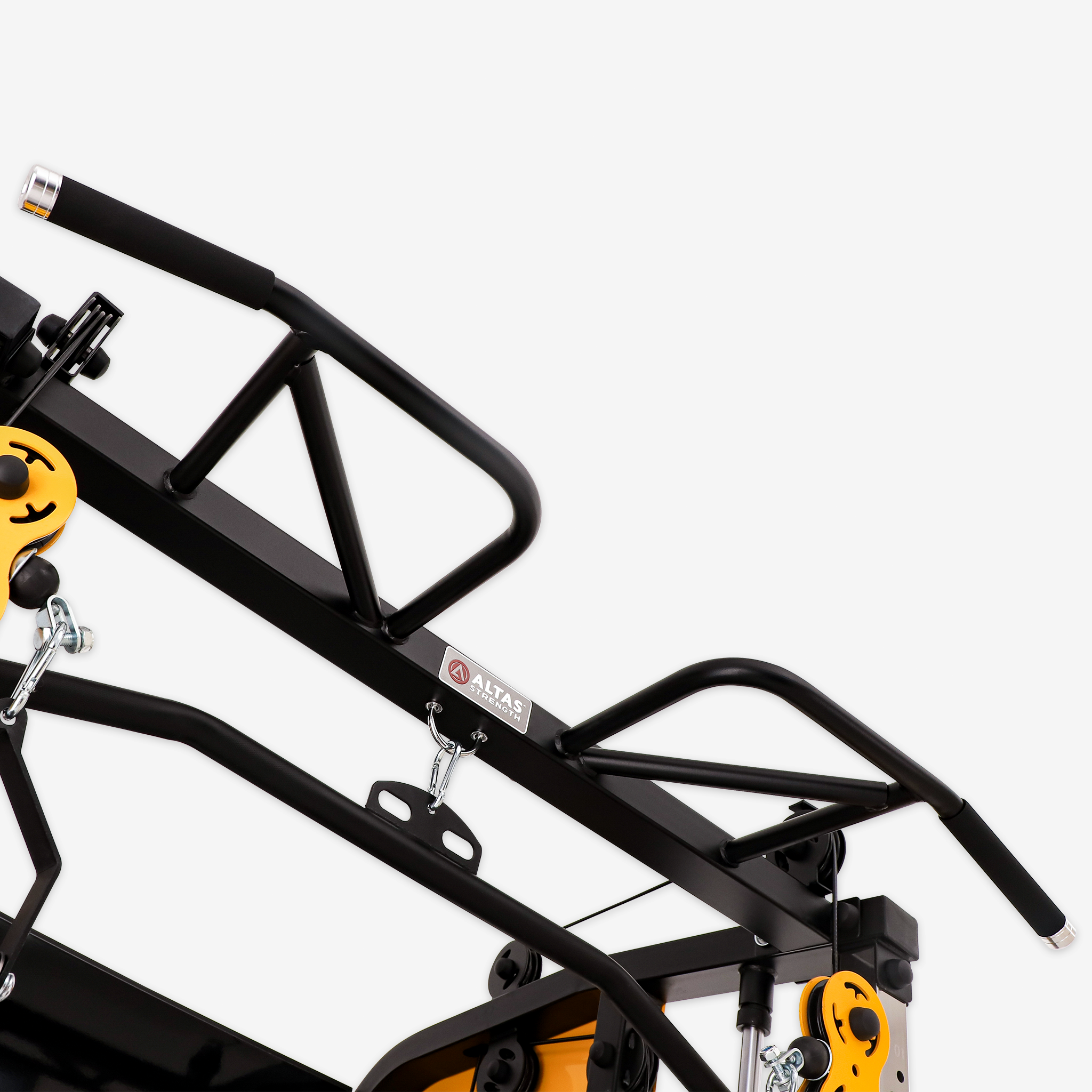
Walk into almost any gym and you will likely see a Smith machine. With its fixed bar path and built-in safety hooks, it’s one of the most popular pieces of strength-training equipment for beginners learning proper form, intermediate lifters building muscle, and experienced athletes adding variety to their workouts.
But many gym-goers eventually ask the same question: how heavy is a Smith machine bar?
Unlike a standard Olympic barbell—which typically weighs 45 pounds (20.4 kg)—the bar on a Smith machine does not have a universal weight. The actual weight depends on the machine’s design, brand, and whether it uses a counterbalance system. Understanding the real weight is important for calculating your total load, tracking progress, and training safely.
Quick Answer: Smith Machine Bar Weight
Most Smith machine bars weigh between 15 and 25 pounds (7–11 kg).
However, depending on the equipment, the weight can range from as light as 6 pounds to as heavy as 45 pounds.
Typical ranges include:
| Smith Machine Type | Typical Bar Weight |
|---|---|
| Lightweight / rehab machines | 6–15 lb |
| Standard commercial gym machines | 15–25 lb |
| Heavy-duty strength machines | 25–45 lb |
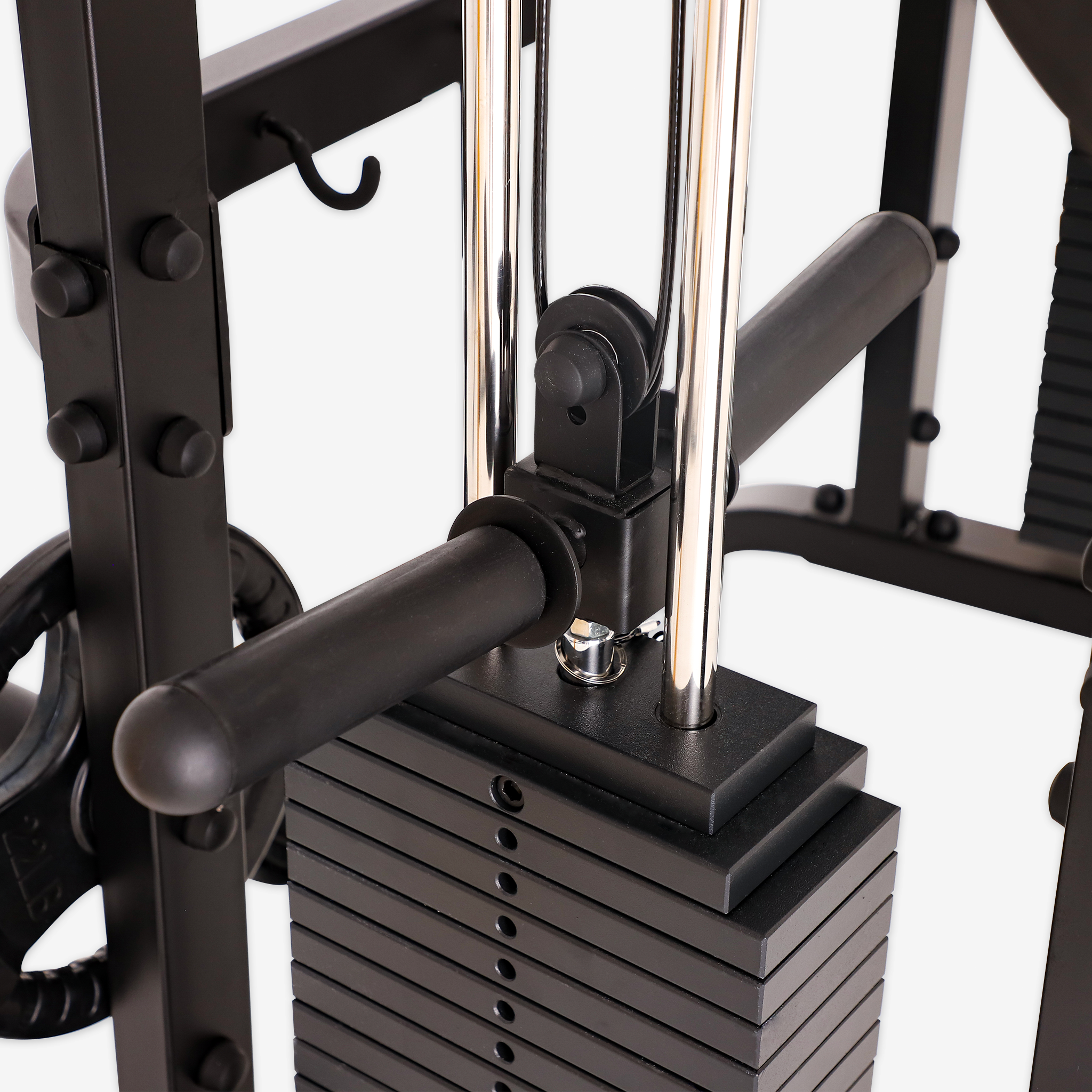
Most modern machines include a counterbalance system, which makes the bar feel lighter than its actual weight.
Why Smith Machine Bar Weights Vary
There is no single answer to how heavy a Smith machine bar is because different machines are designed for different users and training environments.
Two main factors influence the weight.
Counterbalance System
Most modern Smith machines include an internal counterweight mechanism.
This system offsets part of the bar’s weight so that it feels lighter when lifted. For example:
-
A 20-pound bar may feel like 10–15 pounds
-
The counterweight reduces joint strain
-
Beginners can focus on form rather than stabilizing the bar
However, the counterbalance does not eliminate the weight entirely, which is why knowing the actual bar weight still matters.
Machine Design and Intended Use
Smith machines are manufactured for a wide variety of environments, including:
-
Home gyms
-
Commercial fitness centers
-
Rehabilitation facilities
-
Strength-training gyms
Each environment may use a different bar weight.
Home gym machines often use lighter bars for accessibility, while strength-training gyms sometimes use heavier bars that provide a more realistic resistance similar to free weights.
Common Smith Machine Bar Weight Categories
Although models vary, most machines fall into three general categories.
Lightweight Smith Machine Bars
These bars are commonly found in:
-
Home gyms
-
Beginner-focused fitness centers
-
Rehabilitation equipment
They typically weigh 6–15 pounds.
This lighter resistance helps beginners learn movements like:
-
Squats
-
Bench presses
-
Lunges
without excessive strain.
Medium-Weight Smith Machine Bars
The most common Smith machine bars in commercial gyms weigh 15–20 pounds.
These machines are designed to support both beginners and intermediate lifters.
With added weight plates, they allow for progressive overload, which is essential for building muscle and strength.
Heavy Smith Machine Bars
Some strength-focused gyms use machines with bars weighing 25–45 pounds.
These machines are intended for experienced lifters performing compound movements such as:
-
Squats
-
Shoulder presses
-
Incline bench presses
The heavier starting weight creates a more challenging baseline load.
How to Find the Exact Smith Machine Bar Weight at Your Gym
If you want to know exactly how heavy the Smith machine bar is in your gym, there are several easy methods.
1. Check the Machine Label
Many Smith machines include a label or sticker on the frame that lists:
-
bar weight
-
model number
-
manufacturer specifications
Look near the bar guide rails or weight plate area.
2. Use a Scale
If the machine doesn’t list the weight, you can measure it directly.
Basic steps:
-
Place a gym scale under the bar.
-
Lower the empty bar slowly onto the scale.
-
Record the measurement.
Always follow gym rules before attempting this.
3. Ask Gym Staff or Trainers
Gym staff usually know the specifications of their equipment.
Asking a trainer or front desk employee is often the quickest way to find the correct bar weight.
Training Tips Based on Smith Machine Bar Weight
Once you know the bar weight, you can structure your training more effectively.
Tips for Beginners
Start with the empty Smith machine bar and focus on perfecting your technique.
Practice fundamental movements such as:
-
squats
-
bench presses
-
shoulder presses
Mastering form before adding plates helps reduce injury risk.
Tips for Intermediate Lifters
Intermediate lifters can begin adding plates and applying progressive overload.
A typical guideline is increasing weight by 2.5–5 pounds per week, depending on your training program.
Tips for Advanced Lifters
Advanced lifters often combine Smith machine training with free weights.
This allows them to:
-
lift heavier with controlled movement paths
-
target specific muscle groups
-
maintain stabilizer muscle strength using barbells or dumbbells
Common Mistakes to Avoid
When using a Smith machine, avoid these common errors.
Assuming the Bar Weighs 45 Pounds
A Smith machine bar is usually much lighter than a standard Olympic barbell, so assuming a 45-lb weight can lead to incorrect training calculations.
Ignoring the Counterbalance System
Because the counterbalance makes the bar feel lighter, some lifters underestimate the true weight.
Always calculate your total load (bar + plates).
Skipping Warm-Ups
Even with a light bar, proper warm-ups are essential.
Spend 5–10 minutes warming up with mobility exercises or light sets before lifting heavier weights.
Final Thoughts
So, how heavy is a Smith machine bar?
Most Smith machine bars weigh between 15 and 25 pounds, although the full range can vary from 6 to 45 pounds depending on the machine design.
Because there is no universal standard, it’s always a good idea to:
-
check the machine specifications
-
ask gym staff
-
or measure the bar weight yourself
Taking a few seconds to confirm the bar weight can help you track your workouts more accurately, train safely, and progress more efficiently toward your strength goals.