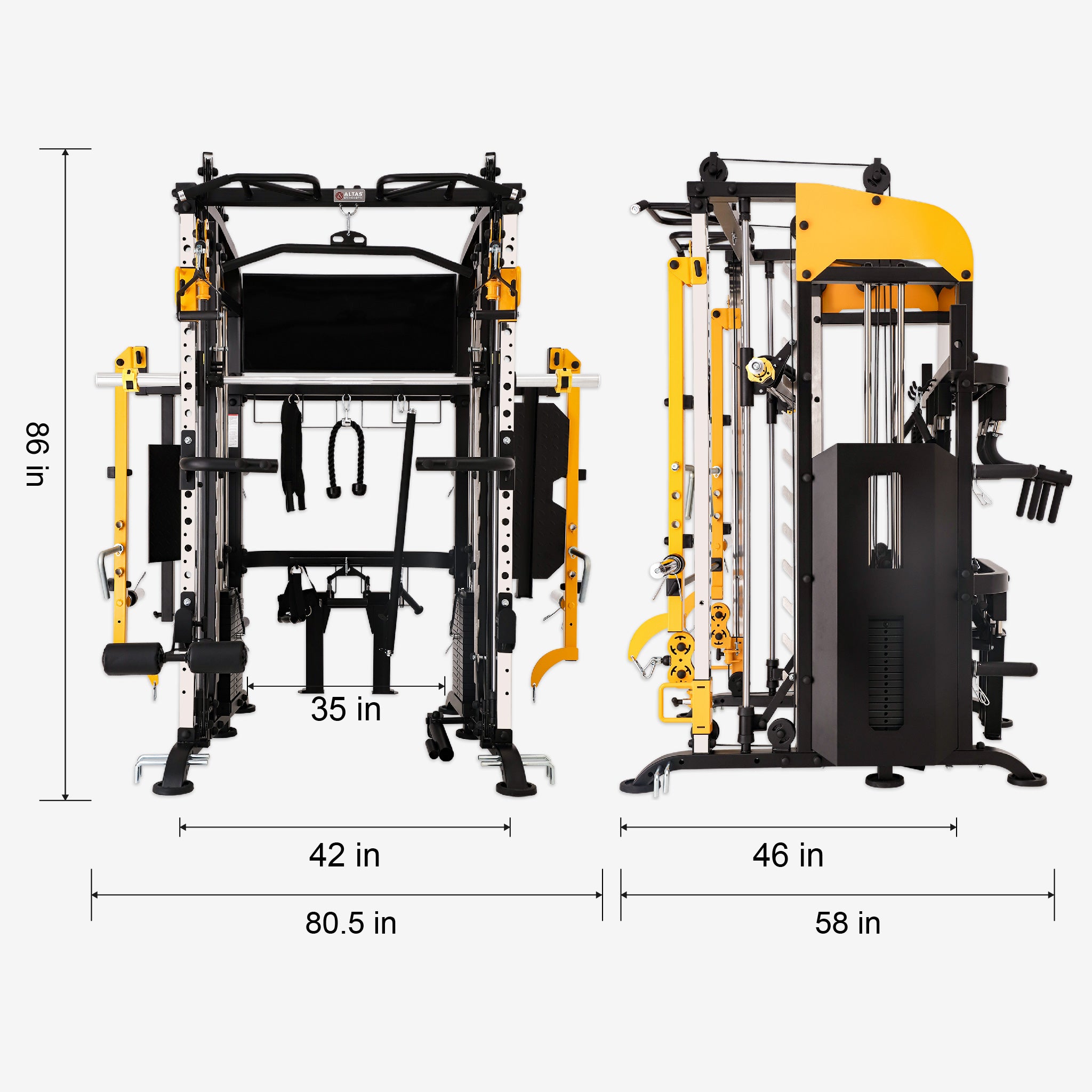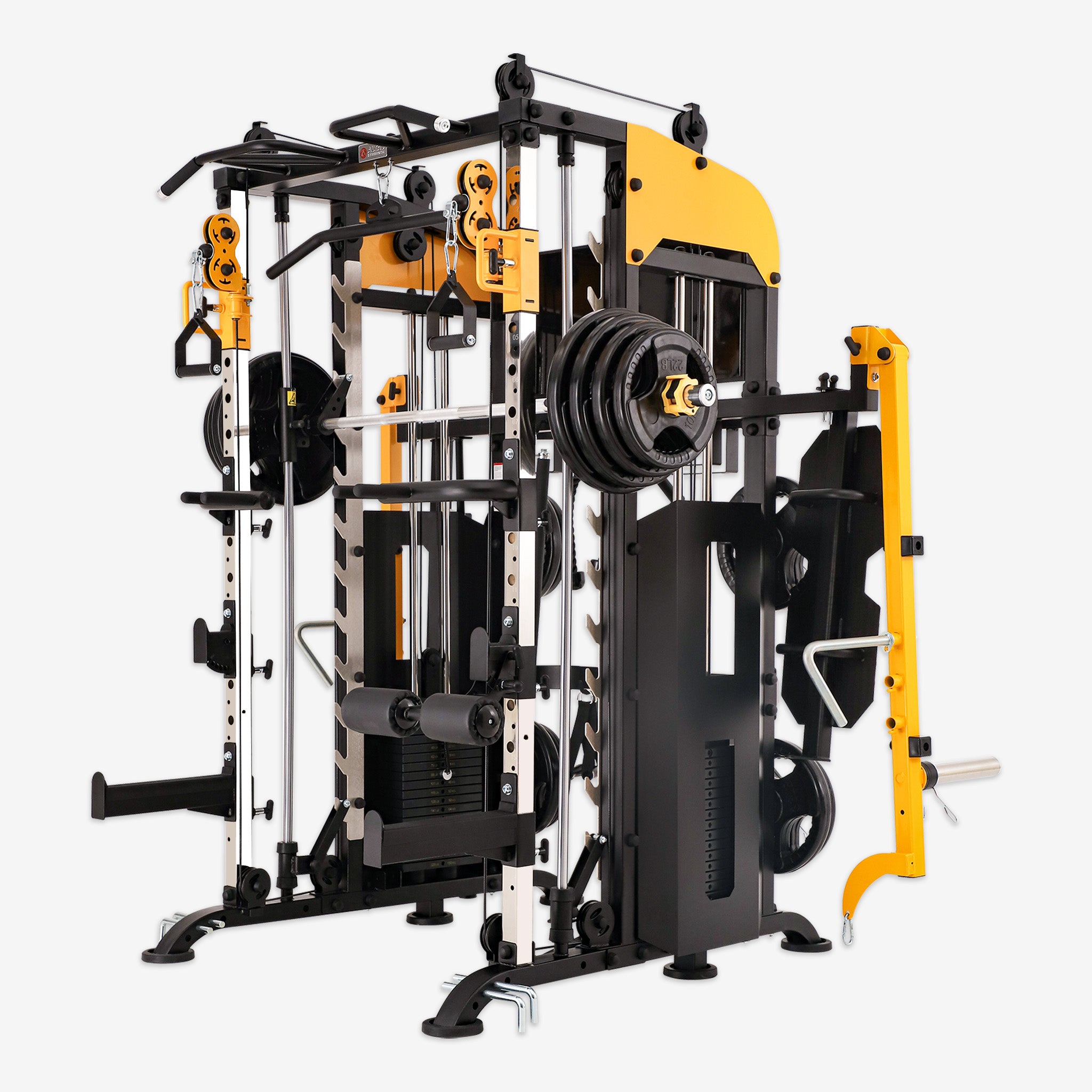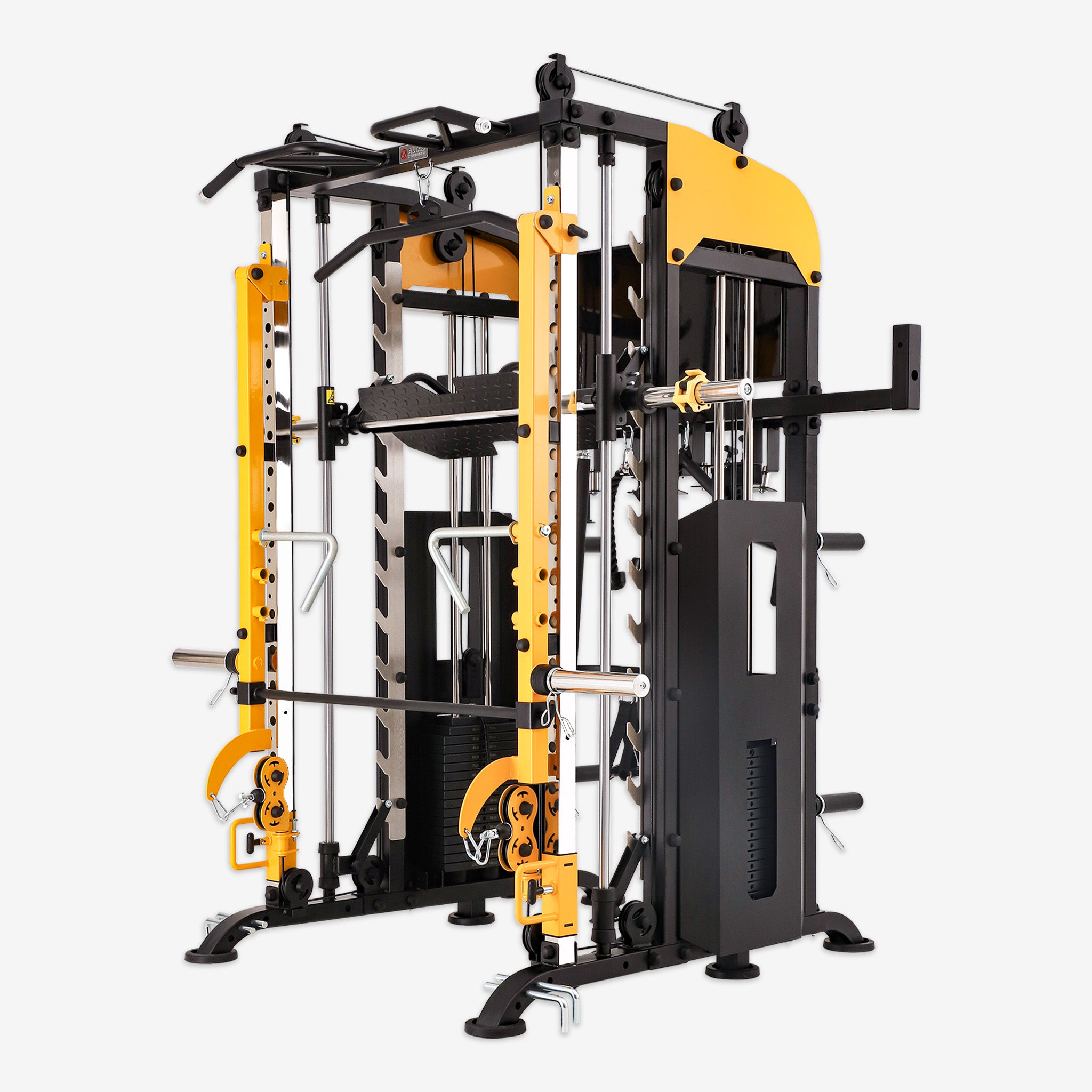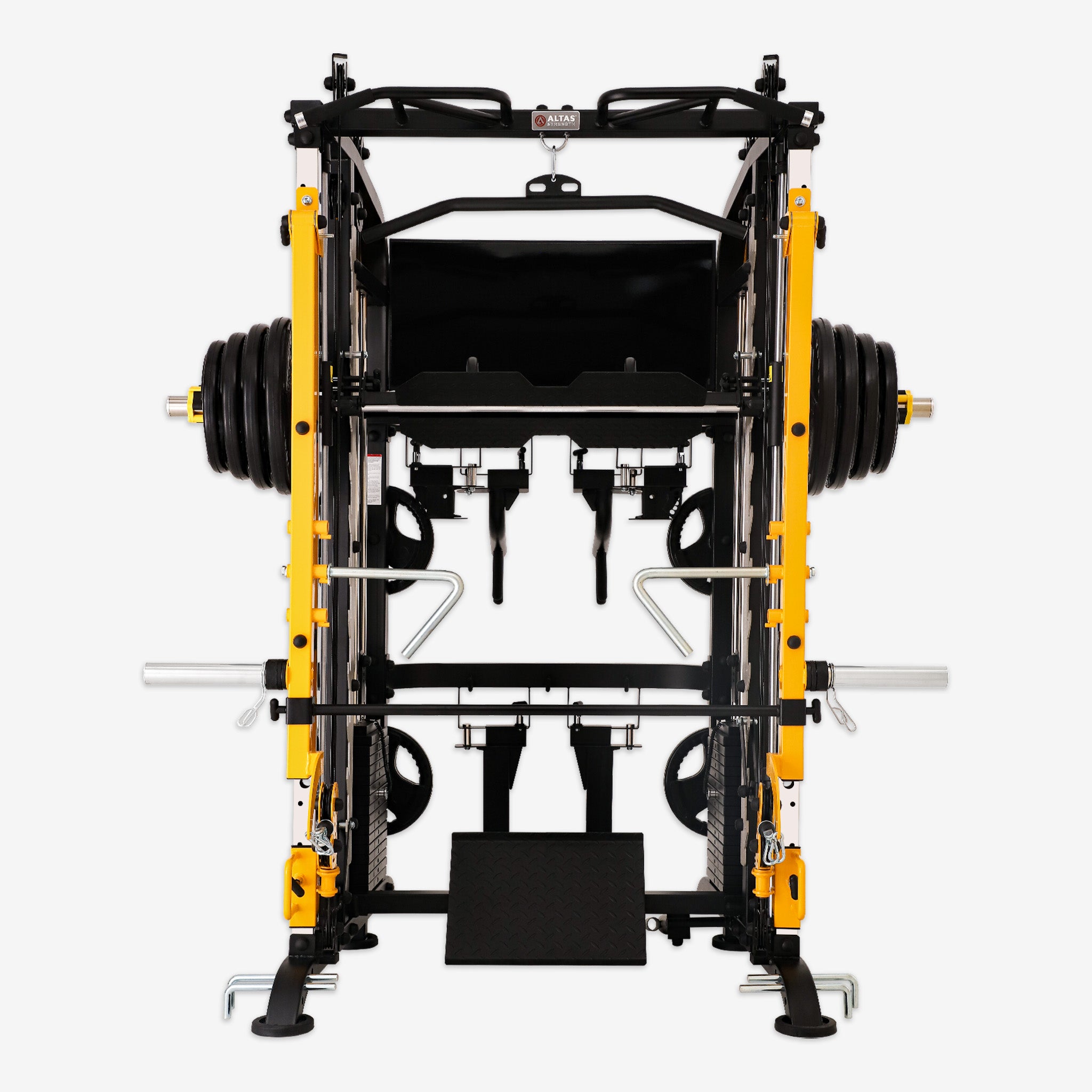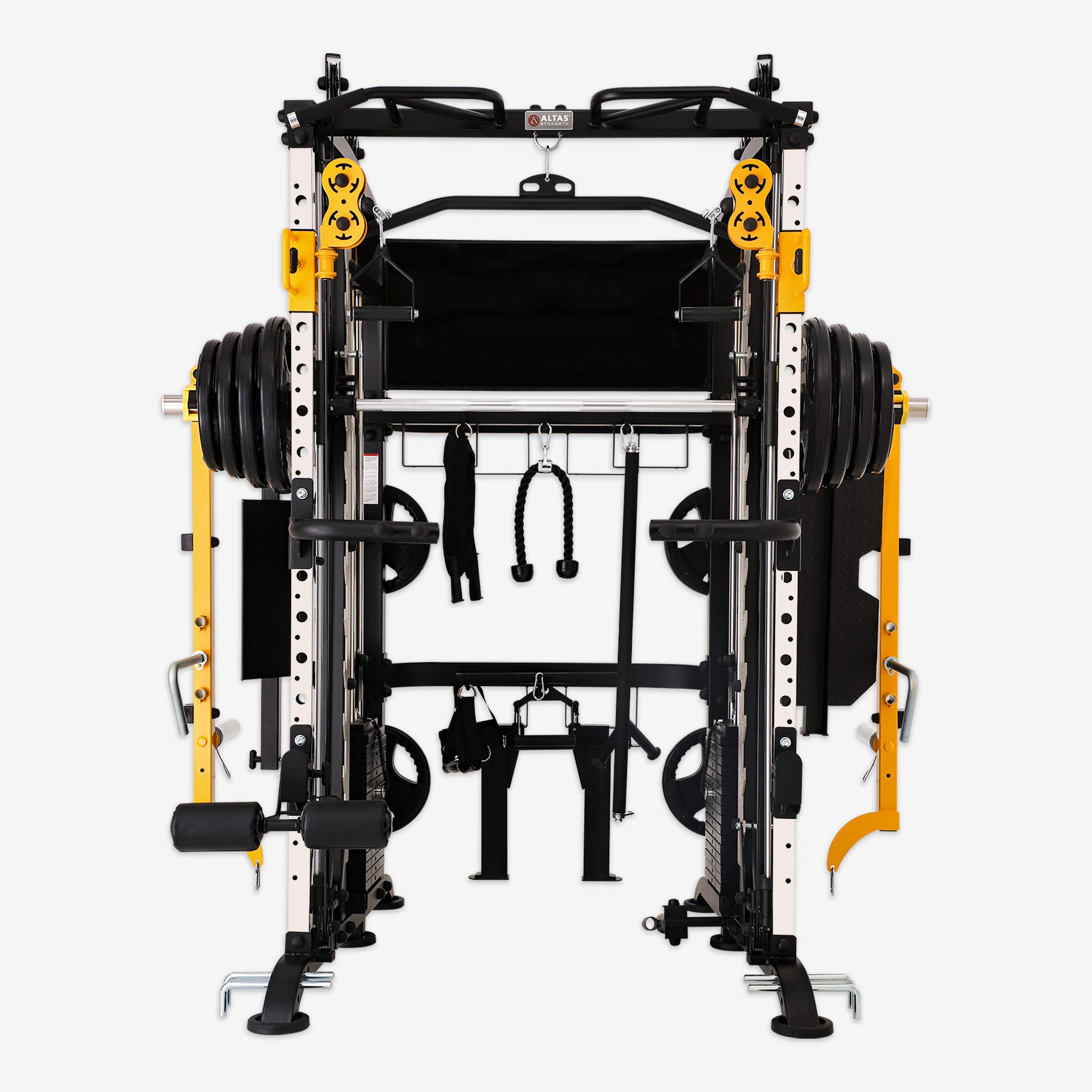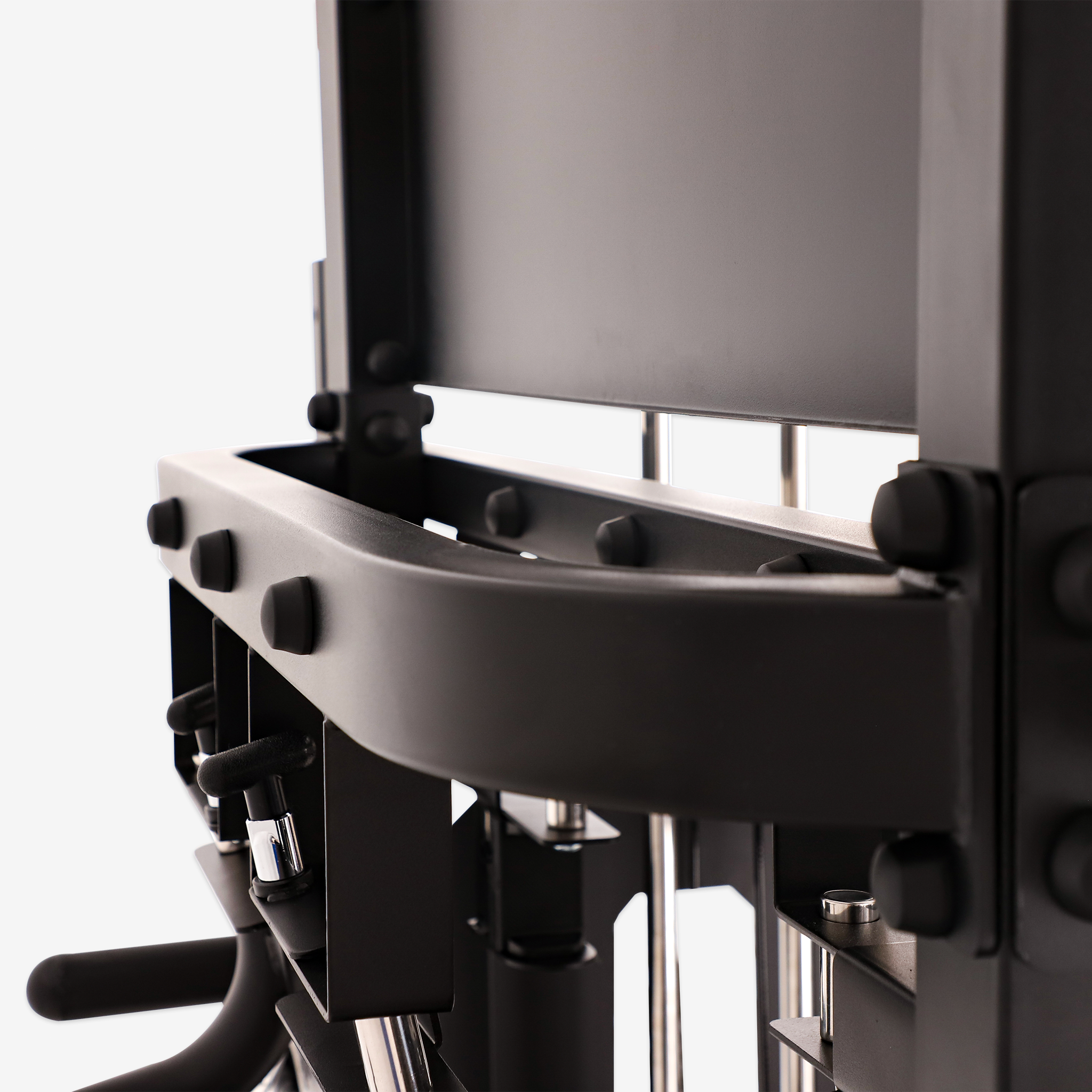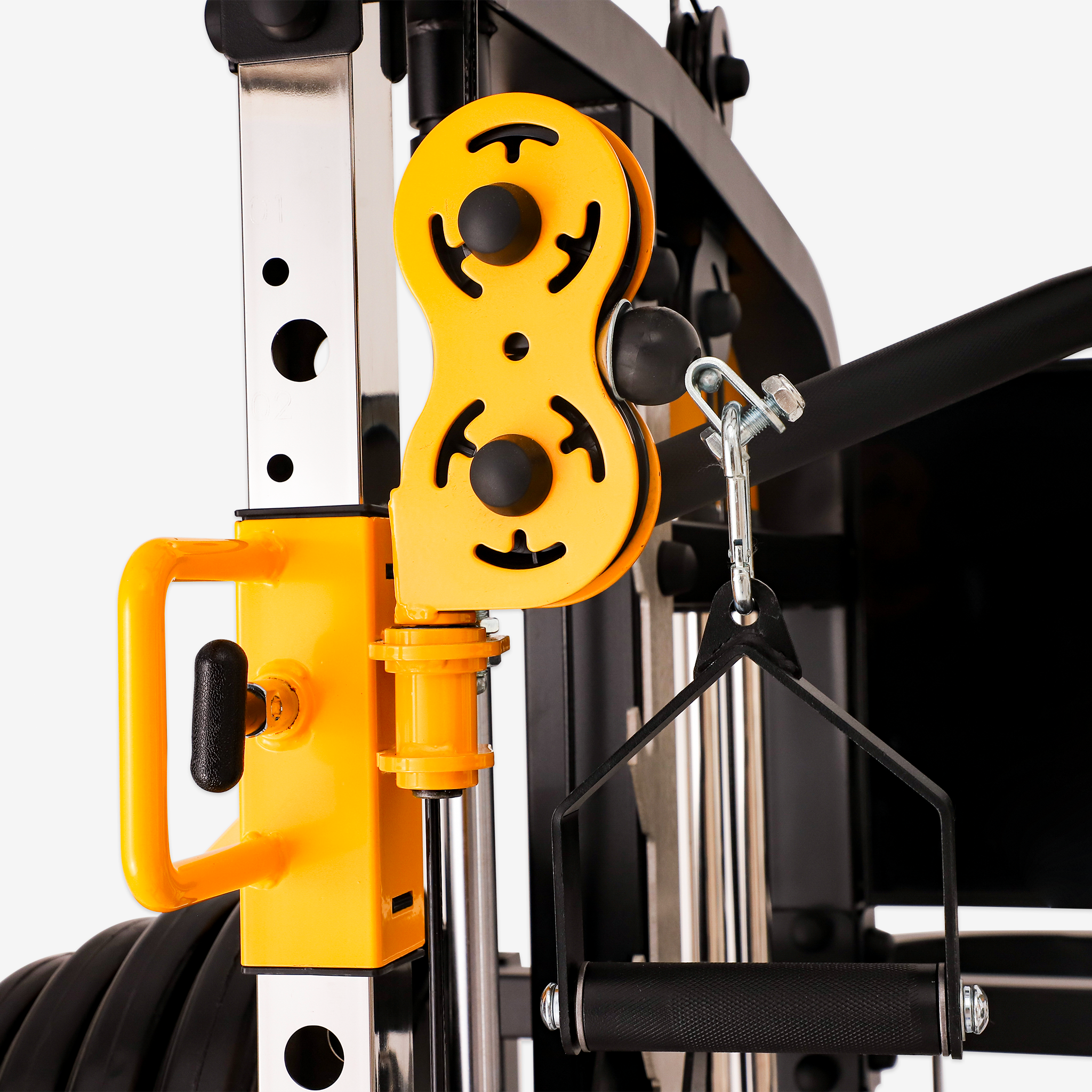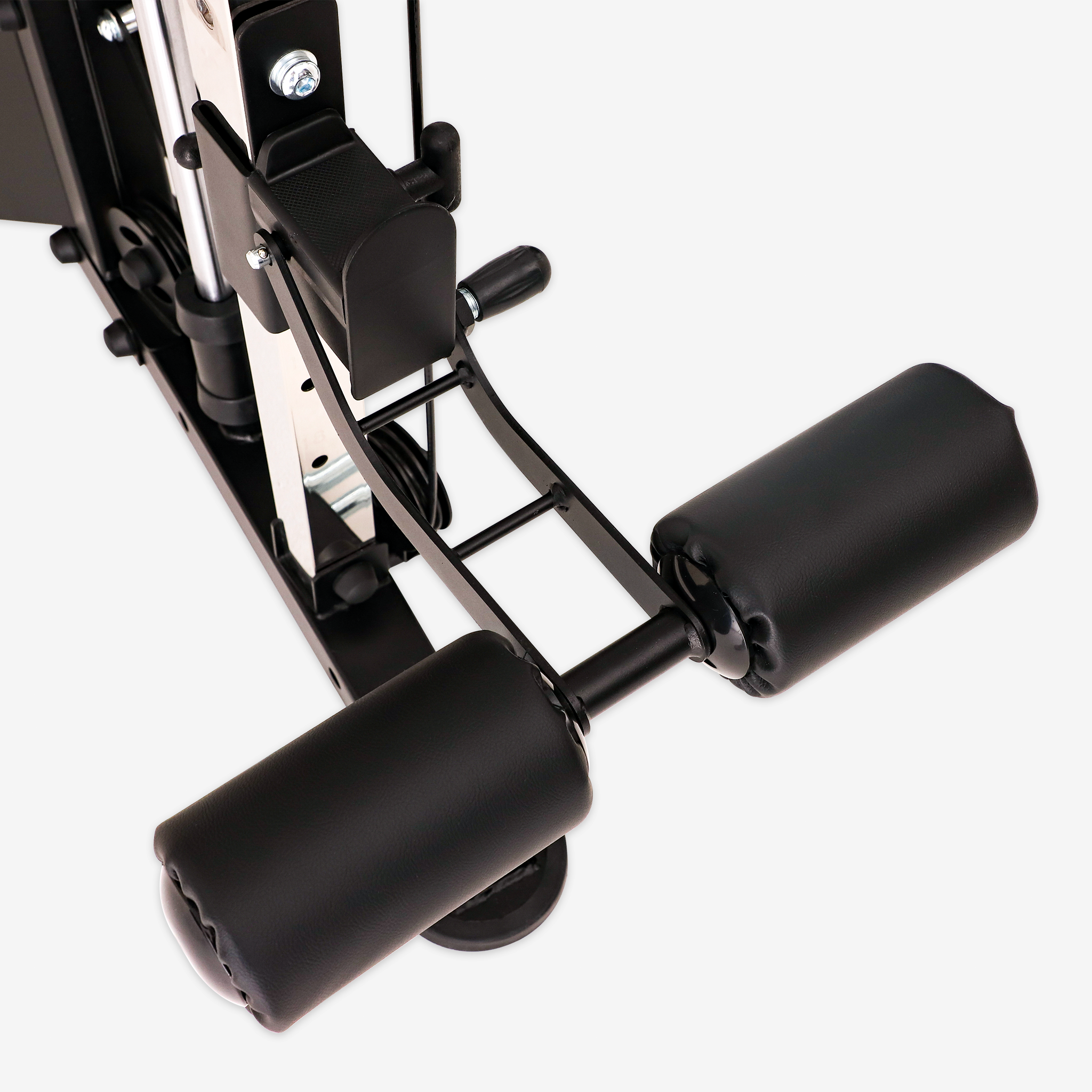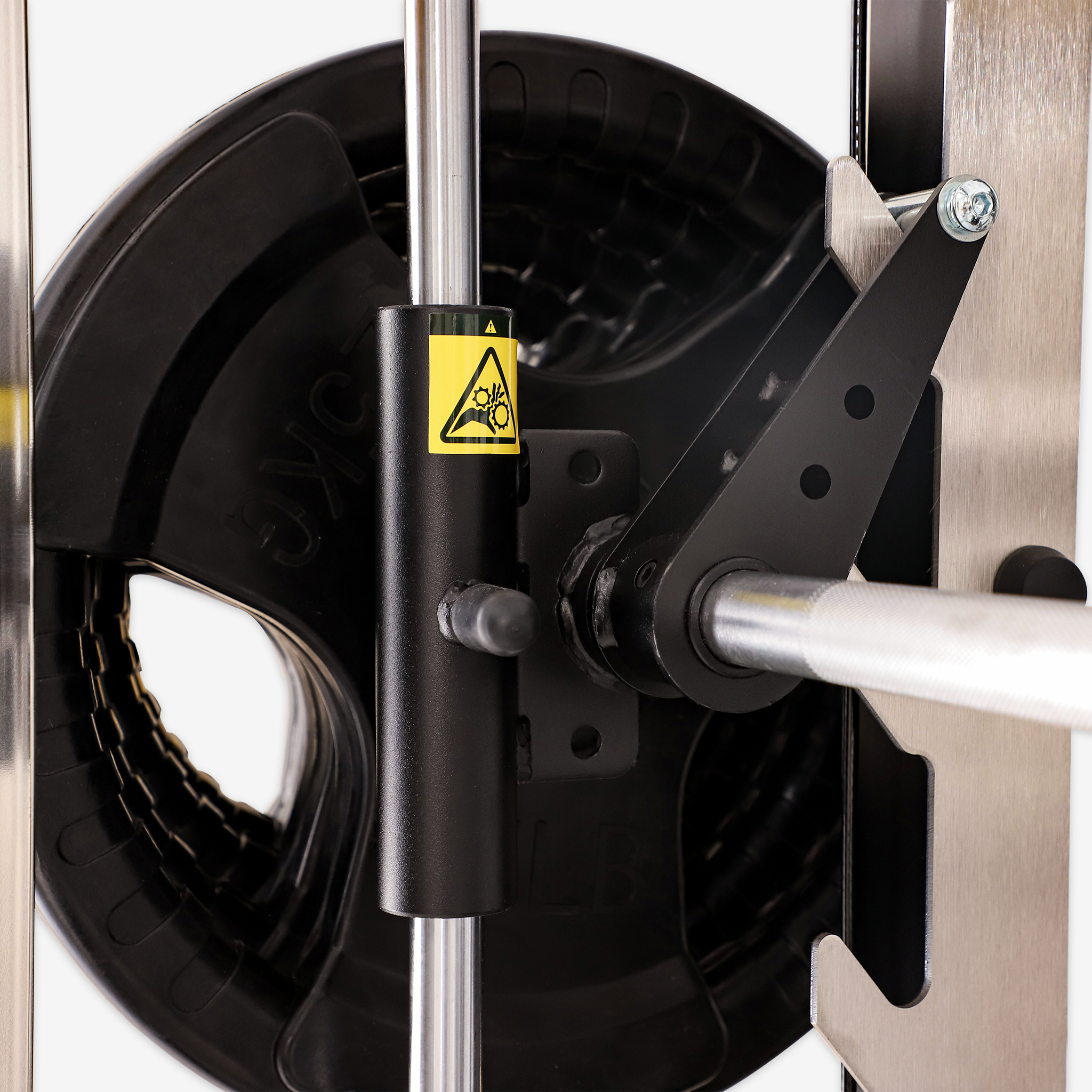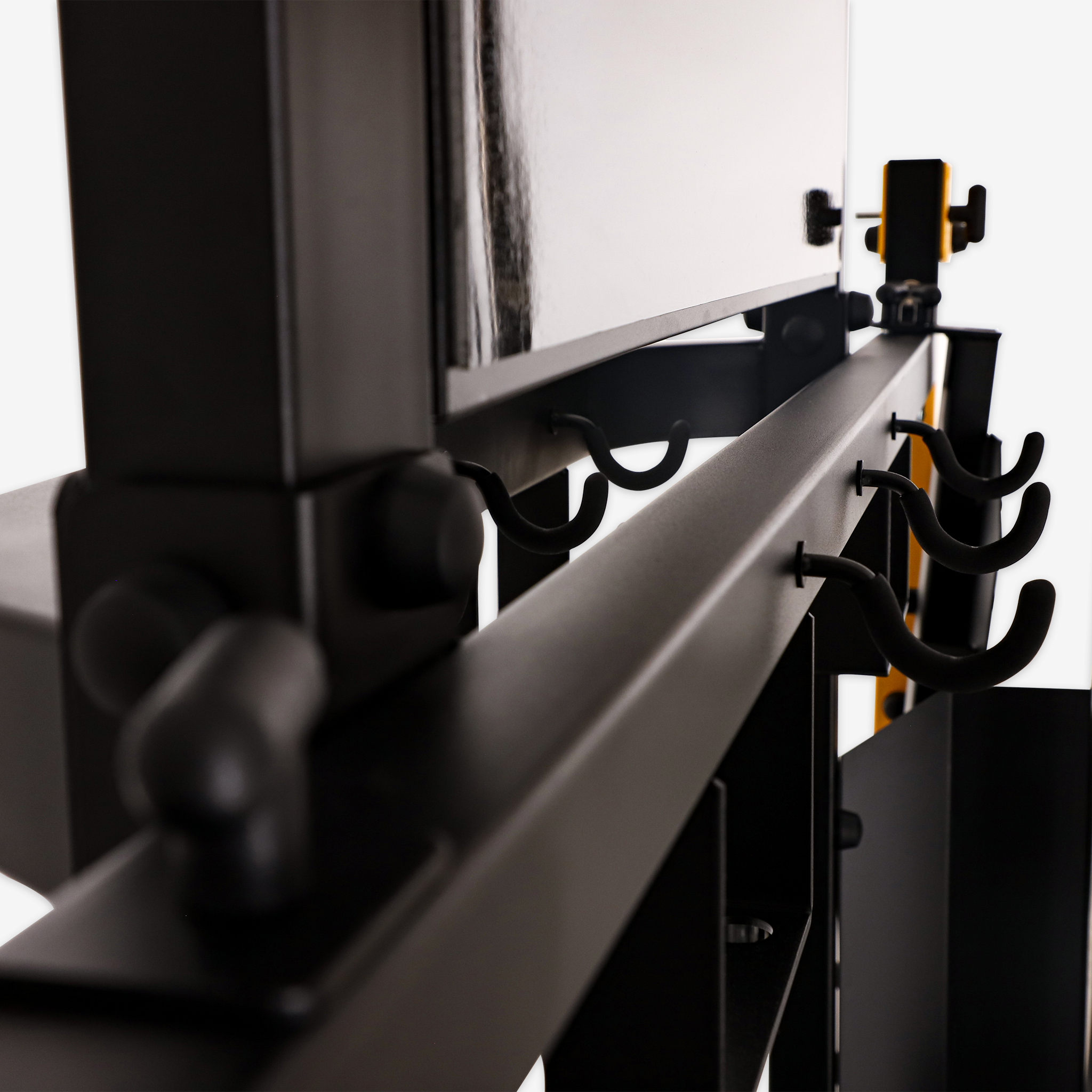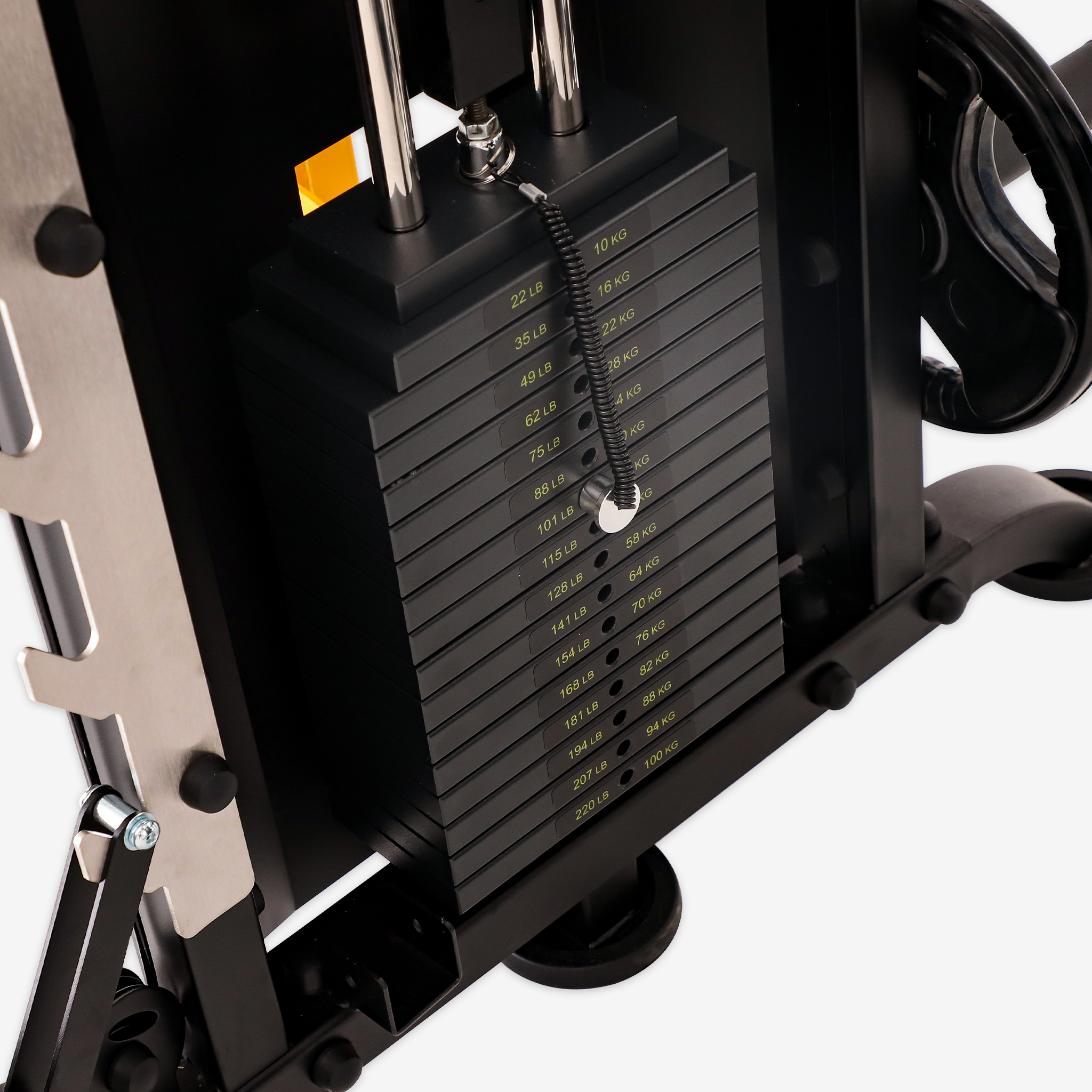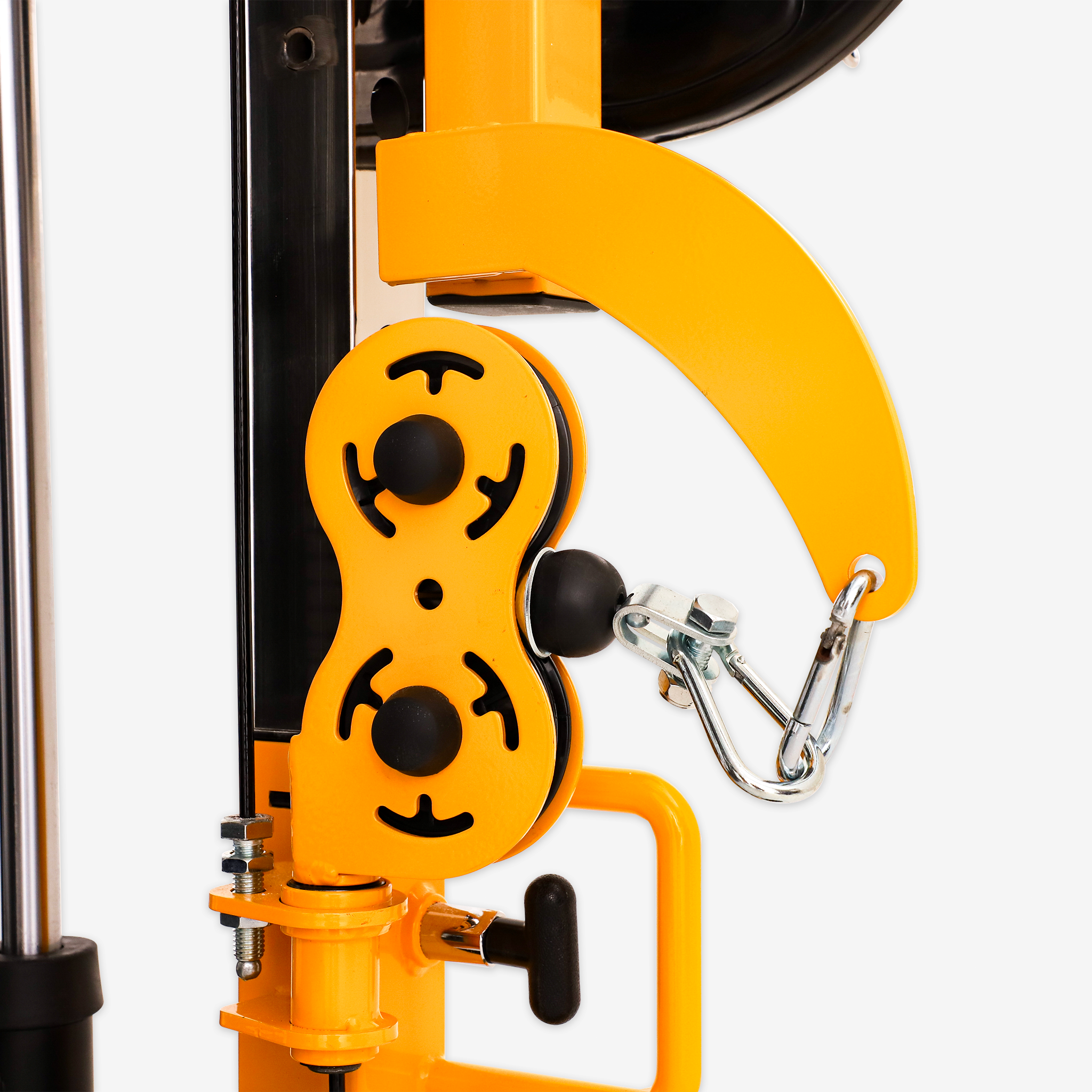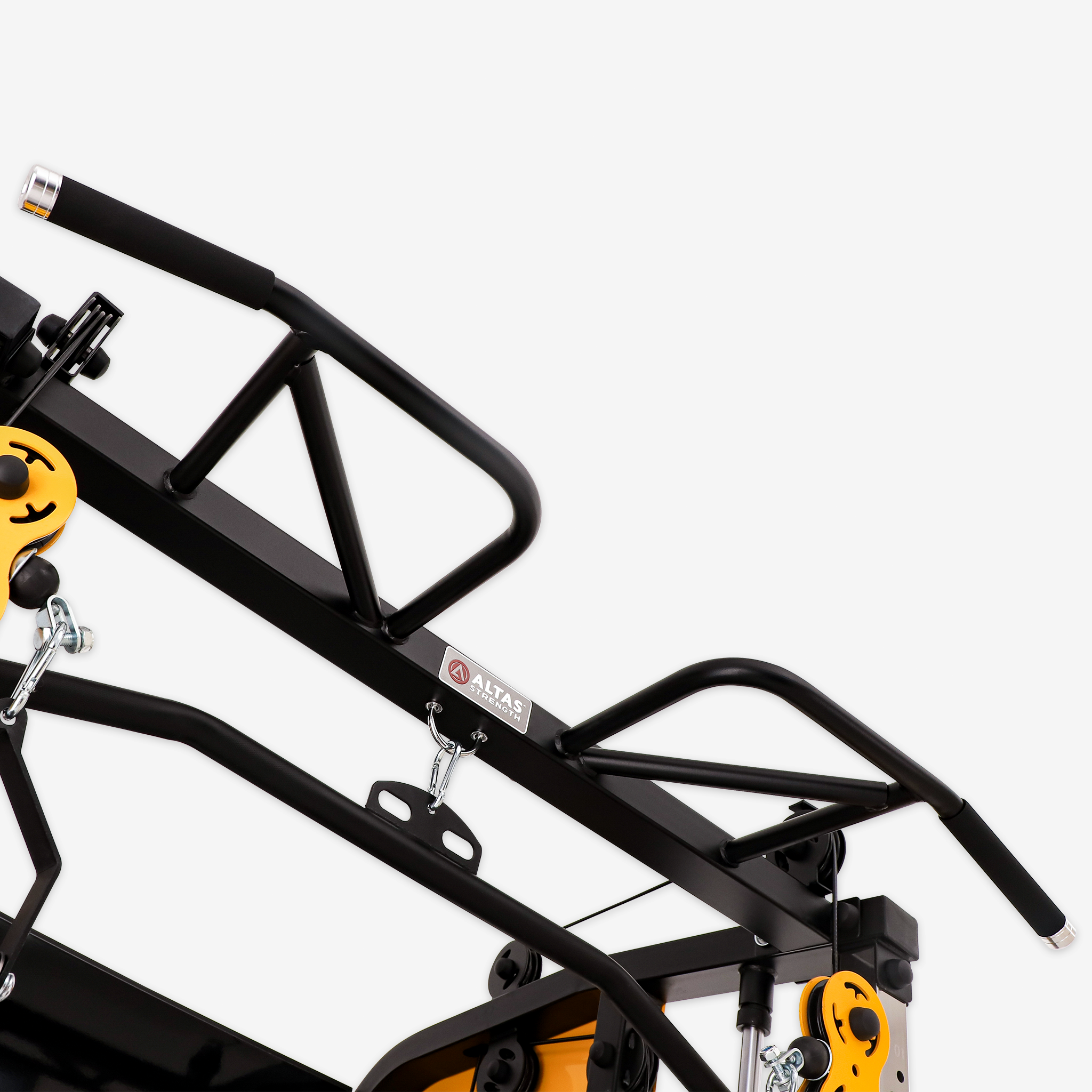
If you’re serious about building a stronger lower back, improving posture, and unlocking full posterior chain development, the reverse hyperextension machine is one of the most effective pieces of gym equipment you can add to your training routine. Often overlooked in commercial gyms and home fitness spaces, this machine delivers targeted lower back, glute, and hamstring activation while minimizing spinal compression.
Unlike traditional hyperextensions or deadlift variations that place direct pressure on the lower spine, the reverse hyperextension machine supports your torso and allows your legs to move freely through a controlled range of motion. This unique setup makes it ideal for beginners, intermediate lifters, and advanced athletes alike.
What Is a Reverse Hyperextension Machine?
A reverse hyperextension machine is a specialized piece of fitness equipment designed to strengthen the posterior chain, including:
- Lower back (erector spinae)
- Glutes
- Hamstrings
- Hip stabilizers
- Core muscles
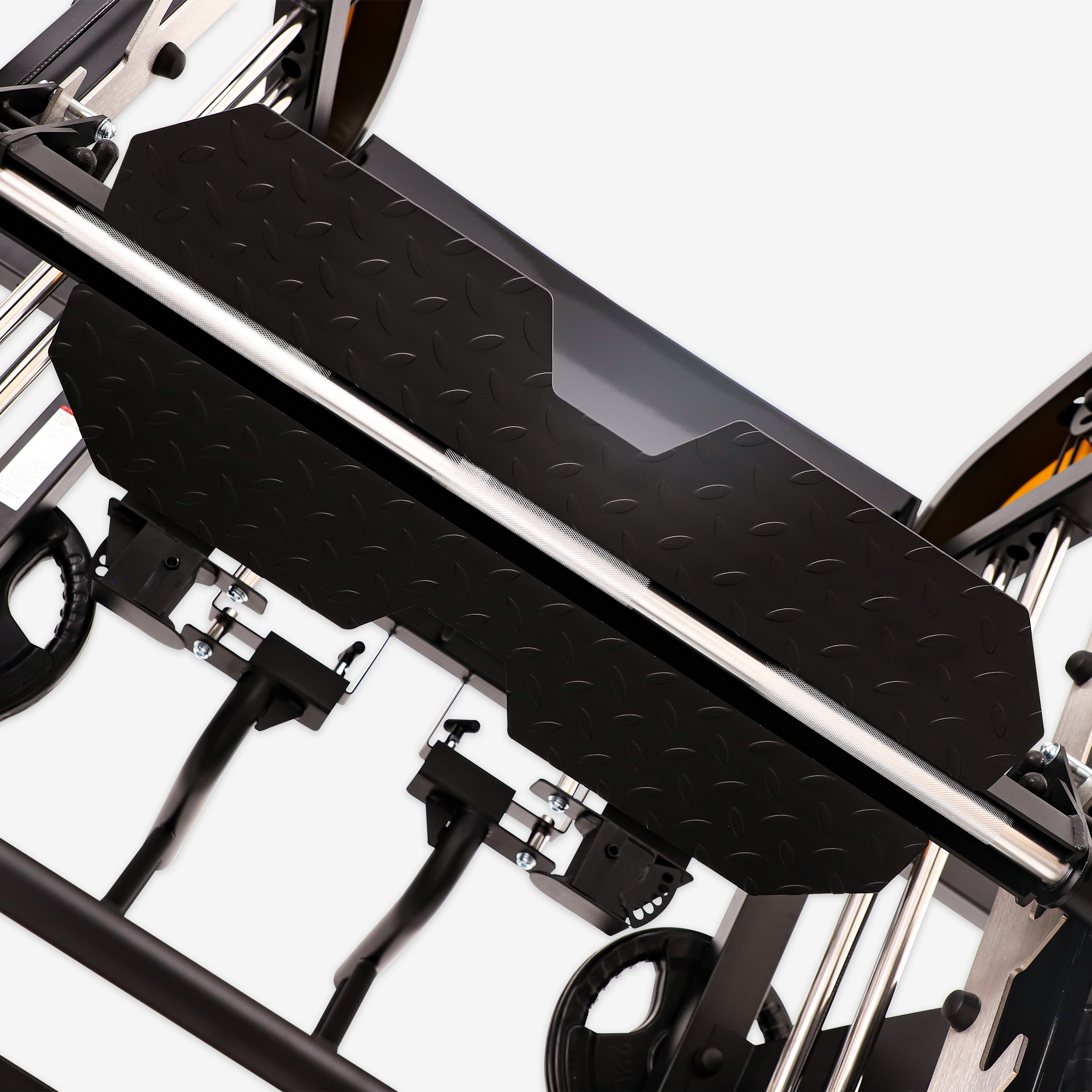
The machine positions your upper body securely on a padded platform while your legs hang freely beneath you. By lifting your legs upward against resistance, you create deep activation in the muscles responsible for spinal support and hip extension.
This makes the reverse hyperextension machine one of the safest and most effective ways to train your lower back without heavy spinal loading.
Benefits of Using a Reverse Hyperextension Machine
1. Strengthens the Lower Back Safely
Traditional lower back exercises often compress the spine. The reverse hyperextension machine decompresses while strengthening, helping reduce stiffness and discomfort.
2. Builds Powerful Glutes and Hamstrings
The movement mimics hip extension patterns used in deadlifts, squats, and athletic performance.
3. Improves Posture
Strong spinal erectors help keep your torso upright and combat poor posture caused by long hours of sitting.
4. Enhances Athletic Performance
A stronger posterior chain improves:
- Sprint speed
- Jumping power
- Deadlift strength
- Squat lockout performance
5. Excellent for Recovery and Rehab
Many physical therapists and strength coaches recommend reverse hyperextension machine exercises for spinal decompression and lower back rehabilitation.
How to Use a Reverse Hyperextension Machine Properly
Step 1: Position Yourself
Lie face down with your hips aligned at the edge of the pad.
Grip the handles tightly and brace your core.
Step 2: Let Legs Hang Naturally
Allow your legs to hang straight down with slight knee bend.
Step 3: Lift with Control
Drive your legs upward using your glutes and hamstrings.
Raise until your body forms a straight line.
Step 4: Pause and Squeeze
Hold for 1–2 seconds at the top.
Step 5: Lower Slowly
Control the descent for maximum tension.
Repeat for desired reps.
Best Reverse Hyperextension Machine Exercises
Standard Reverse Hyperextension
Targets full posterior chain.
3–4 sets of 12–15 reps
Weighted Reverse Hyperextension
Adds progressive overload for growth.
3 sets of 8–12 reps
Single-Leg Reverse Hyperextension
Corrects muscle imbalances.
3 sets of 10 reps each leg
Paused Reverse Hyperextension
Boosts muscle activation.
3 sets of 8–10 reps
Pulse Reps
Build endurance and burnout.
3 sets of 15–20 pulses
Recovery Stretch Hold
Improves mobility and relieves tension.
3 holds of 20–30 seconds
Common Mistakes to Avoid
Avoid these errors when using a reverse hyperextension machine:
Using momentum
Swinging reduces activation.
Arching too hard
Overextending stresses the spine.
Too much weight too soon
Focus on form first.
Rushing reps
Controlled tempo delivers better results.
Loose core engagement
Always brace your abs.
Who Should Use a Reverse Hyperextension Machine?
The reverse hyperextension machine is ideal for:
- Beginners building lower back strength
- Lifters improving deadlift performance
- Athletes developing explosiveness
- Office workers correcting posture
- People recovering from mild lower back tightness
- Home gym owners creating balanced training routines
Final Thoughts
The reverse hyperextension machine is one of the smartest investments for long-term spinal health, lower back resilience, and posterior chain development.
Whether your goal is pain prevention, stronger glutes, improved posture, or athletic performance, consistent reverse hyperextension machine training can transform your results while keeping your spine safe.
Add it to your weekly routine 2–3 times per week, prioritize clean form, and watch your lower body strength improve dramatically.