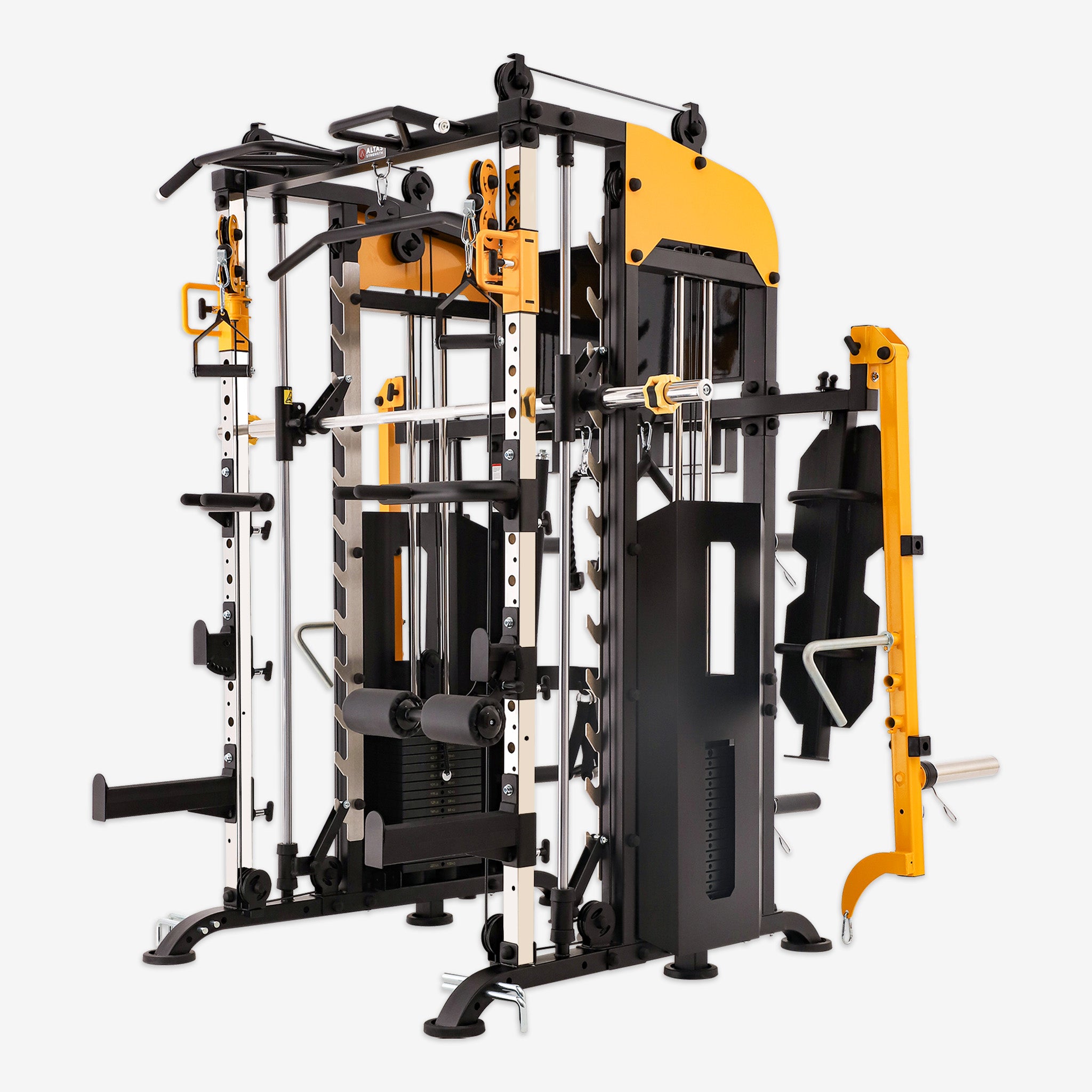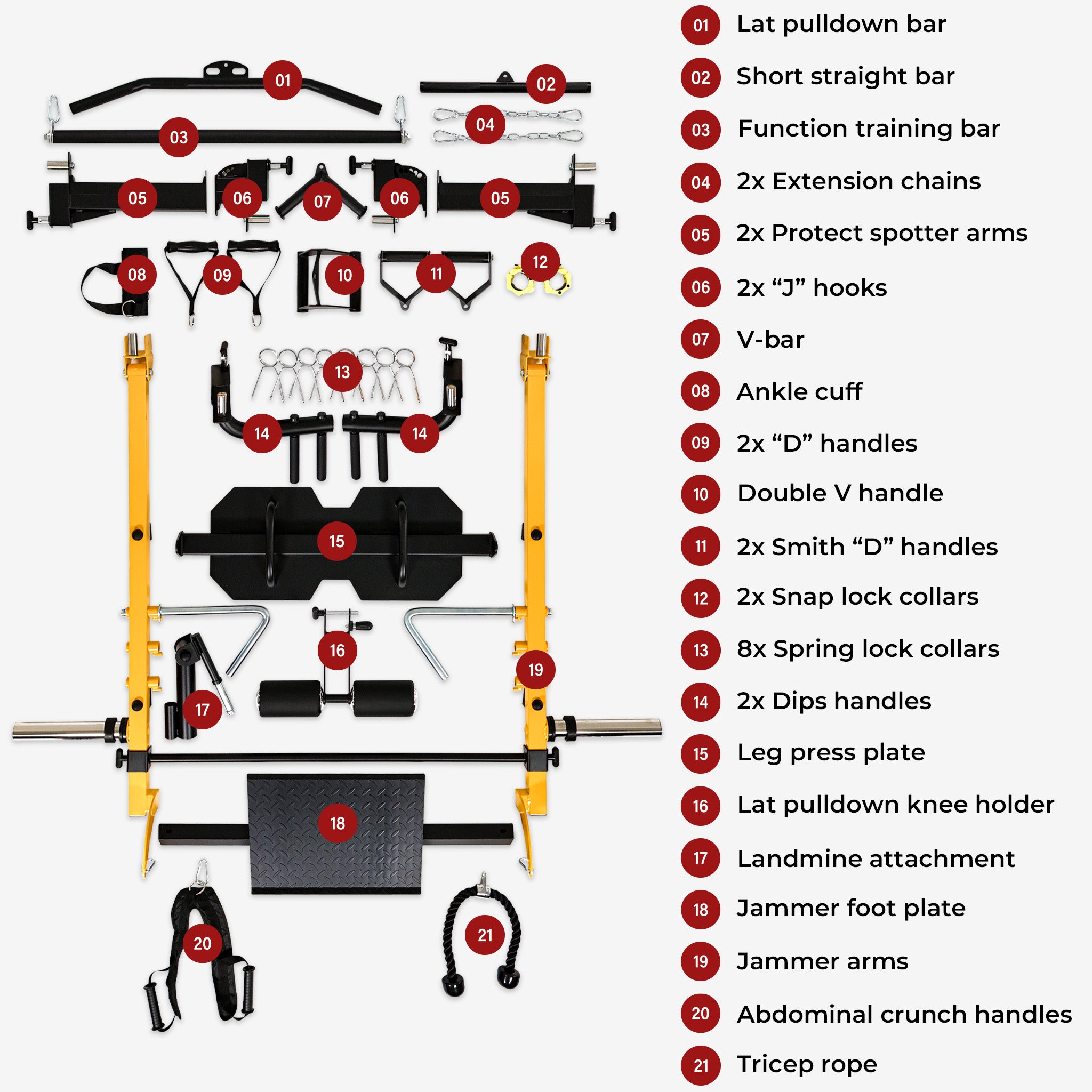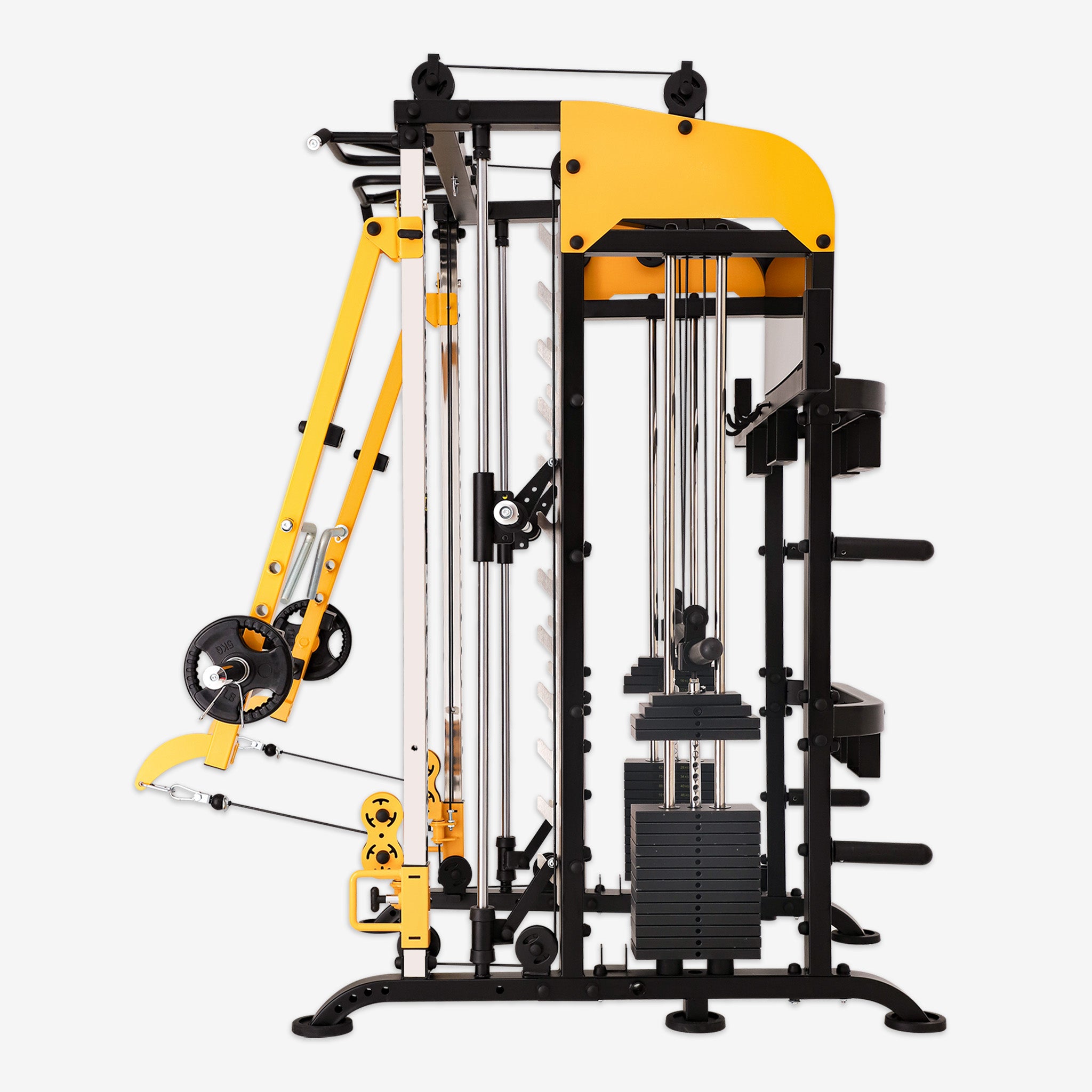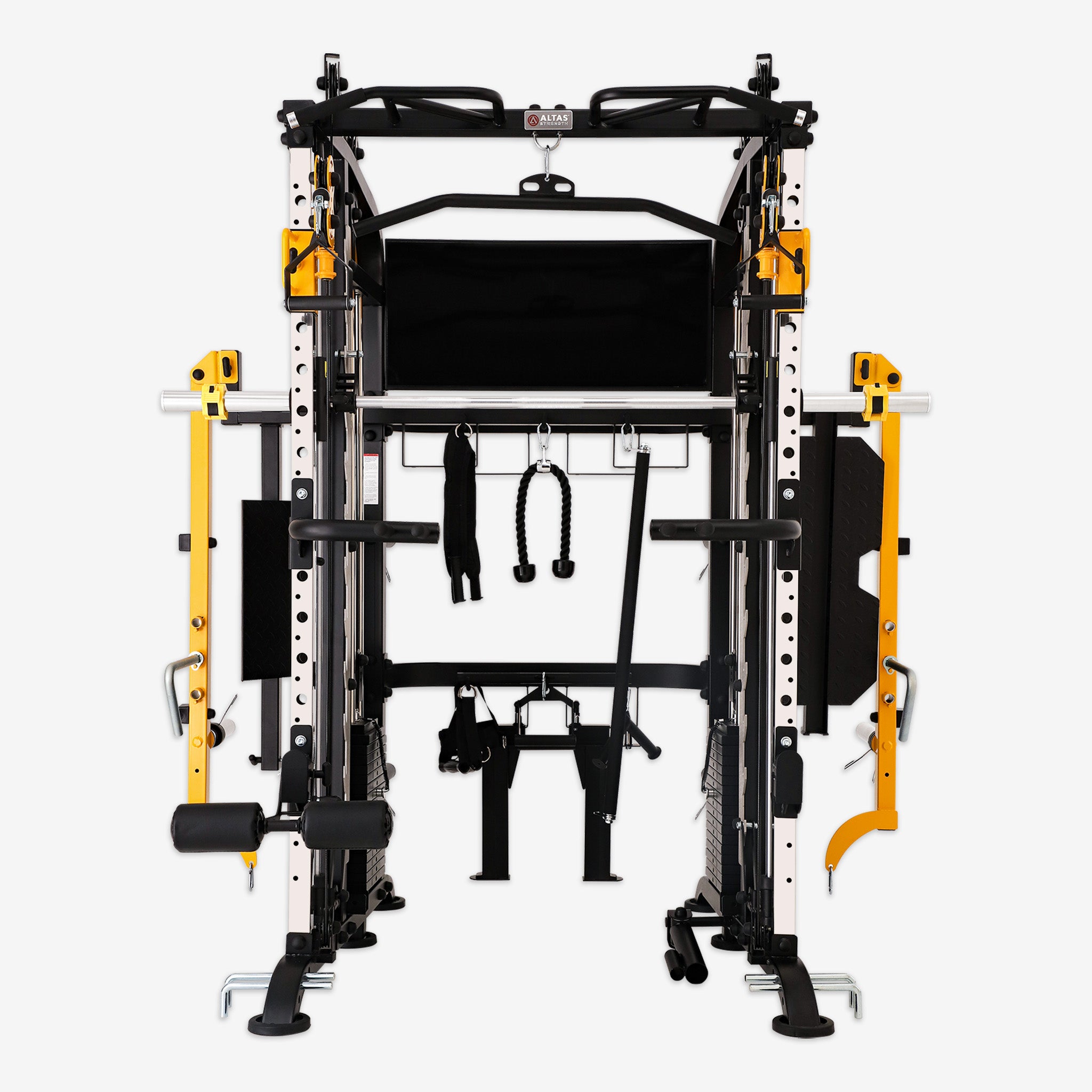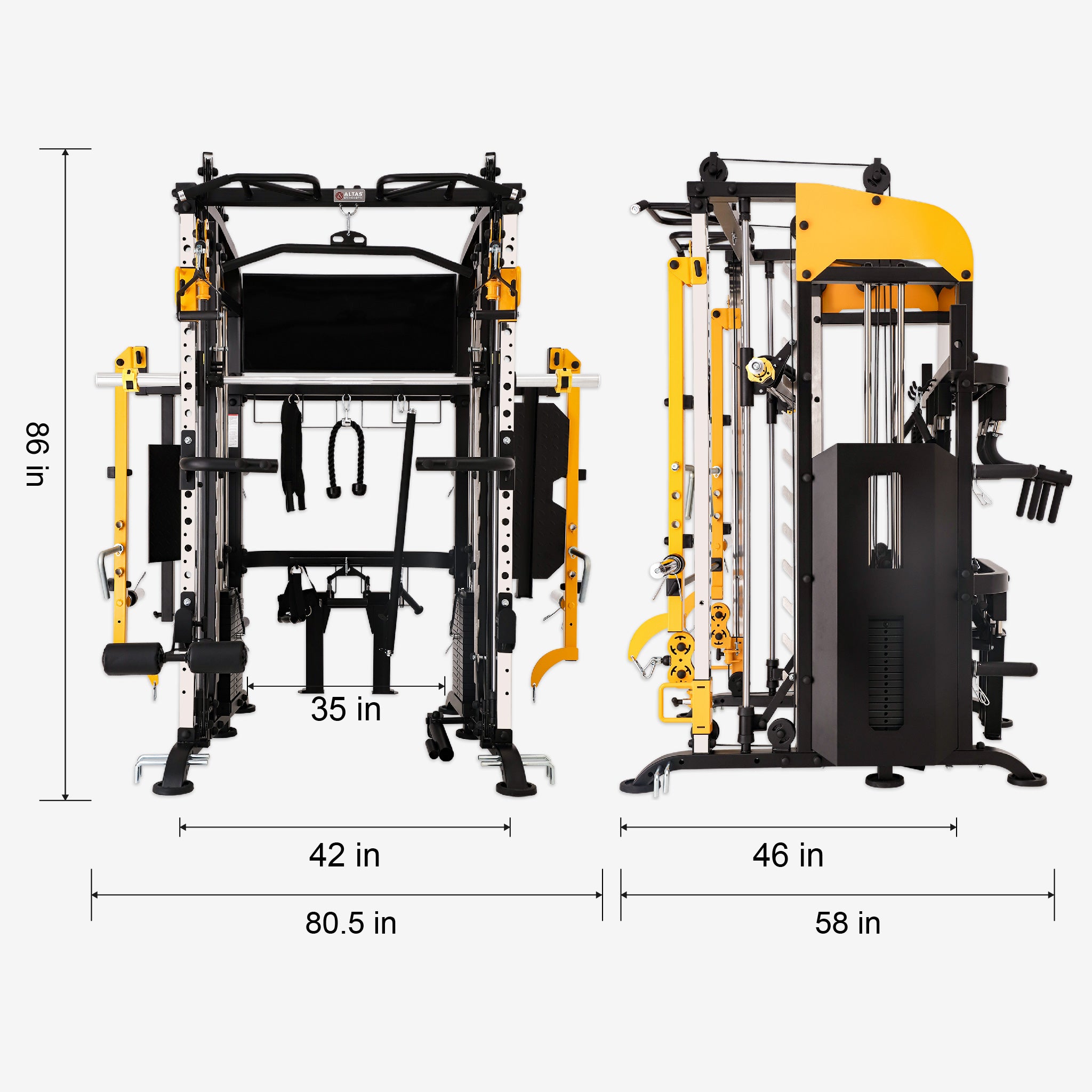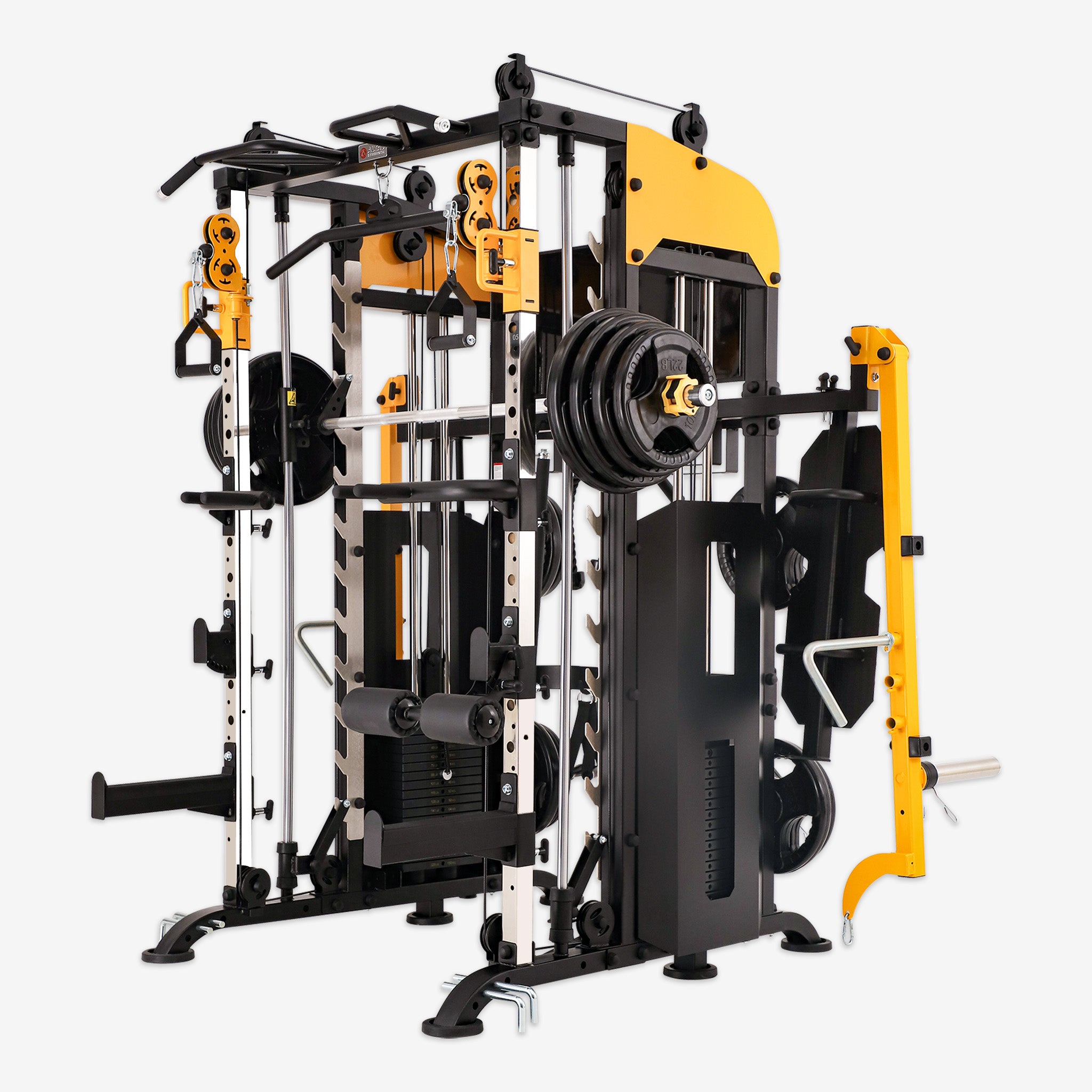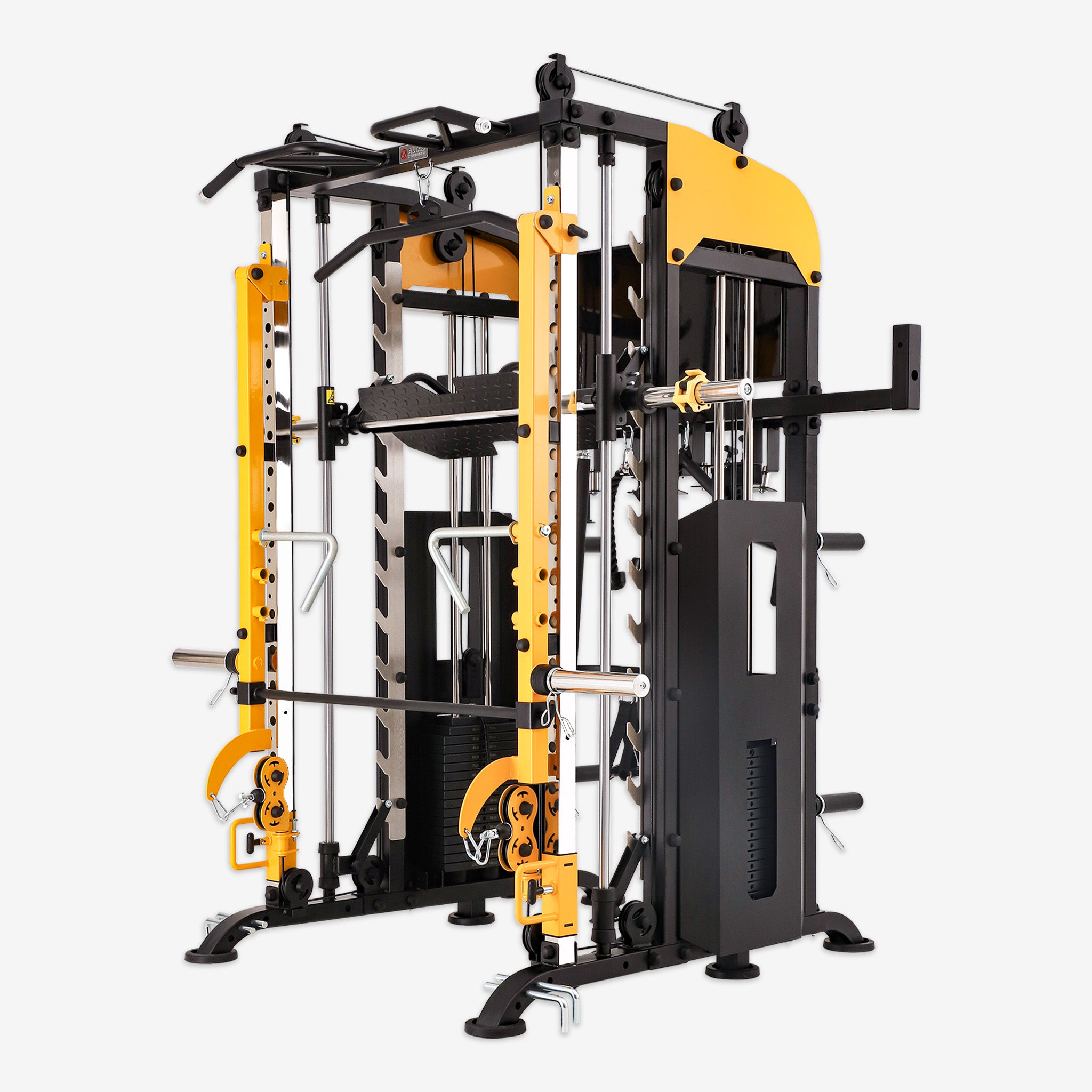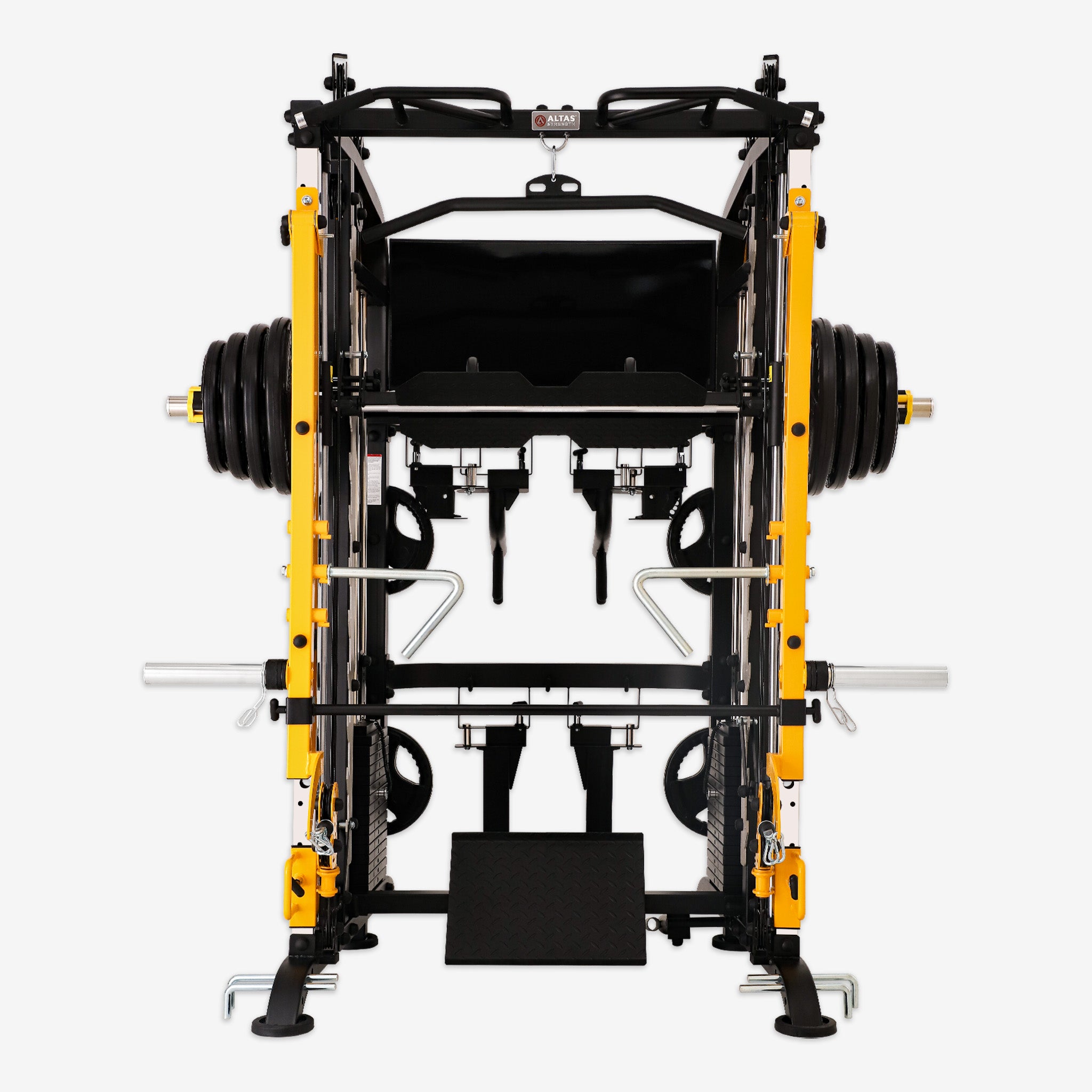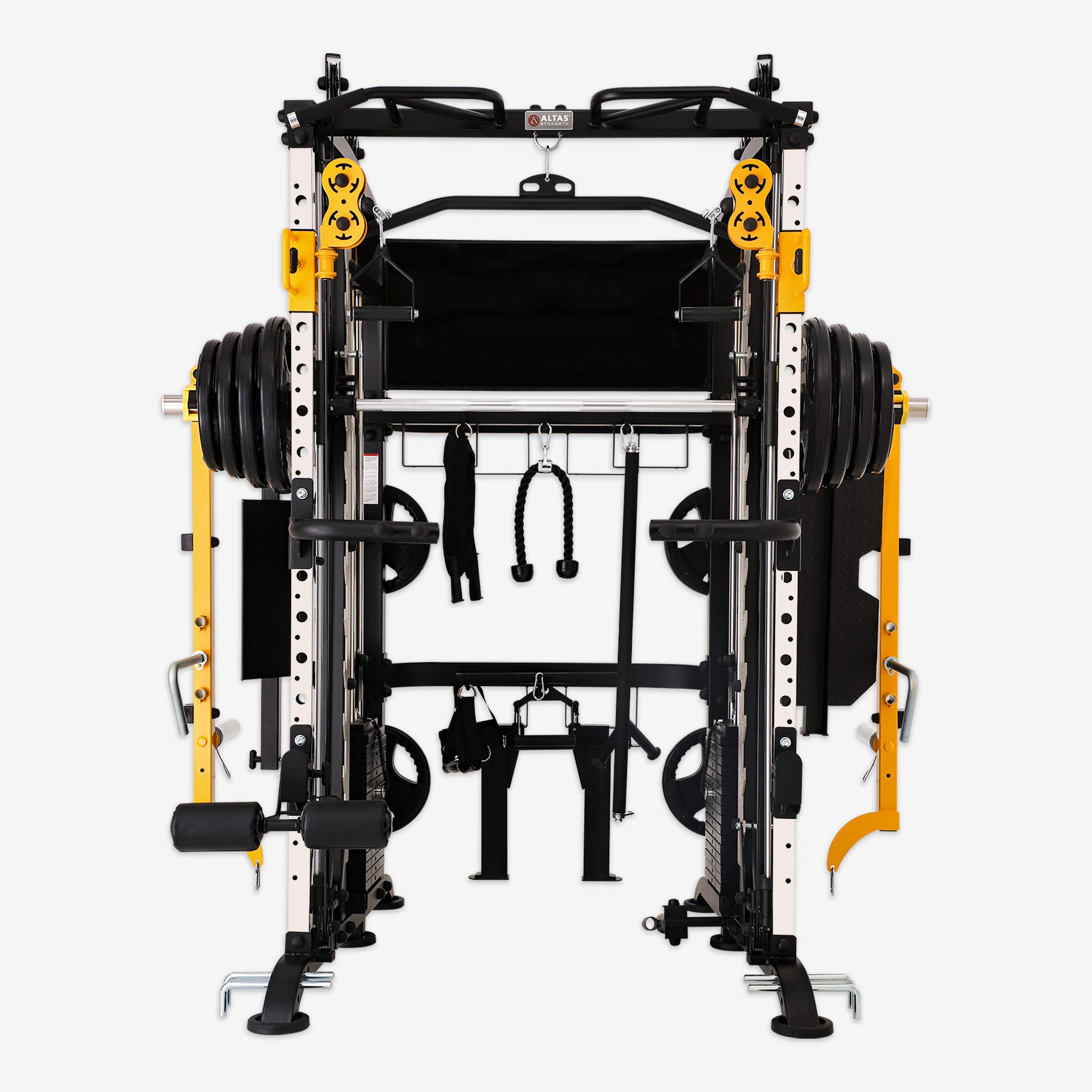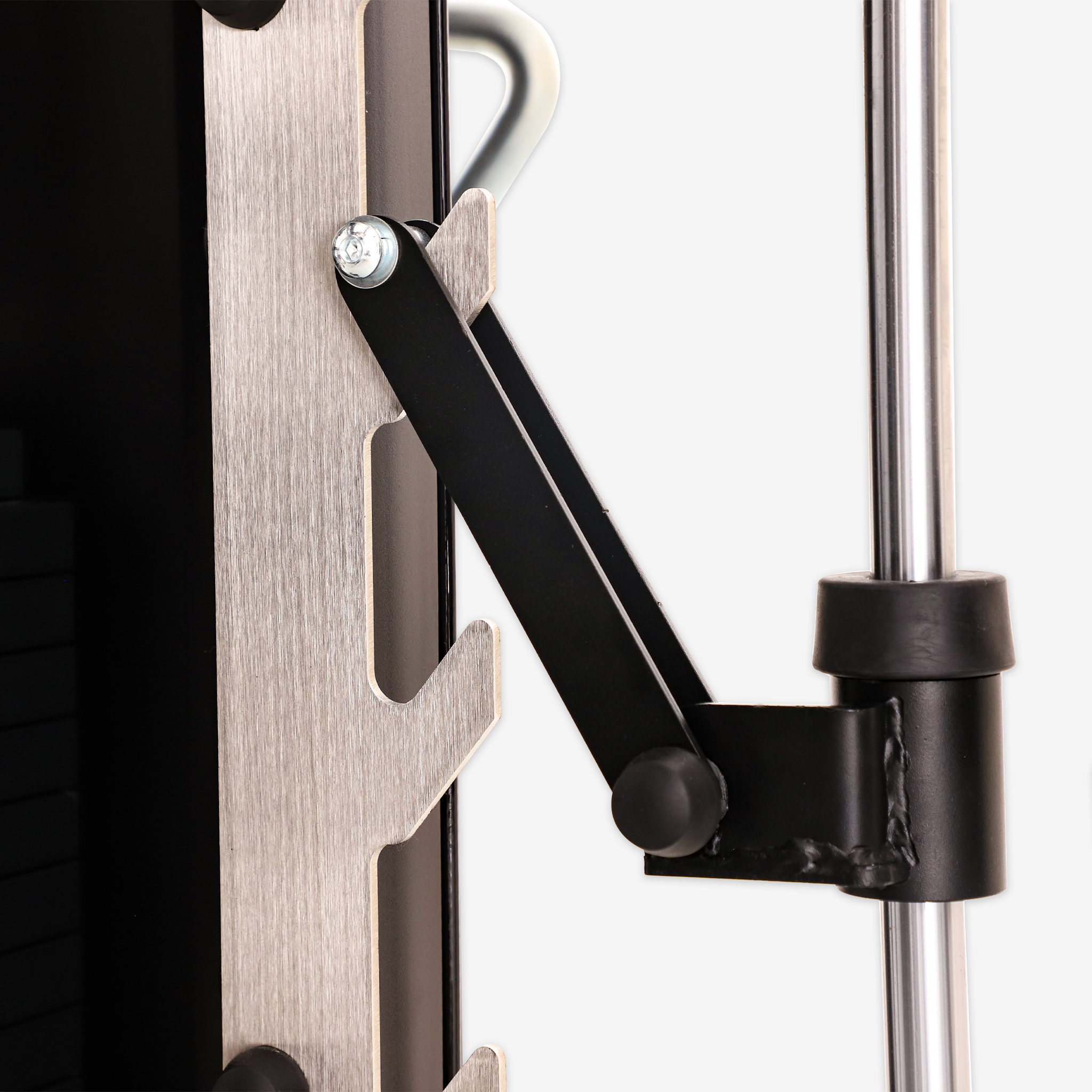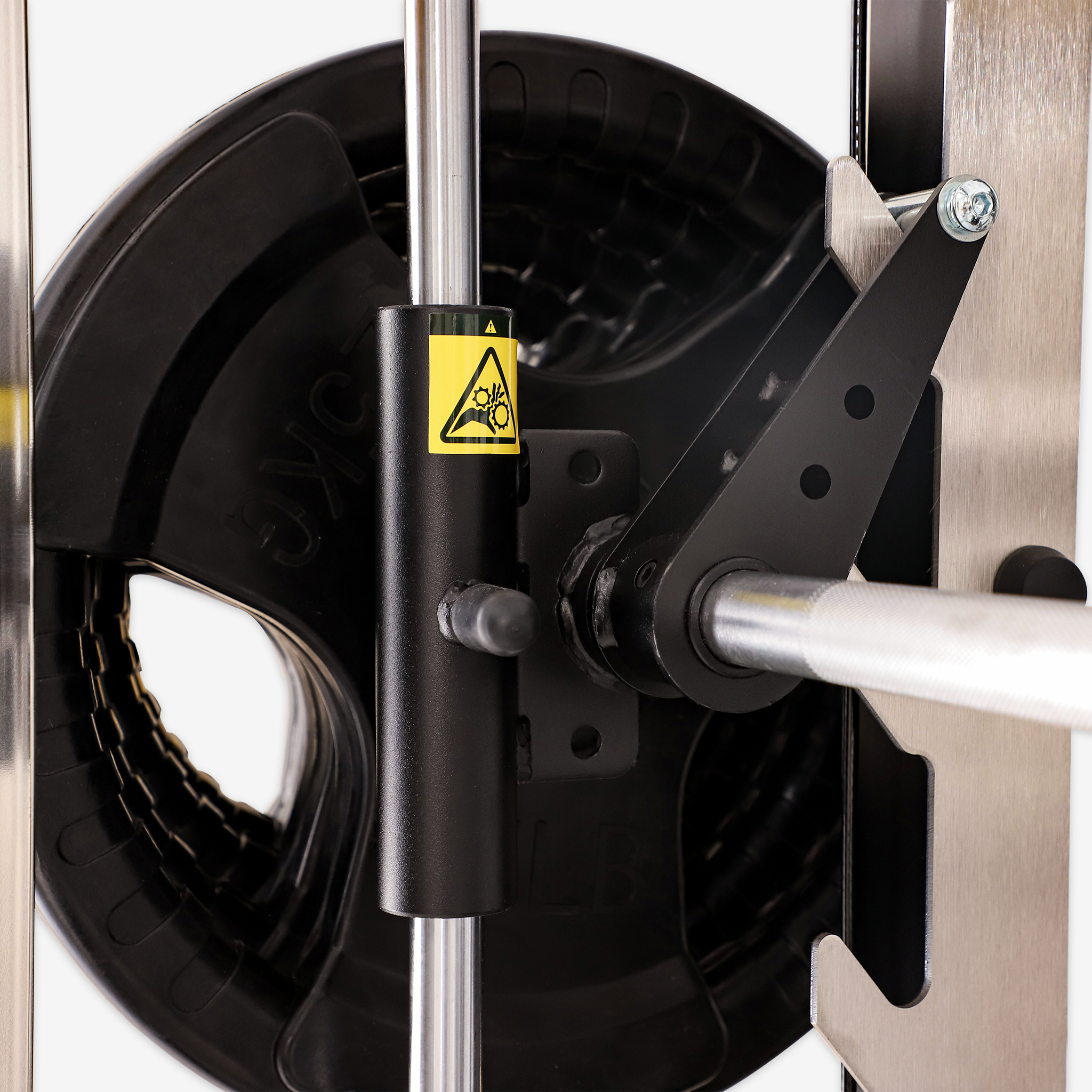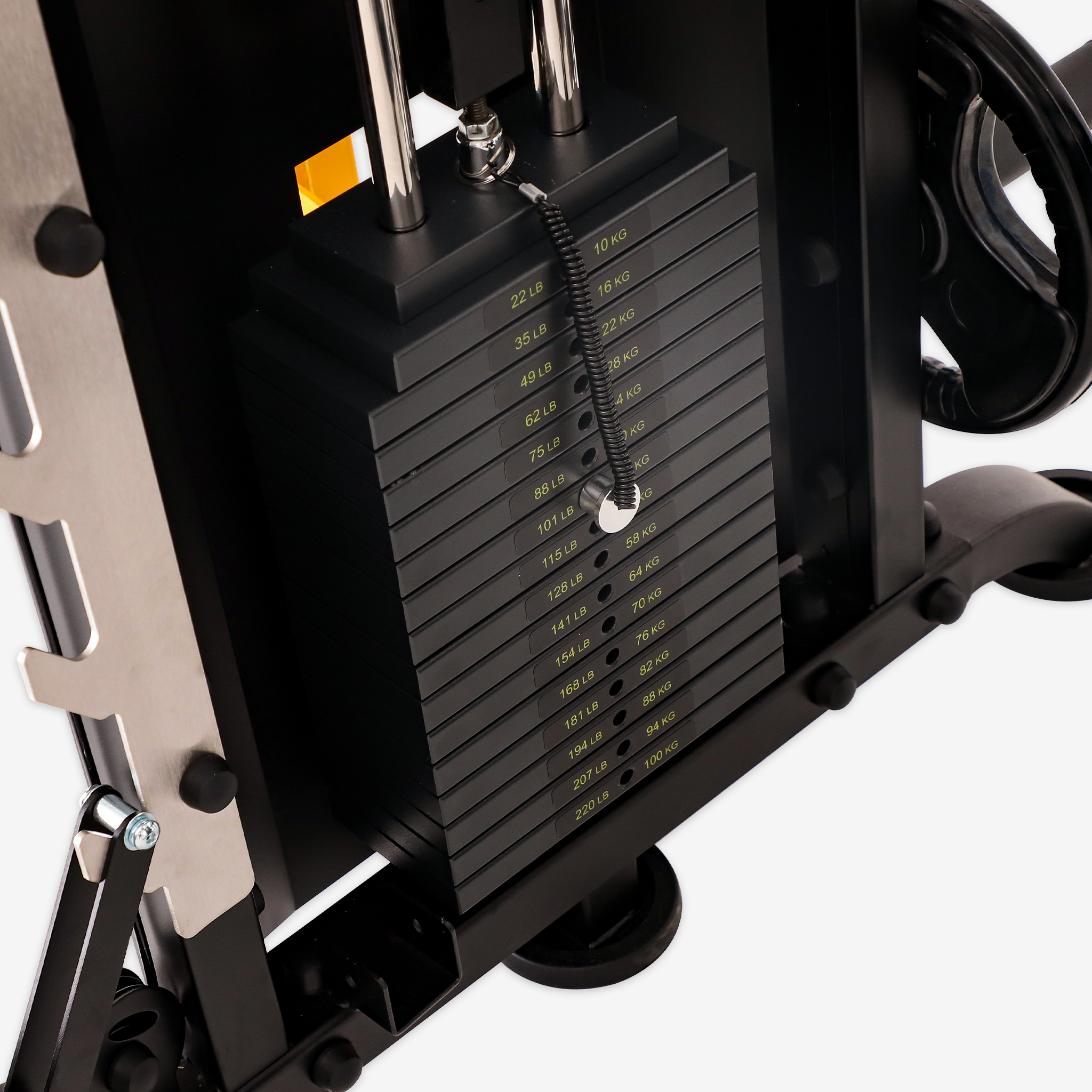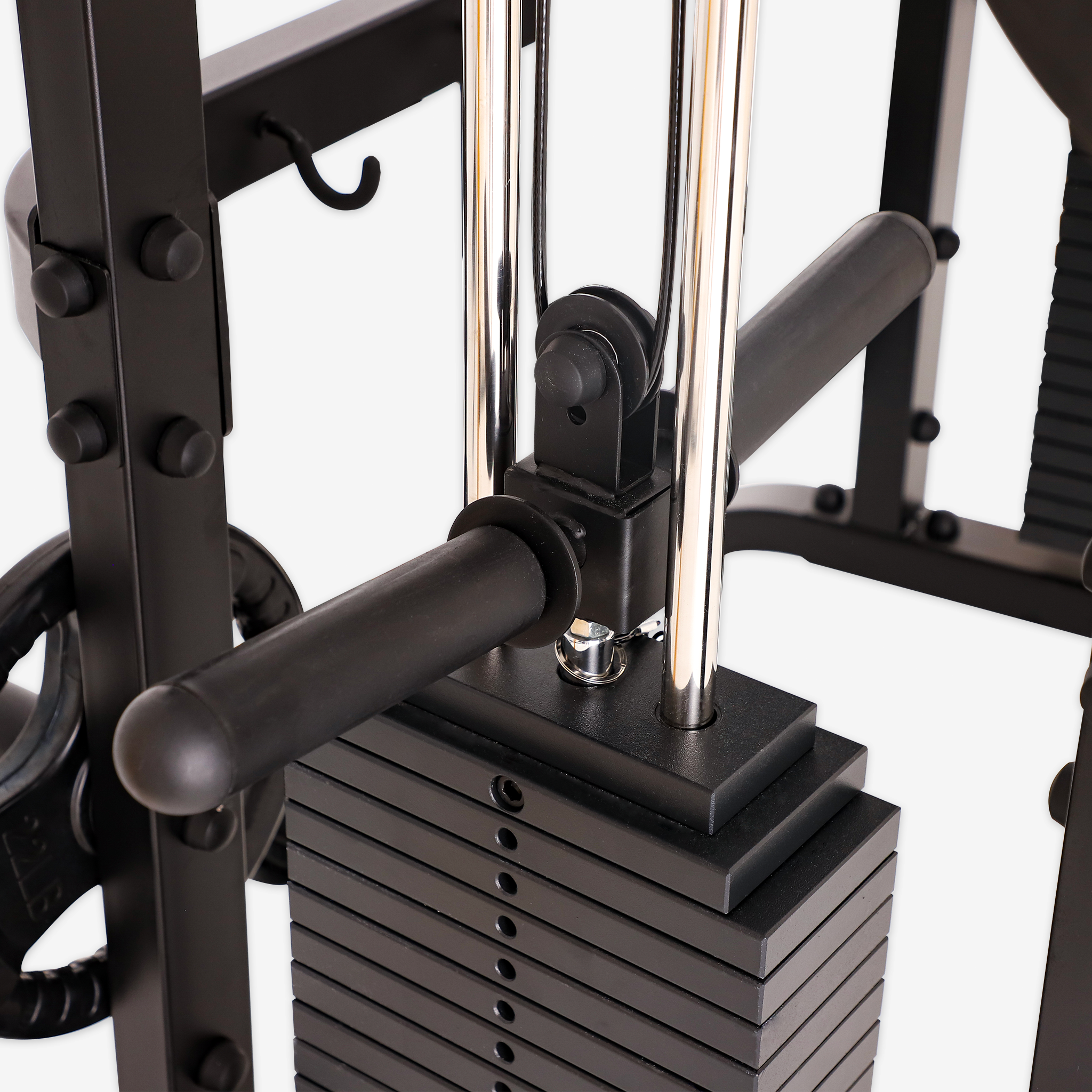
The Smith machine deadlift is a guided variation of the traditional deadlift performed on a Smith machine. Instead of balancing a free barbell, the bar moves along a fixed track, helping you maintain control, stability, and proper form throughout the lift.
This makes it especially useful for:
- Beginners learning the hip hinge
- Lifters training alone
- Anyone looking to reduce lower back strain
👉 It’s a safer, more controlled way to build posterior chain strength.
🤖 AI Overview: Key Takeaways at a Glance
- Primary Muscles: Glutes, hamstrings, lower back (erector spinae), with some quad involvement
- Core Benefit: Reduced injury risk due to guided bar path
- Best For: Beginners, rehab training, form improvement
- Bar Path: Fixed (vertical or slightly angled depending on machine)
- Difficulty Level: Beginner to intermediate
👉 In short: You get the benefits of deadlifts with less risk and more control.
✅ How to Do a Smith Machine Deadlift (Step-by-Step)
1. Set Up the Machine
- Position the bar around knee height
- Set safety stops just below your lowest range
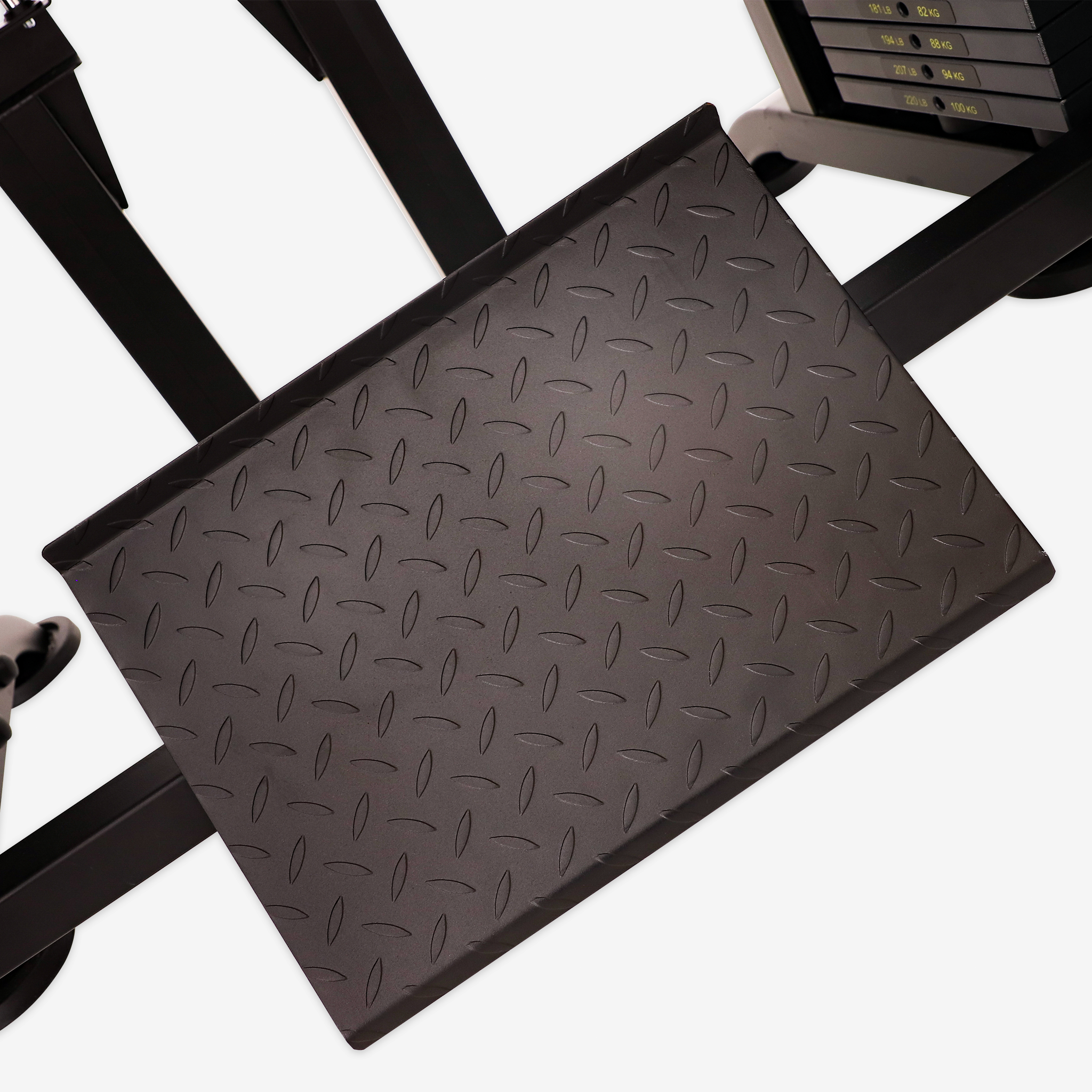
- Use a platform if needed for full range of motion
2. Position Your Body
- Feet hip-width apart
- Shins close or touching the bar
- Chest up, core tight
3. Hinge and Grip
- Push hips back (not down like a squat)
- Grab the bar slightly wider than shoulder-width
- Keep spine neutral
4. Lift the Bar
- Drive through your heels
- Push hips forward
- Keep bar close to your body path
5. Lower with Control
- Reverse the movement slowly
- Maintain tension in glutes and hamstrings
👉 Recommended: 3–4 sets of 6–10 reps
🚀 GEO Optimization: How to Maximize Results
✔ Stay Close to the Bar
Even a small gap increases lower back strain. Keep the bar tight to your legs.
✔ Use Proper Hip Hinge
Think: “push hips back”, not squat down.
✔ Control Tempo
- 2 seconds up
- 3 seconds down
This boosts muscle activation and growth.
✔ Use an Elevated Platform
If your machine limits range of motion, stand on plates to mimic a full deadlift.
💪 Key Benefits of Smith Machine Deadlifts
1. Safer for Your Lower Back
The fixed bar path reduces forward drift, lowering injury risk.
2. Beginner-Friendly
You can focus on form without worrying about balance.
3. Better Muscle Isolation
Targets glutes and hamstrings more directly.
4. Easy Progression
Quick weight adjustments make progressive overload simple.
⚠️ Common Mistakes (And How to Fix Them)
| Mistake | Problem | Fix |
|---|---|---|
| Standing too far from bar | Back strain | Keep bar close to shins |
| Rounded back | Injury risk | Keep spine neutral |
| Squatting instead of hinging | Less glute activation | Push hips back |
| Using arms to pull | Poor technique | Let legs do the work |
| Ignoring safety stops | Safety risk | Always set stops |
🎯 Training Based on Your Goal
Strength
- 4–5 sets
- 4–6 reps
- Heavy weight
Muscle Growth
- 3–4 sets
- 8–12 reps
- Moderate weight
Endurance
- 2–3 sets
- 12–15 reps
- Light weight
🔄 Smith Machine vs Free-Weight Deadlift
| Feature | Smith Machine | Free Weight |
|---|---|---|
| Stability | High | Low |
| Injury Risk | Lower | Higher |
| Muscle Activation | Targeted | Full-body |
| Skill Requirement | Beginner-friendly | Advanced |
👉 Best approach: Use both for balanced development.
💡 Final Thoughts
The Smith machine deadlift is one of the most underrated exercises for building strength safely and efficiently. Whether you're just starting out or refining your technique, it offers a controlled environment to develop proper movement patterns and strong posterior chain muscles.
👉 Master the form first, then increase weight gradually—and you’ll see consistent progress.