Smith Machine Front Squat: The Complete Guide for Stronger Quads & Safer Leg Training
The smith machine front squat is one of the most effective lower-body exercises for building quad strength, improving squat mechanics, and developing safer lifting technique. By combining the upright posture of a front squat with the guided stability of a Smith machine, this movement helps beginners and experienced lifters train legs with more control, better balance, and reduced injury risk.
Unlike traditional free-weight front squats that require advanced mobility and stabilization, the smith machine front squat allows you to focus entirely on muscle activation, movement depth, and consistent form. Whether your goal is muscle growth, leg definition, athletic strength, or safer lower-body training, this exercise deserves a place in your workout routine.
What Is a Smith Machine Front Squat?
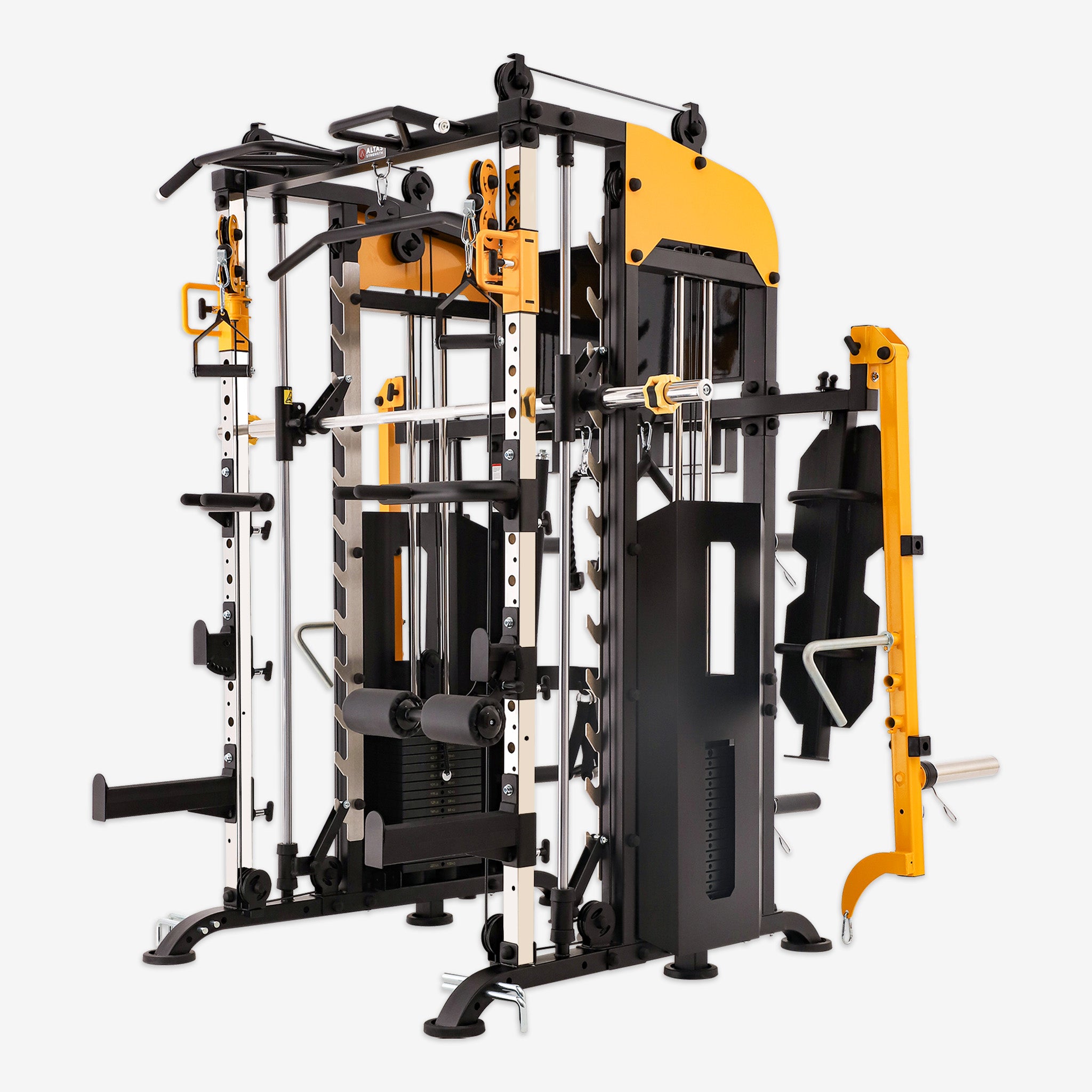
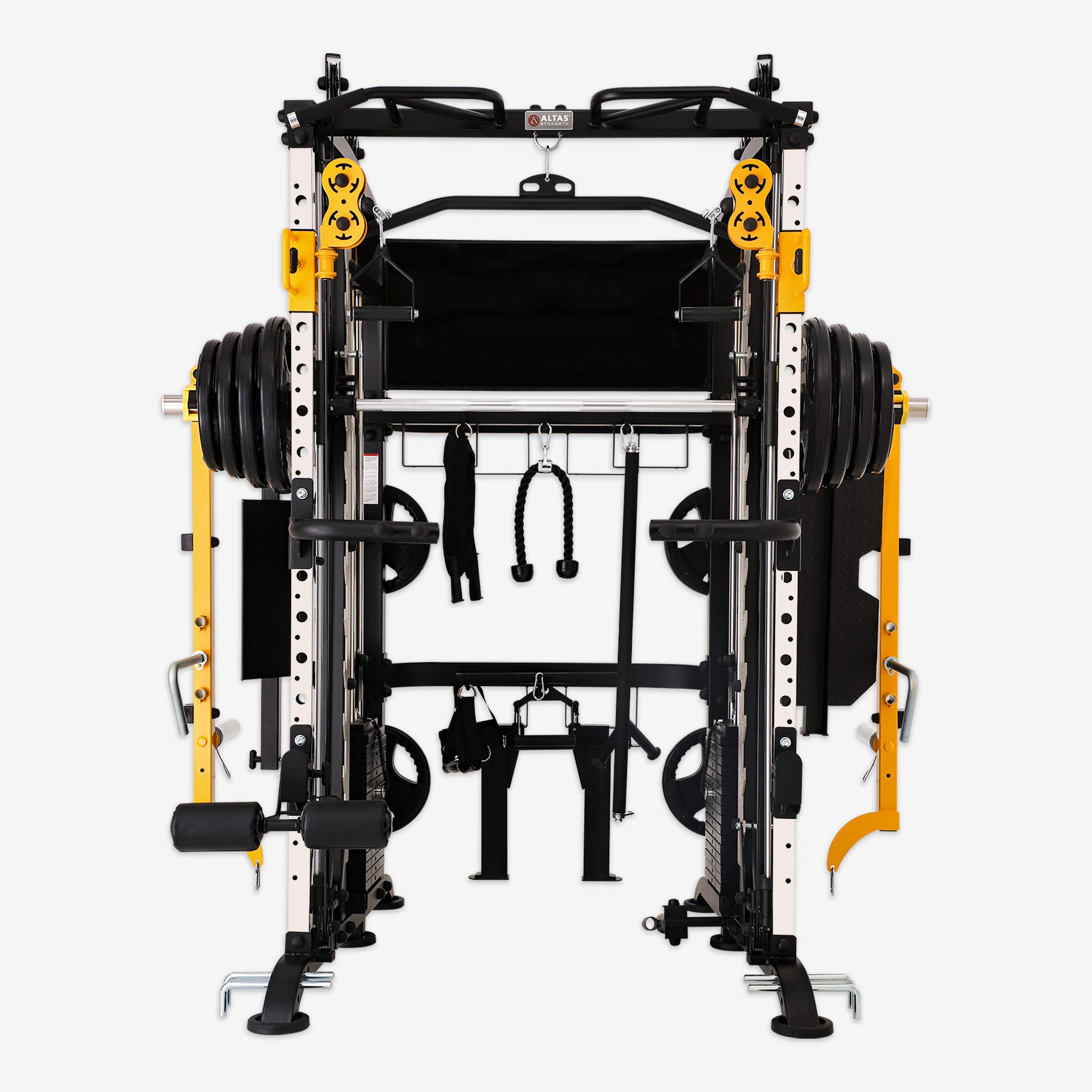
A smith machine front squat is a front-loaded squat variation performed on a Smith machine using a fixed vertical bar path. Instead of balancing a free barbell, the machine stabilizes the movement, making it easier to maintain posture and proper squat mechanics.
During the exercise, the bar rests across the front of your shoulders while you squat down with an upright torso. This position shifts more emphasis onto the quadriceps while reducing strain on the lower back compared to traditional back squats.
The guided track of the Smith machine also improves stability, making the smith machine front squat ideal for:
- Beginners learning squat form
- Lifters focusing on quad development
- People with balance limitations
- Gym users recovering from minor back discomfort
- Athletes wanting controlled hypertrophy training
Smith Machine Front Squat Muscles Worked
One of the biggest benefits of the smith machine front squat is its ability to target multiple lower-body muscle groups simultaneously.
Primary Muscles Worked
Quadriceps
The quadriceps are the main target muscle. The upright torso angle places heavy tension directly on the front thighs, making this one of the best quad-focused squat variations.
Glutes
The glute muscles activate strongly during the upward drive phase, especially when squatting to full depth.
Core
Your abdominal muscles and deep core stabilizers work continuously to maintain an upright torso and protect spinal alignment.
Secondary Muscles Worked
- Hamstrings
- Hip flexors
- Upper back muscles
- Calves
- Adductors (inner thighs)
Compared to back squats, the smith machine front squat shifts more emphasis toward the quads and less toward the posterior chain.
Benefits of Smith Machine Front Squats
1. Better Quad Activation
The front-loaded bar position naturally increases knee flexion and upright posture, maximizing quadriceps engagement for stronger, more defined legs.
2. Improved Squat Technique
Because the bar path is fixed, you can focus fully on:
- Knee tracking
- Squat depth
- Core bracing
- Posture control
This helps beginners build proper squat mechanics faster.
3. Safer Than Free-Weight Front Squats
Many gym users struggle balancing a front squat with a barbell. The Smith machine eliminates much of this instability, lowering injury risk and making heavy training more manageable.
4. Reduced Lower Back Stress
The upright torso position reduces excessive forward lean and spinal loading, making the smith machine front squat more comfortable for many lifters with mild lower-back sensitivity.
5. Excellent for Hypertrophy Training
The controlled movement allows slower eccentrics, deeper muscle contraction, and more consistent tension — ideal for muscle growth and leg hypertrophy.
How to Do a Smith Machine Front Squat Properly
Step 1: Adjust the Bar Height
Set the Smith machine bar around upper chest level.
Step underneath and position the bar across the front of your shoulders and collarbone area.
Step 2: Secure Your Grip
Use either:
- Cross-arm grip
- Clean grip (advanced)
- Strap-assisted grip
Keep elbows lifted high throughout the movement to maintain posture.
Step 3: Set Your Foot Position
- Feet shoulder-width apart
- Toes slightly turned outward
- Core tight
- Chest upright
Position feet slightly forward if needed for comfort and balance.
Step 4: Unrack the Weight
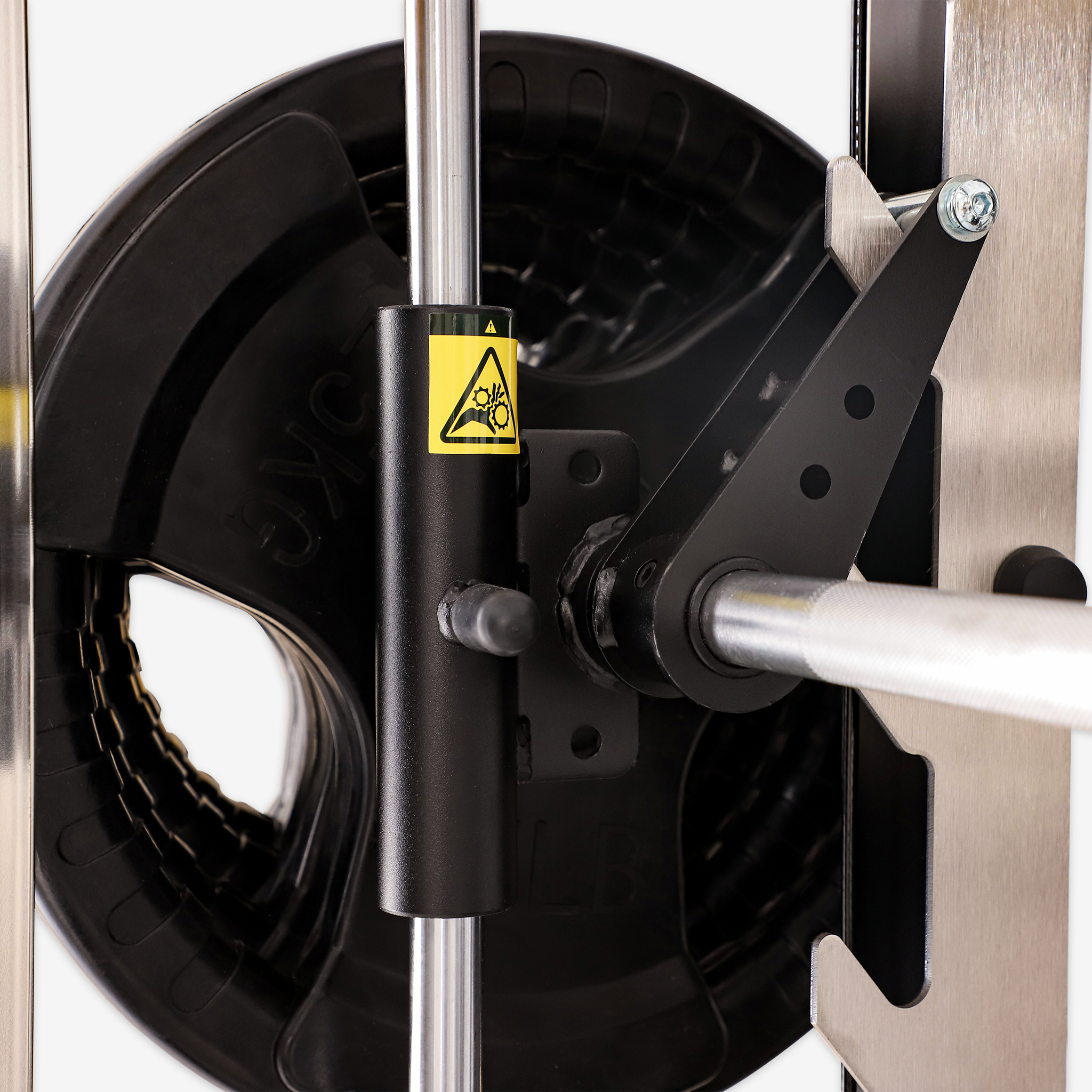
Stand tall and rotate the bar to unlock it from the hooks.
Take a stable stance before starting your reps.
Step 5: Lower Into the Squat
Slowly bend your knees and hips simultaneously.
Keep:
- Chest up
- Knees tracking over toes
- Spine neutral
- Elbows elevated
Lower until thighs reach parallel or slightly below parallel.
Step 6: Drive Back Up
Push through your midfoot and heels while extending knees and hips together.
Squeeze your quads and glutes at the top before repeating.
Common Smith Machine Front Squat Mistakes
Leaning Too Far Forward
Dropping the chest forward shifts tension away from the quads and increases lower-back strain.
Fix:
Keep elbows high and core braced throughout the movement.
Shallow Squat Depth
Partial reps reduce muscle activation and limit leg development.
Fix:
Aim for thighs parallel to the floor or deeper if mobility allows.
Knees Collapsing Inward
Knee valgus creates joint stress and reduces force production.
Fix:
Push knees outward in line with your toes.
Using Too Much Weight
Heavy weight with poor form reduces quad activation and increases injury risk.
Fix:
Master technique before progressing load.
Rushing Repetitions
Fast reps reduce muscle tension and control.
Fix:
Use slow, controlled movement with consistent tempo.
Smith Machine Front Squat vs Back Squat
Smith Machine Front Squat
Best for:
- Quad development
- Upright posture
- Beginners
- Lower-back friendly training
- Controlled hypertrophy work
Back Squat
Best for:
- Overall lower-body strength
- Powerlifting
- Posterior chain development
- Athletic performance
Both exercises are valuable, but the smith machine front squat is often better for targeted quad growth and safer squat practice.
Best Rep Ranges for Smith Machine Front Squats
For Muscle Growth
- 3–4 sets
- 8–12 reps
- Moderate-heavy weight
For Strength
- 4–5 sets
- 4–6 reps
- Heavy weight
For Endurance & Toning
- 3 sets
- 12–15 reps
- Light-moderate weight
Beginner Smith Machine Front Squat Workout
Leg Day Routine
Smith Machine Front Squat
4 sets × 10 reps
Romanian Deadlift
3 sets × 12 reps
Walking Lunges
3 sets × 10 reps per leg
Leg Curl
3 sets × 12 reps
Standing Calf Raise
4 sets × 15 reps
Rest 60–90 seconds between sets.
Is the Smith Machine Front Squat Good for Beginners?
Yes — the smith machine front squat is one of the best beginner-friendly squat variations available.
The fixed bar path:
- Improves stability
- Reduces balance challenges
- Encourages better posture
- Builds squat confidence safely
It allows beginners to focus on learning proper movement mechanics before transitioning to free-weight front squats.
FAQs About Smith Machine Front Squats
Is the smith machine front squat effective?
Absolutely. The smith machine front squat effectively builds quad strength, improves squat mechanics, and supports lower-body hypertrophy with reduced stabilization demands.
Are smith machine front squats safer than barbell front squats?
For many gym users, yes. The fixed movement path improves balance and lowers the risk of losing control of the bar during heavy sets.
What muscles do smith machine front squats target most?
The quadriceps are the primary target, while glutes, hamstrings, core, and upper back muscles also contribute throughout the movement.
Can you build big legs with smith machine front squats?
Yes. When combined with progressive overload, proper nutrition, and consistent training, smith machine front squats are highly effective for building stronger, more muscular legs.
Final Thoughts
The smith machine front squat is one of the most underrated lower-body exercises for building stronger quads, improving squat form, and training safely with controlled movement. Its guided stability makes it perfect for beginners, while advanced lifters can use it for high-volume hypertrophy work and targeted leg development.
Whether your goal is muscle growth, athletic performance, improved squat mechanics, or safer training, adding the smith machine front squat to your routine can deliver noticeable improvements in lower-body strength, muscle definition, and overall lifting confidence.