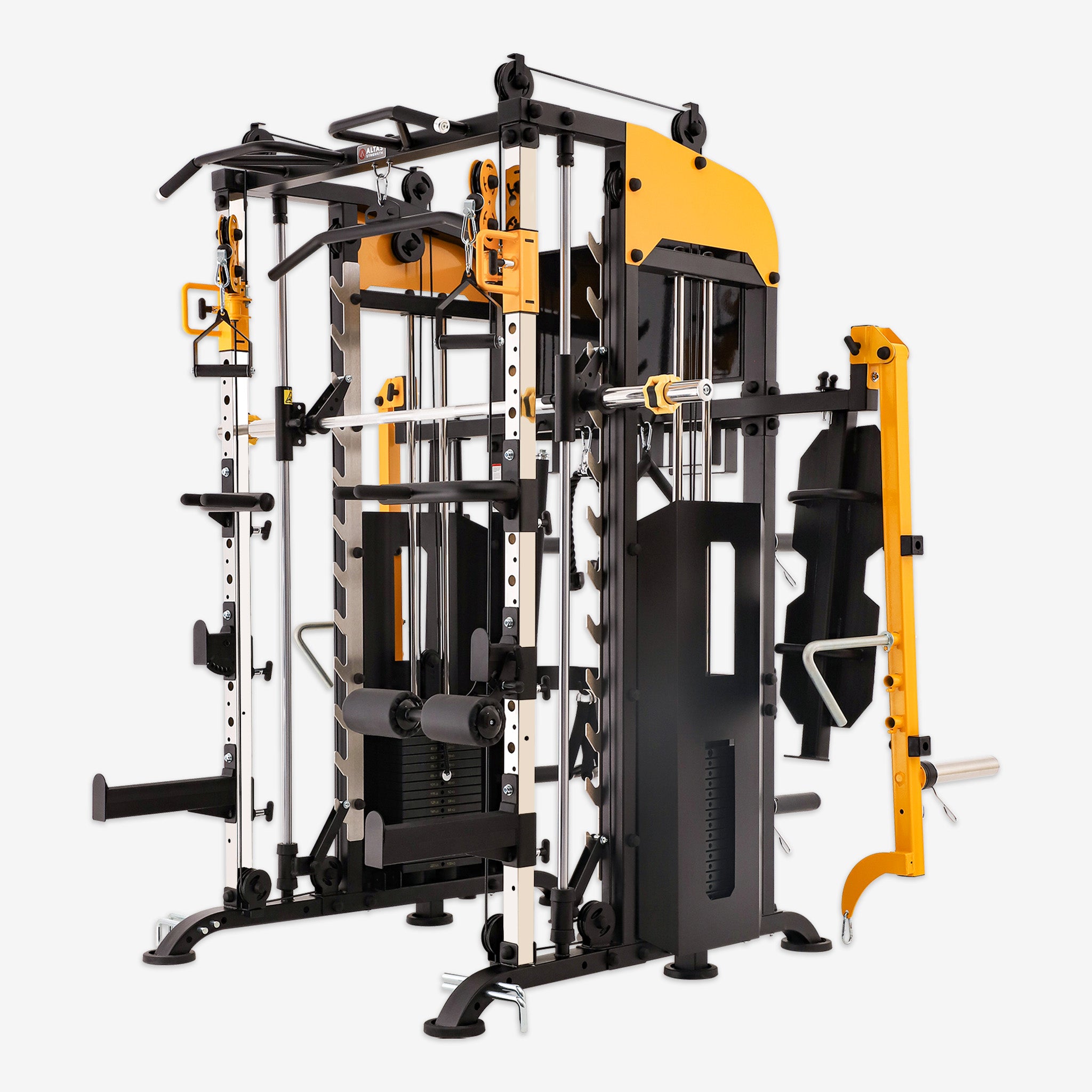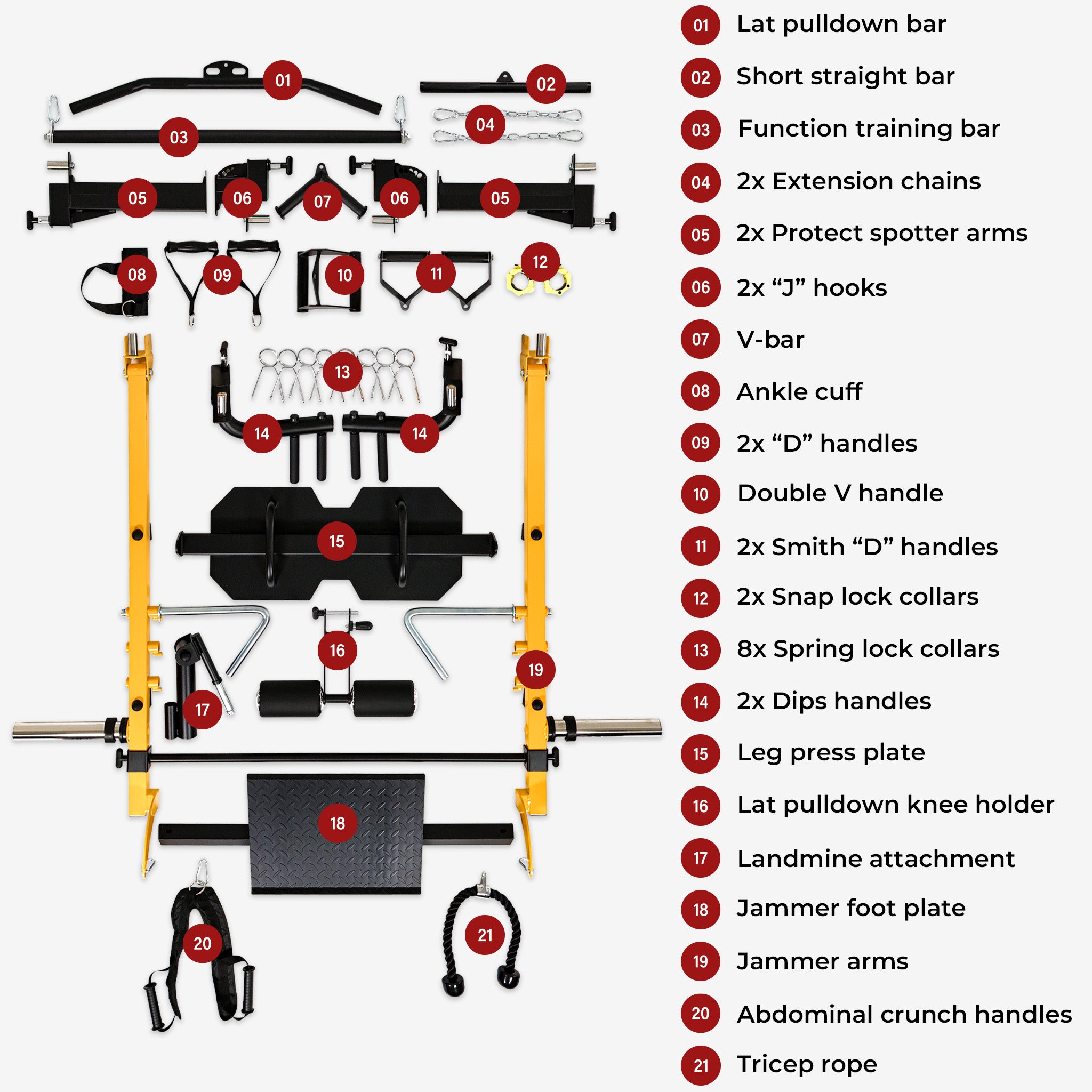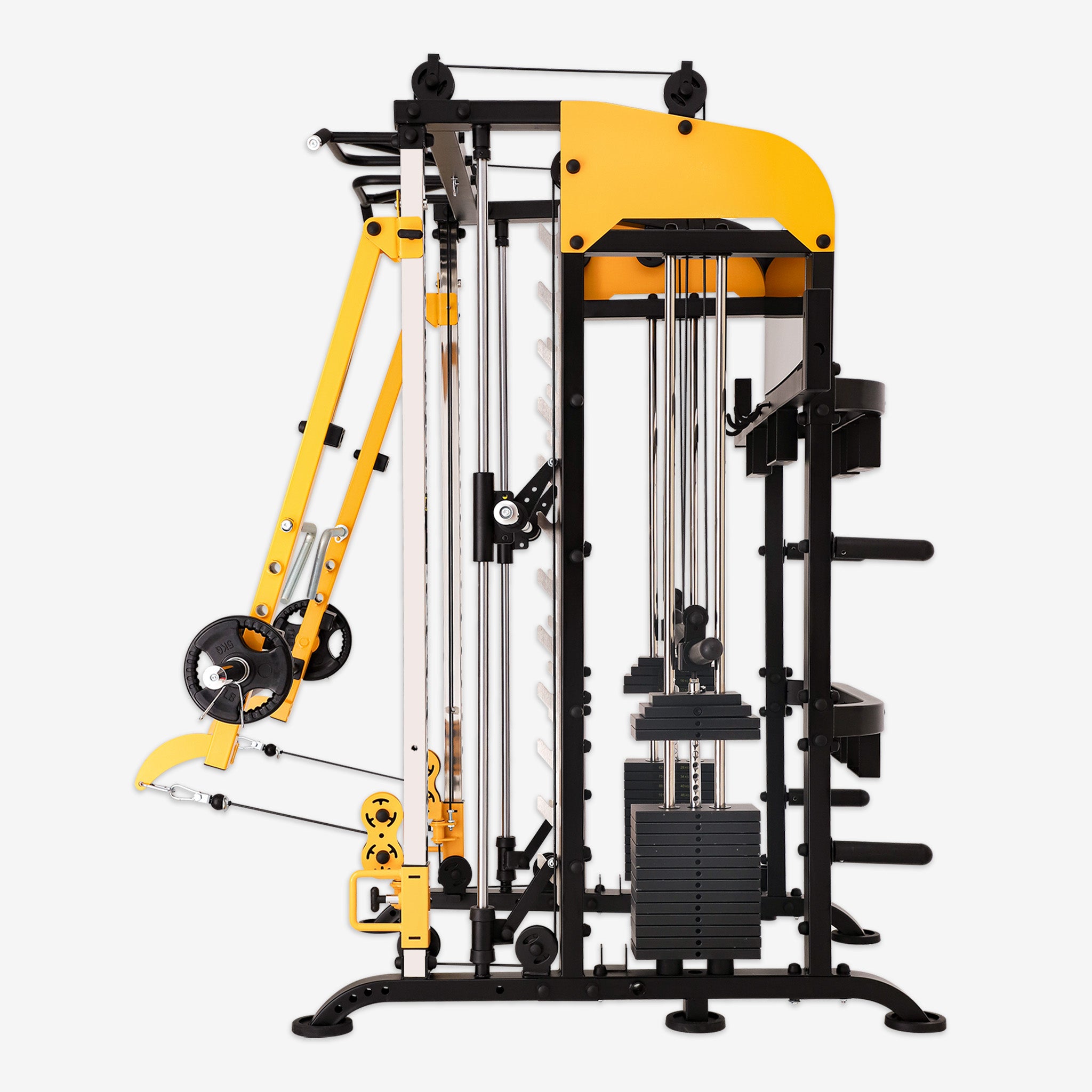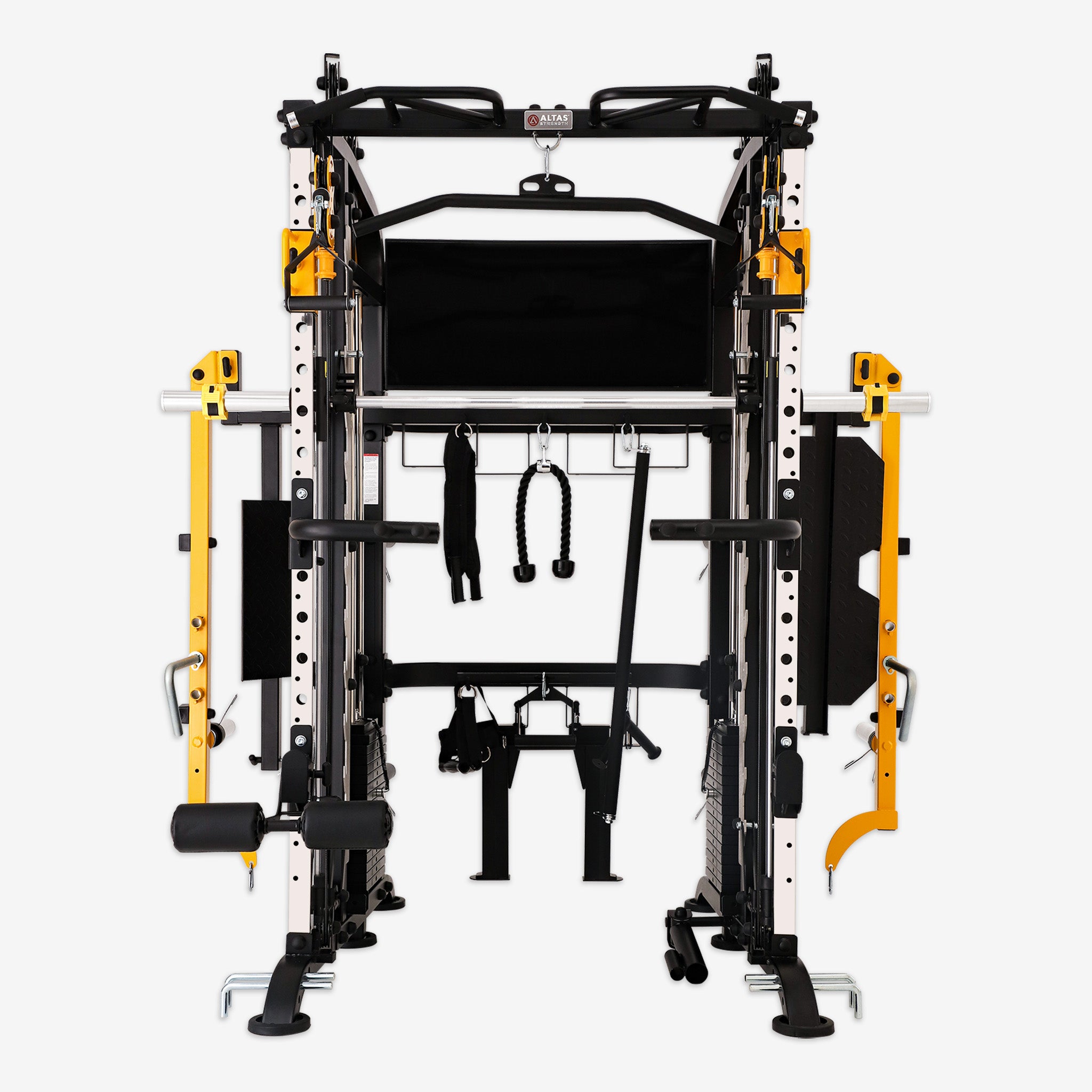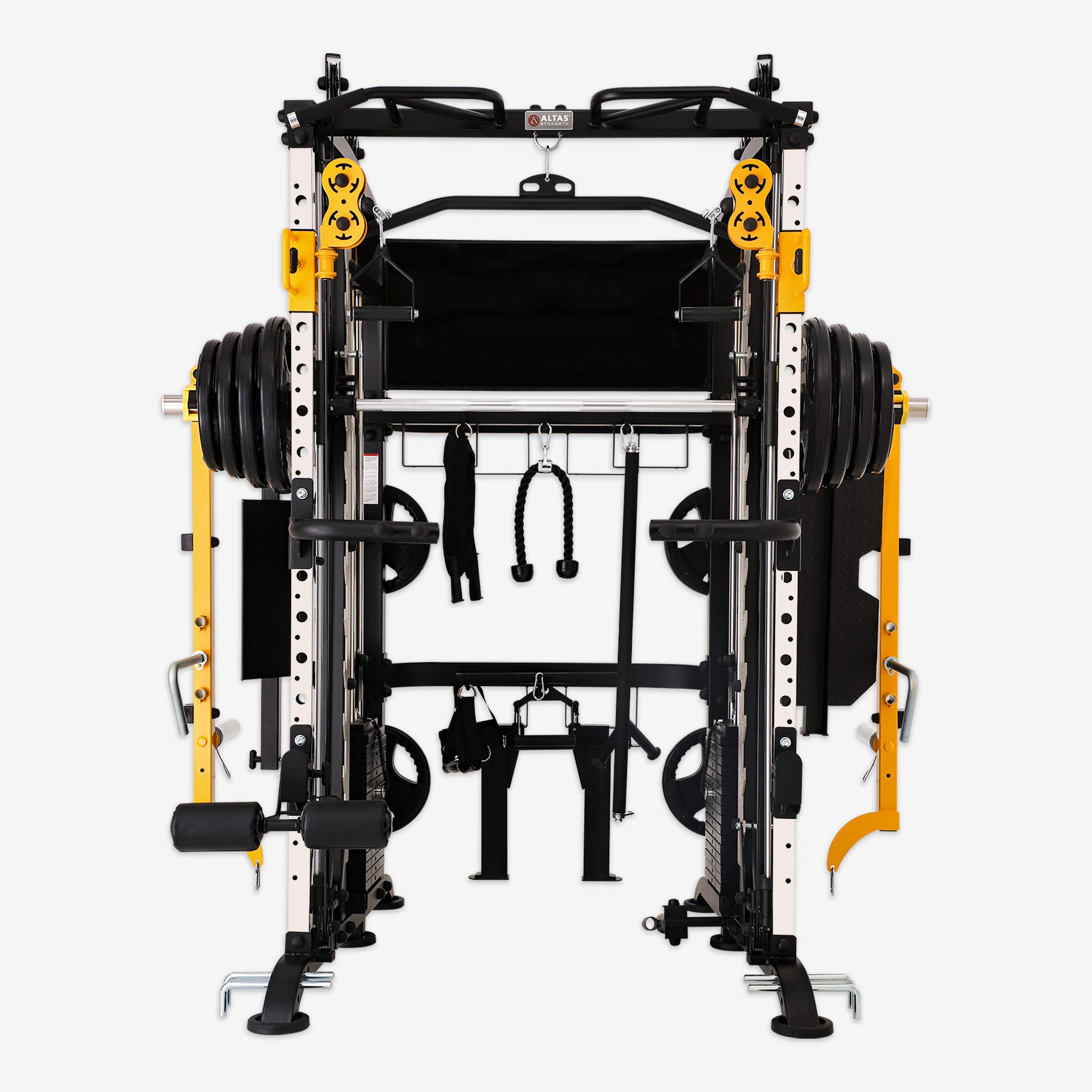
The smith machine shoulder press is one of the most effective upper-body exercises for building shoulder size, pressing strength, and upper-body stability. Whether you're training for muscle growth, strength, posture improvement, or shoulder definition, understanding the smith machine shoulder press muscles worked helps maximize results while reducing injury risk.
Unlike free-weight overhead presses, the Smith machine stabilizes the bar path, allowing you to focus entirely on shoulder muscle activation instead of balancing the weight. This makes it ideal for beginners, intermediate lifters, and advanced bodybuilders looking for controlled hypertrophy training.
In this complete guide, we break down exactly which muscles the smith machine shoulder press works, how to perform it correctly, common mistakes, benefits, and the best workout strategies for shoulder growth.
What Muscles Does the Smith Machine Shoulder Press Work?
The smith machine shoulder press primarily targets the shoulder muscles while activating several upper-body supporting muscles.
Primary Muscles Worked
1. Anterior Deltoid (Front Delts)
The anterior deltoid is the main muscle activated during the smith machine shoulder press.
Functions:
- Raises the arms overhead
- Drives pressing strength
- Builds front shoulder size
This muscle receives the highest tension throughout the movement, especially during the upward pressing phase.
2. Lateral Deltoid (Side Delts)
The lateral deltoids help stabilize the shoulders and create wider-looking shoulders.
Benefits:
- Improves shoulder width
- Creates broader upper-body appearance
- Enhances shoulder symmetry
A controlled pressing angle increases side delt activation significantly.
3. Posterior Deltoid (Rear Delts)
Although not the primary mover, the rear delts assist with shoulder stabilization during the exercise.
Benefits:
- Improves posture
- Supports shoulder joint stability
- Balances shoulder development
Secondary Muscles Worked
4. Triceps Brachii
The triceps extend the elbows during the pressing motion.
Without strong triceps:
- Lockout strength decreases
- Shoulder press power weakens
- Upper-body pressing suffers
The smith machine shoulder press heavily activates the triceps during the top half of each rep.
5. Upper Trapezius
The upper traps stabilize the neck and shoulder girdle throughout the movement.
Benefits:
- Supports shoulder control
- Improves upper-body stability
- Assists overhead movement
6. Upper Chest (Clavicular Pectoralis Major)
The upper chest assists slightly, especially during incline-style pressing angles.
This creates:
- Better upper chest fullness
- Improved pressing strength
- More complete upper-body development
7. Core Stabilizers
Even though the Smith machine stabilizes the bar, the core still works to maintain posture and spinal alignment.
Activated muscles include:
- Rectus abdominis
- Obliques
- Lower back stabilizers
Why the Smith Machine Shoulder Press Is So Effective
1. Greater Muscle Isolation
The fixed vertical track removes balance demands, allowing more direct shoulder activation.
This increases:
- Time under tension
- Muscle contraction quality
- Hypertrophy potential
2. Safer Than Free Weights for Many Lifters
The Smith machine reduces:
- Bar instability
- Shoulder wobble
- Failed rep danger
This is especially helpful for:
- Beginners
- Solo gym training
- High-volume hypertrophy work
3. Easier Progressive Overload
Because movement stays controlled, you can:
- Add weight consistently
- Track progression accurately
- Push closer to failure safely
Proper Smith Machine Shoulder Press Form
Step 1: Setup
- Adjust bench upright or slightly inclined
- Position the bar at chin height
- Grip slightly wider than shoulder width
- Keep feet flat on floor
Step 2: Starting Position
- Keep chest lifted
- Brace core tightly
- Elbows slightly forward
- Wrists neutral
Step 3: Press Upward
- Push the bar vertically overhead
- Avoid locking elbows aggressively
- Keep movement smooth and controlled
Step 4: Lower Slowly
- Lower bar to upper chin or nose level
- Control eccentric tension
- Avoid bouncing
Best Rep Range for Shoulder Growth
Muscle Hypertrophy
- 3–4 sets
- 8–12 reps
Strength Training
- 4–5 sets
- 4–6 reps
Shoulder Endurance
- 2–3 sets
- 15–20 reps
Common Smith Machine Shoulder Press Mistakes
Pressing Behind the Neck
This position creates unnecessary shoulder strain and increases injury risk.
Always press in front of the face.
Arching the Lower Back
Overarching shifts tension away from shoulders and stresses the spine.
Keep core tight and ribs down.
Using Momentum
Fast bouncing reps reduce shoulder activation.
Use slow, controlled movement throughout every repetition.
Lowering Too Deep
Dropping the bar excessively low stresses the shoulder joint unnecessarily.
Lower only to comfortable shoulder depth.
Smith Machine Shoulder Press vs Dumbbell Shoulder Press
Smith Machine Advantages
- More stability
- Safer solo training
- Better isolation
- Easier progressive overload
Dumbbell Advantages
- More stabilizer activation
- Greater freedom of movement
- Functional coordination benefits
The best approach is combining both exercises for complete shoulder development.
Beginner Smith Machine Shoulder Workout
Shoulder-Focused Routine
Smith Machine Shoulder Press — 4x10
Lateral Raises — 3x15
Rear Delt Flyes — 3x15
Front Raises — 3x12
Face Pulls — 3x15
Rest:
60–90 seconds between sets.
FAQs About Smith Machine Shoulder Press Muscles Worked
What muscles do smith machine shoulder presses work most?
The primary muscles worked are:
- Anterior deltoids
- Lateral deltoids
- Triceps
Secondary muscles include traps, upper chest, and core stabilizers.
Is the smith machine shoulder press good for building shoulders?
Yes. The stable movement pattern allows excellent muscle isolation, controlled overload, and safe high-volume training for shoulder hypertrophy.
Is smith machine shoulder press safer than dumbbells?
For many lifters, yes. The fixed track reduces instability and failed-rep risk, especially for beginners or solo workouts.
Should beginners use smith machine shoulder press?
Absolutely. It helps beginners learn pressing mechanics safely while building foundational shoulder strength.
Final Thoughts
The smith machine shoulder press is one of the best exercises for building stronger, rounder, and more defined shoulders safely and efficiently.
Understanding the full smith machine shoulder press muscles worked allows you to:
- Improve shoulder hypertrophy
- Increase pressing strength
- Train more safely
- Build balanced upper-body development
By combining proper form, controlled reps, and progressive overload, the smith machine shoulder press can become a cornerstone movement for long-term shoulder growth and upper-body performance.