Introduction
When it comes to building a stronger, fuller, and more sculpted lower body, few exercises are as effective as squats for glutes. This classic movement has earned its reputation as one of the most powerful exercises for developing glute strength, improving lower-body function, and creating a more balanced physique.
Whether you're training at home, in a commercial gym, or using a Smith machine, incorporating squats for glutes into your workout routine can help you achieve noticeable improvements in muscle tone, strength, and overall athletic performance.
Why Squats for Glutes Work So Well
The glutes are the largest muscle group in the human body and play a critical role in nearly every lower-body movement. Strong glutes support your hips, stabilize your pelvis, protect your lower back, and improve overall movement efficiency.
While standard squats engage multiple muscles, including the quadriceps, hamstrings, and core, proper squats for glutes place greater emphasis on the gluteus maximus, gluteus medius, and gluteus minimus.
Benefits of glute-focused squats include:
-
Increased glute size and shape
-
Improved lower-body strength
-
Better hip mobility
-
Enhanced athletic performance
-
Reduced lower back stress
-
Improved posture and balance
-
Greater calorie burn through compound movement training
How to Perform Squats for Glutes Properly
Proper technique is the key to maximizing glute activation during squats.
Step 1: Create a Wider Stance
Position your feet slightly wider than shoulder-width apart. Turn your toes outward about 20 to 45 degrees to allow your hips to open naturally throughout the movement.
A wider stance shifts more emphasis toward the glutes and inner thighs compared to a narrow squat stance.
Step 2: Push Your Hips Back First
Before bending your knees, initiate the movement by driving your hips backward.
Imagine sitting into a chair behind you. This hip-dominant movement stretches the glutes and increases muscle activation throughout the squat.
Step 3: Squat Deep
Lower your body until your thighs are at least parallel to the floor. If mobility allows, going deeper can create even greater glute activation.
Deep squats place the glutes under a larger stretch, which can promote better muscle growth over time.
Step 4: Drive Through Your Heels
As you stand back up, push through your heels rather than your toes.
Driving through your heels transfers more force to the glutes and hamstrings while reducing unnecessary stress on the knees.
Step 5: Squeeze Your Glutes at the Top
Finish each repetition by fully extending your hips and consciously contracting your glute muscles.
This small adjustment can significantly improve the effectiveness of your squats for glutes.
Best Squat Variations for Glute Growth
1. Bodyweight Squats
Perfect for beginners, bodyweight squats allow you to master technique before adding resistance.
Recommended:
-
3–4 sets
-
15–20 repetitions
2. Goblet Squats
Holding a dumbbell or kettlebell in front of your chest helps maintain an upright torso and encourages deeper squats.
Benefits:
-
Greater glute activation
-
Improved core engagement
-
Beginner-friendly
3. Barbell Back Squats
Barbell squats allow progressive overload, making them one of the best exercises for long-term glute development.
Recommended:
-
3–5 sets
-
6–12 repetitions
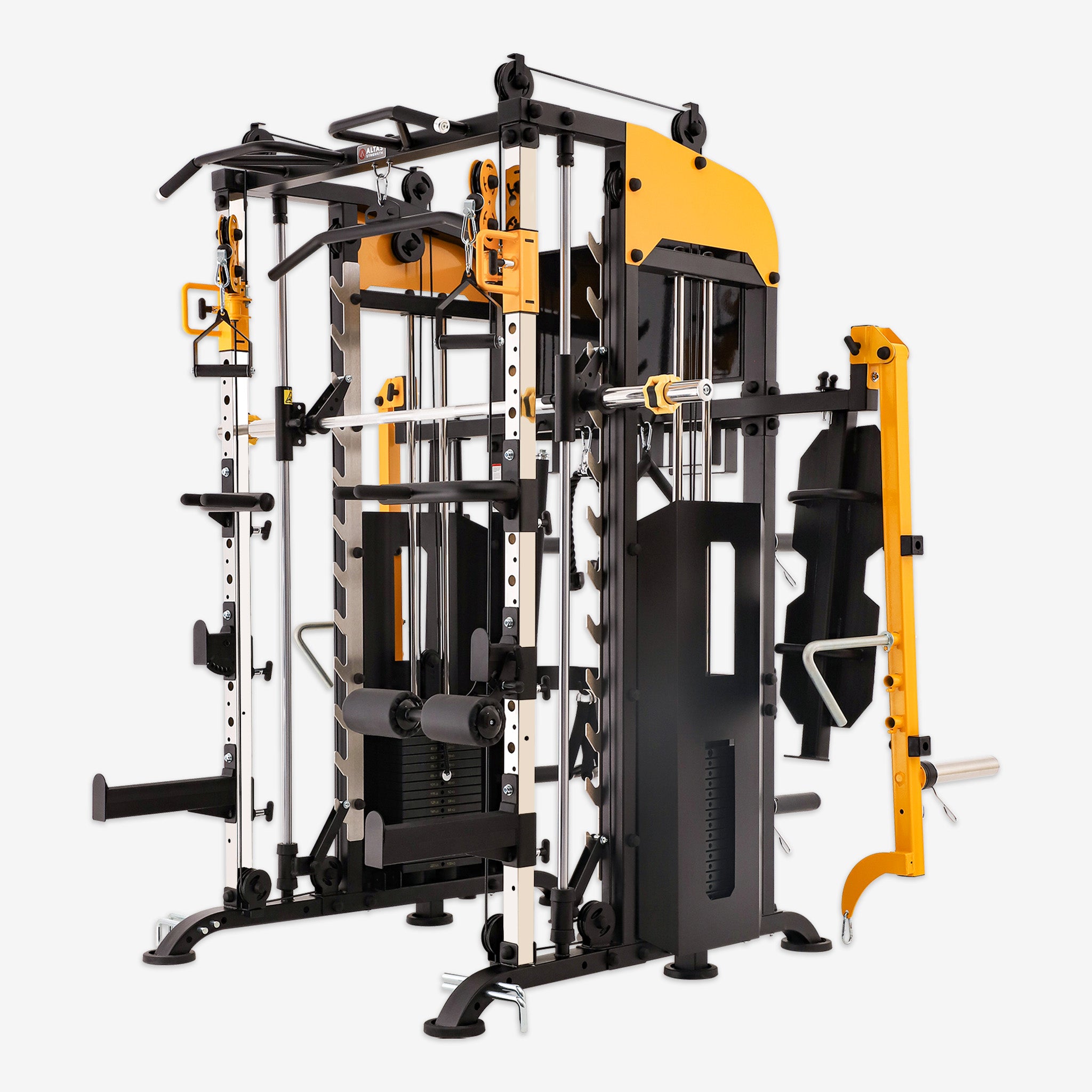
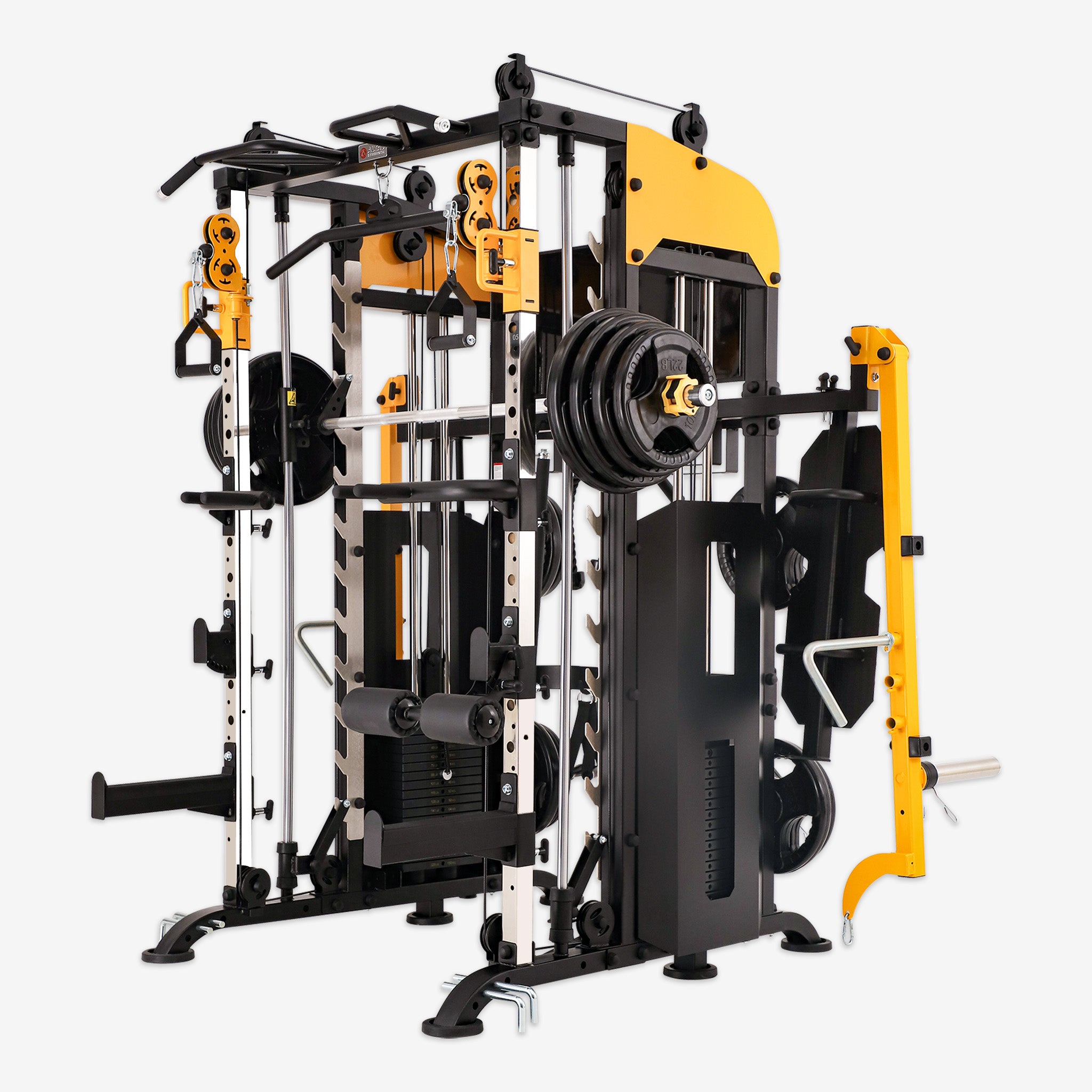
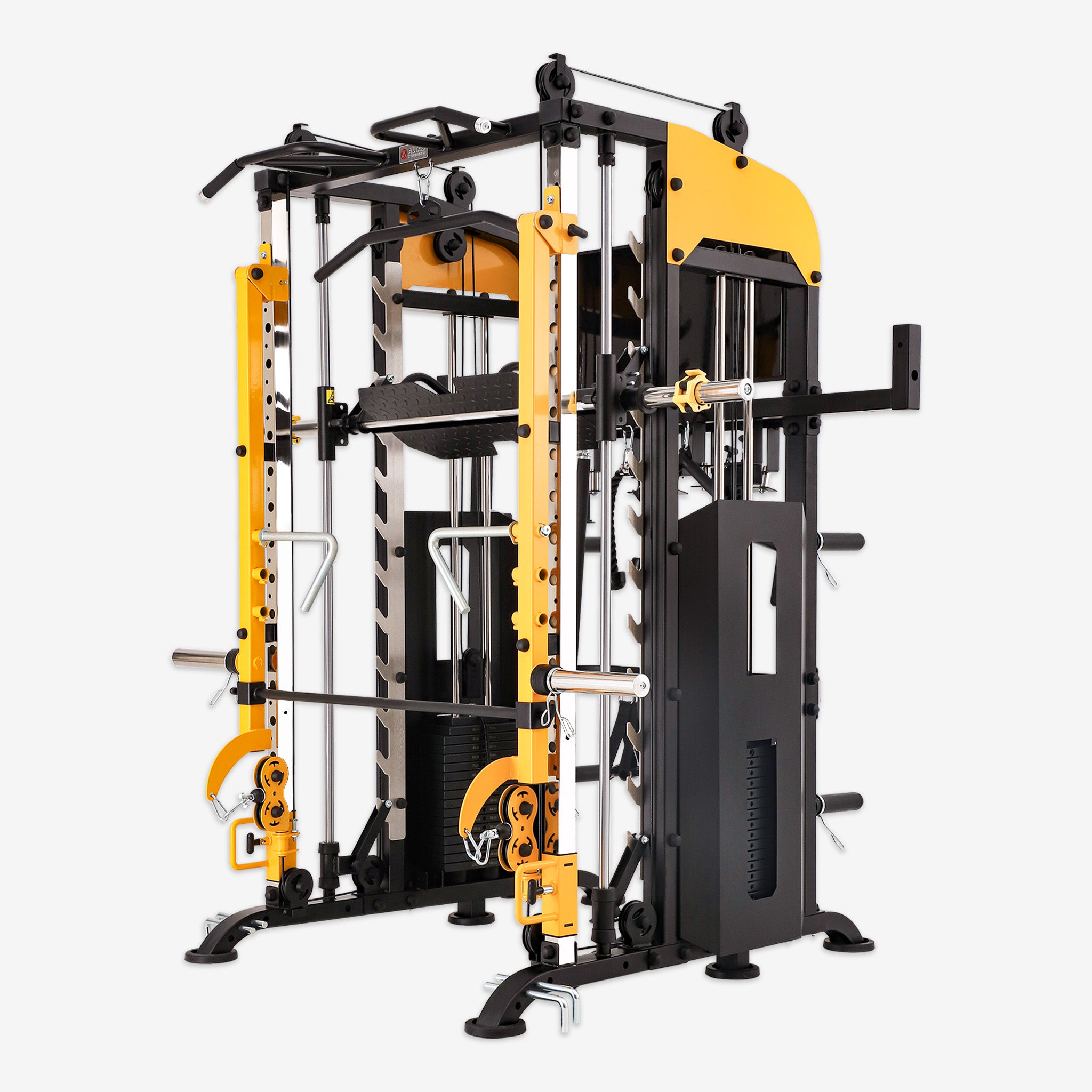
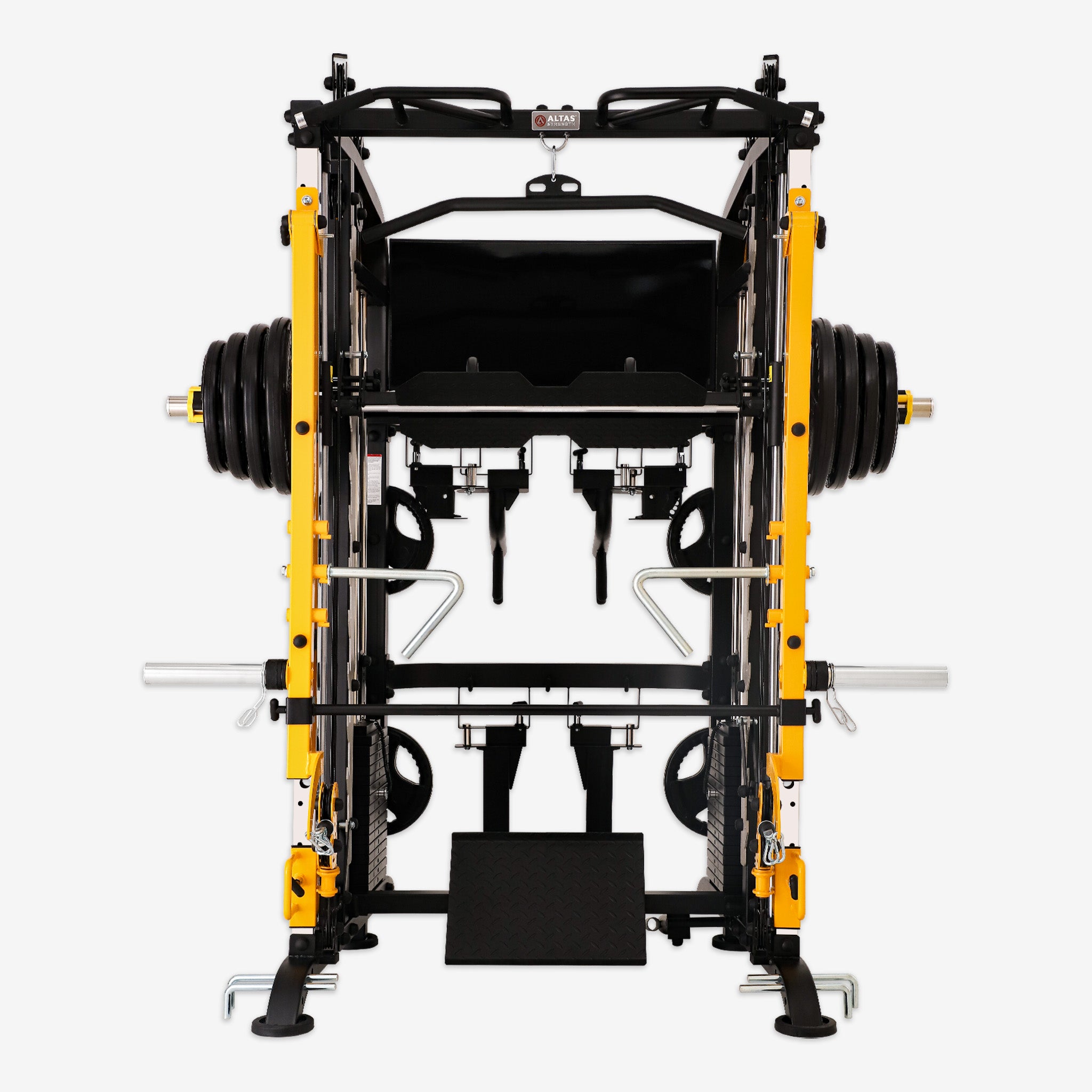
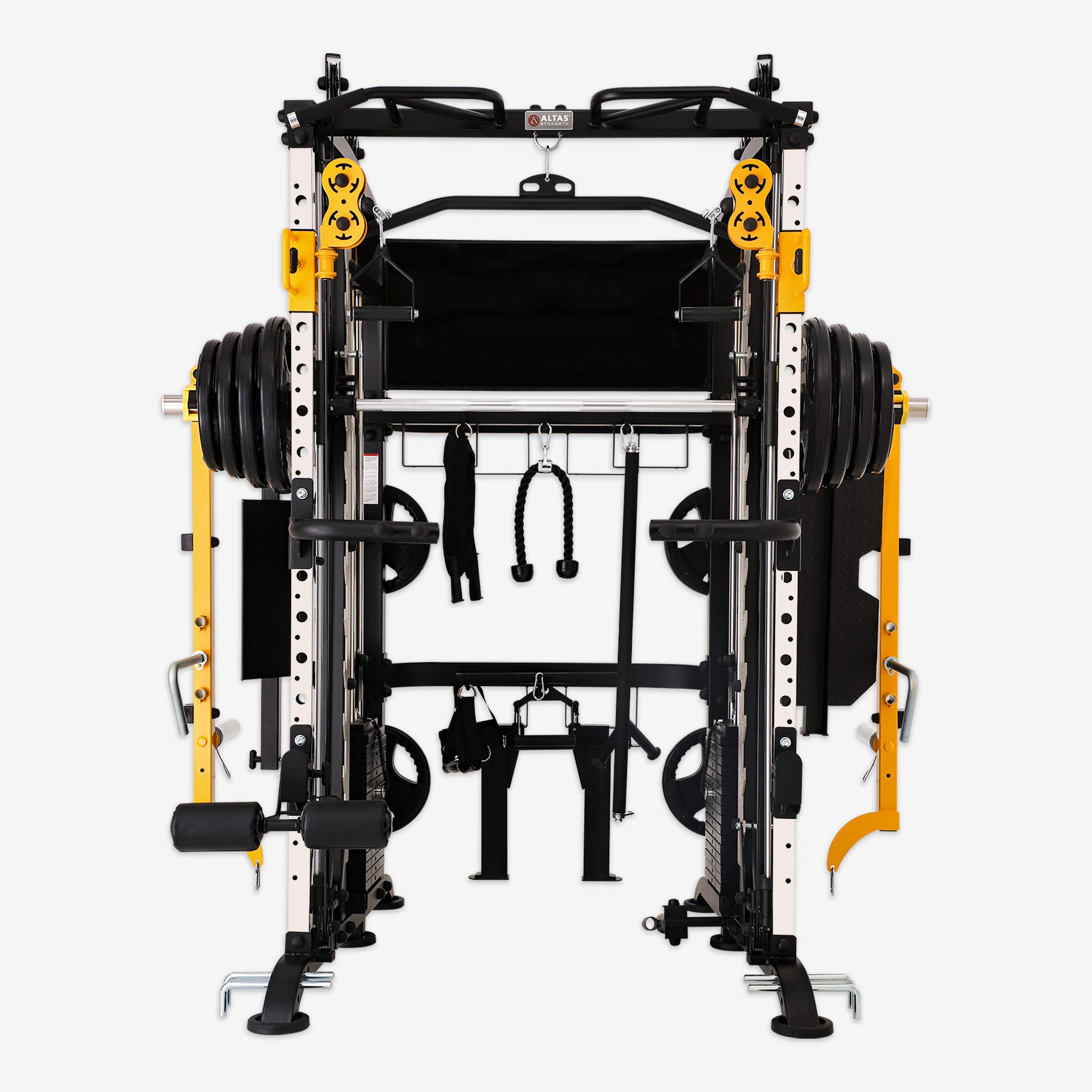
4. Smith Machine Squats
Smith machine squats provide added stability and allow you to focus entirely on glute engagement without worrying about balancing the bar.
Benefits:
-
Safer for solo training
-
Easier to maintain proper form
-
Excellent for beginners and intermediate lifters
5. Sumo Squats
Using an extra-wide stance increases activation of both the glutes and inner thighs.
This variation is especially popular among individuals focused on lower-body shaping and muscle toning.
Common Mistakes That Reduce Glute Activation
Even experienced gym-goers often make mistakes that shift tension away from the glutes.
Squatting Too Shallow
Partial squats limit the stretch placed on the glutes and reduce overall muscle recruitment.
Letting Knees Collapse Inward
Keep your knees tracking in line with your toes throughout the movement.
Leaning Too Far Forward
Excessive forward lean shifts tension toward the lower back and away from the glutes.
Pushing Through Your Toes
Always emphasize heel pressure to maximize glute involvement.
Rushing Repetitions
Slow, controlled reps create more muscle tension and better results.
Sample Glute-Focused Squat Workout
Warm-Up
-
Bodyweight Squats: 2 sets x 15 reps
-
Glute Bridges: 2 sets x 15 reps
Main Workout
-
Barbell Squats: 4 sets x 8–10 reps
-
Smith Machine Squats: 3 sets x 10–12 reps
-
Goblet Squats: 3 sets x 12–15 reps
Finisher
-
Walking Lunges: 3 sets x 20 steps
-
Glute Bridges: 3 sets x 15 reps
Perform this workout 2–3 times per week for optimal glute development.
Frequently Asked Questions
Are squats enough to build glutes?
Squats are highly effective, but combining them with exercises like hip thrusts, lunges, Romanian deadlifts, and step-ups can accelerate glute growth and improve overall muscle balance.
How often should I do squats for glutes?
Most people see excellent results training glutes 2–3 times per week with adequate recovery between sessions.
Are Smith machine squats good for glutes?
Yes. Smith machine squats can be extremely effective for glute development because the fixed bar path allows you to focus on depth, heel drive, and muscle contraction.
How long does it take to see glute growth?
With consistent training, proper nutrition, and progressive overload, noticeable improvements typically appear within 6–12 weeks.
Final Thoughts
Squats for glutes remain one of the most effective exercises for building a stronger, firmer, and more athletic lower body. By focusing on proper technique, training consistently, and gradually increasing resistance, you can maximize glute activation and achieve impressive results.
Whether you choose bodyweight squats, barbell squats, goblet squats, or Smith machine squats, making squats for glutes a regular part of your fitness routine will help you build strength, improve movement quality, and create the sculpted lower body you want.