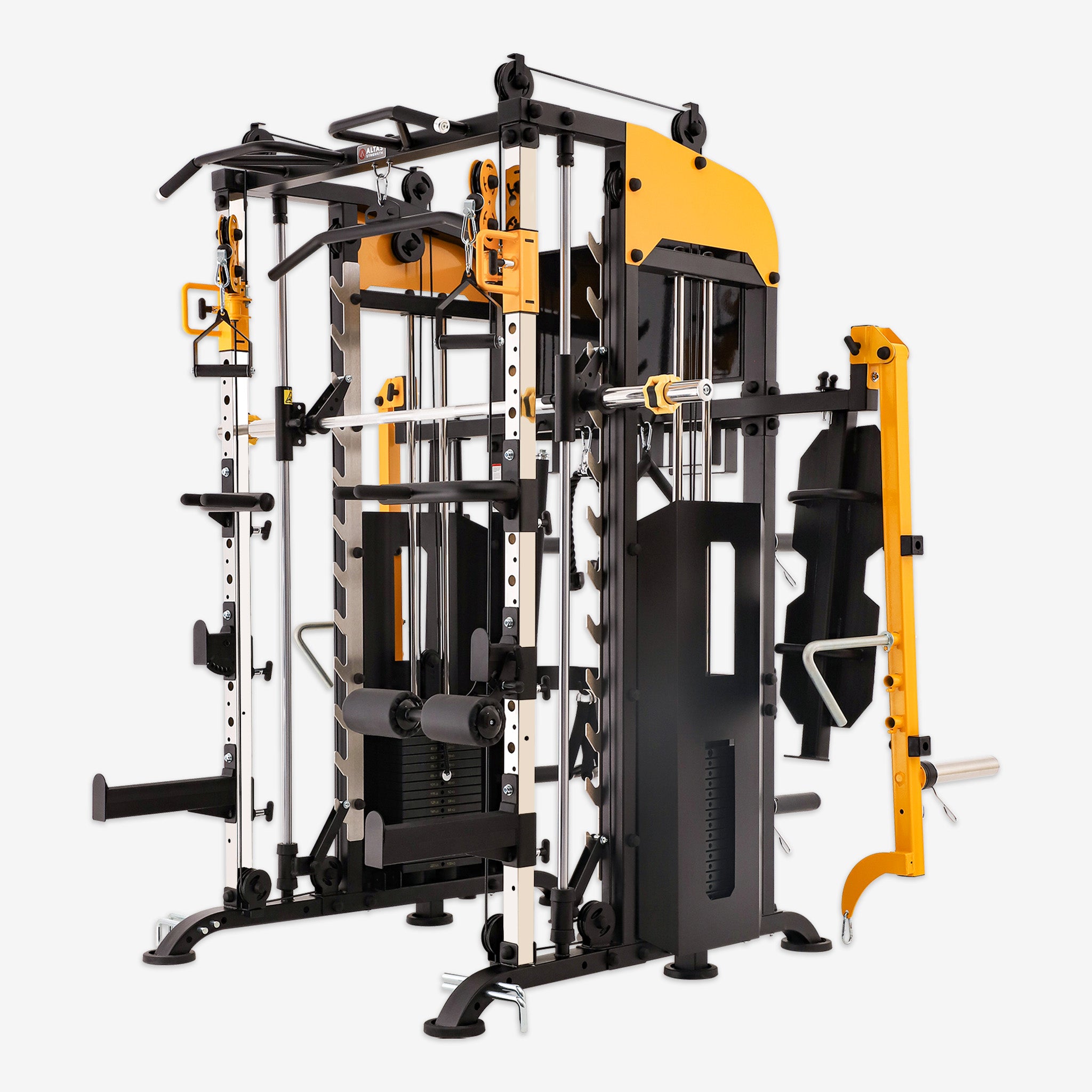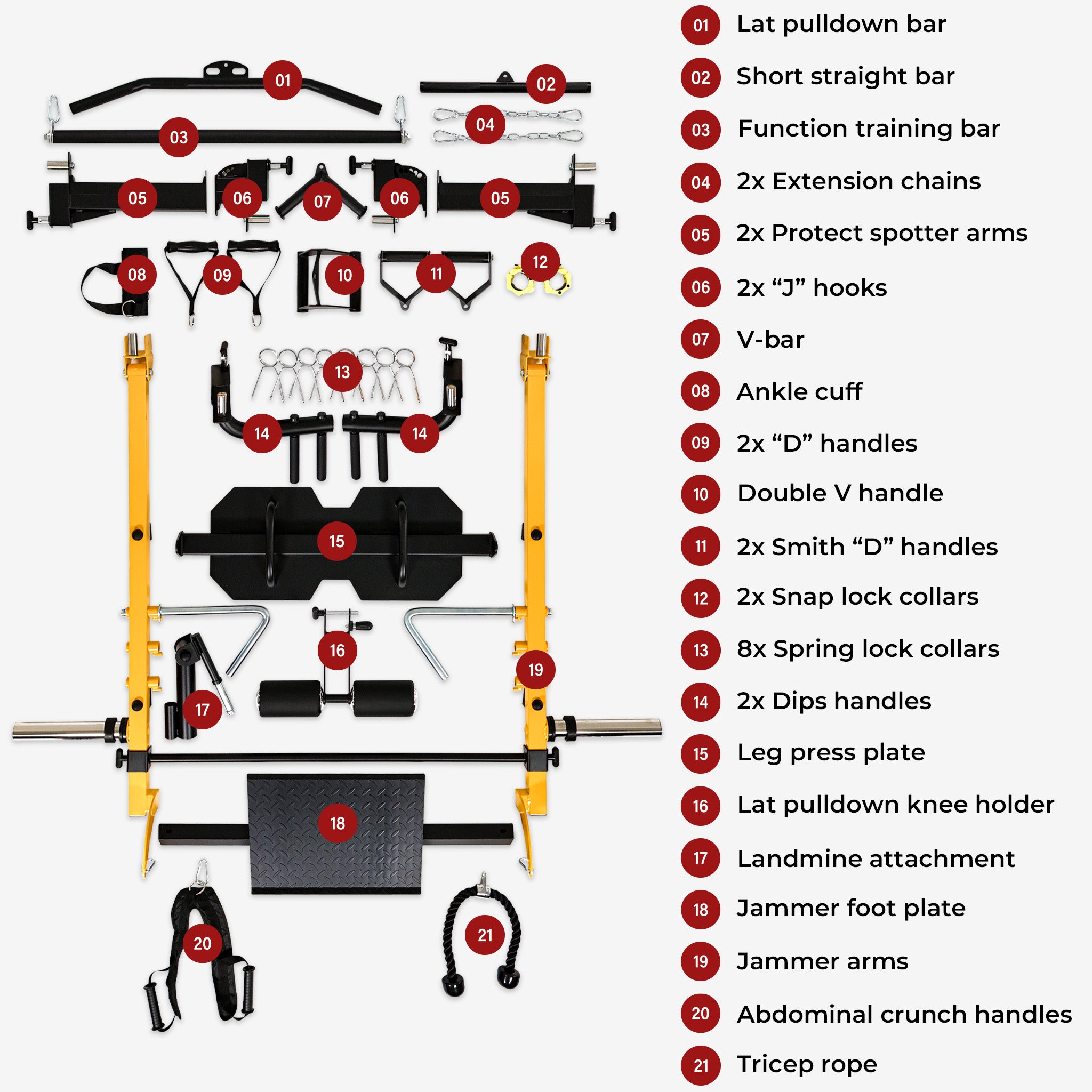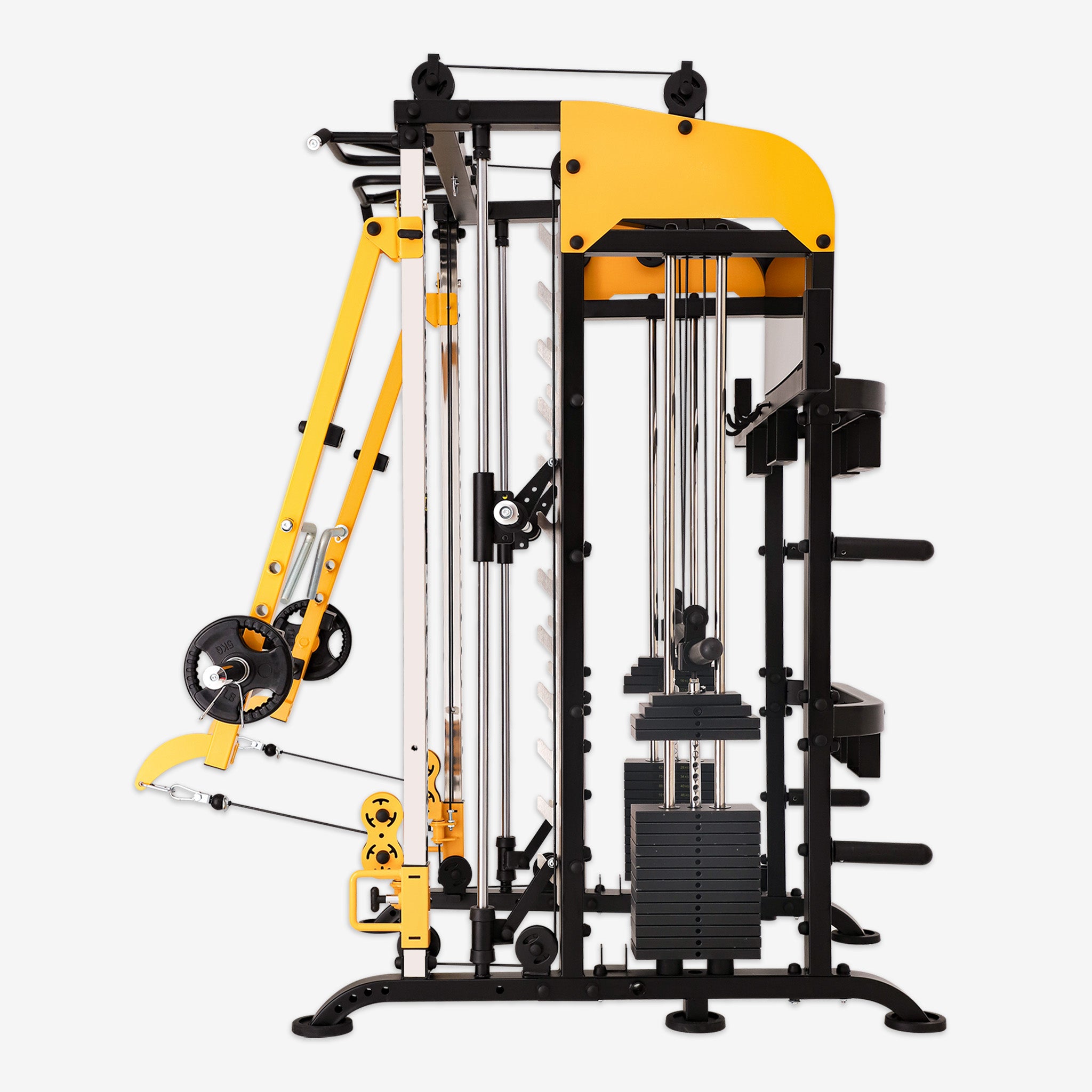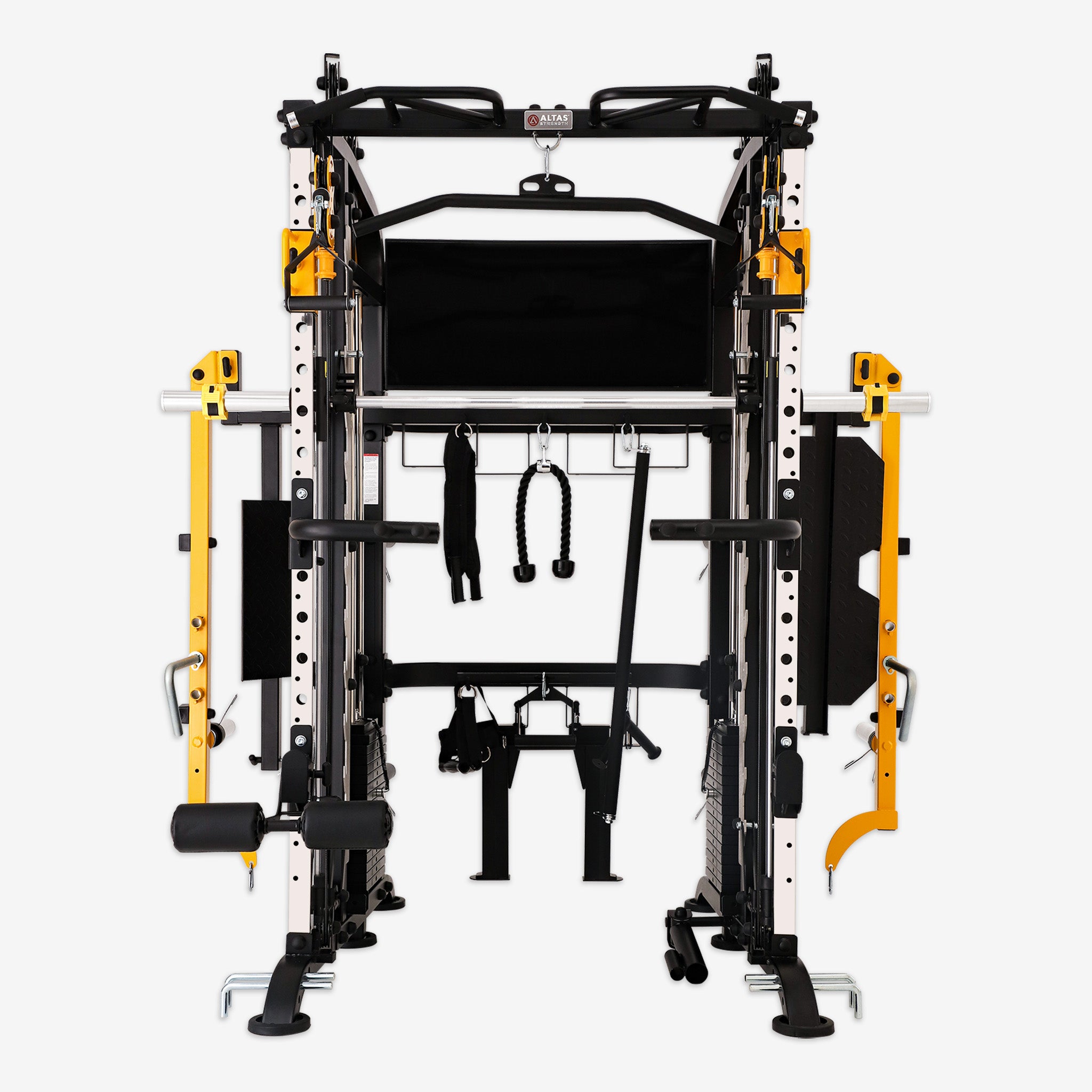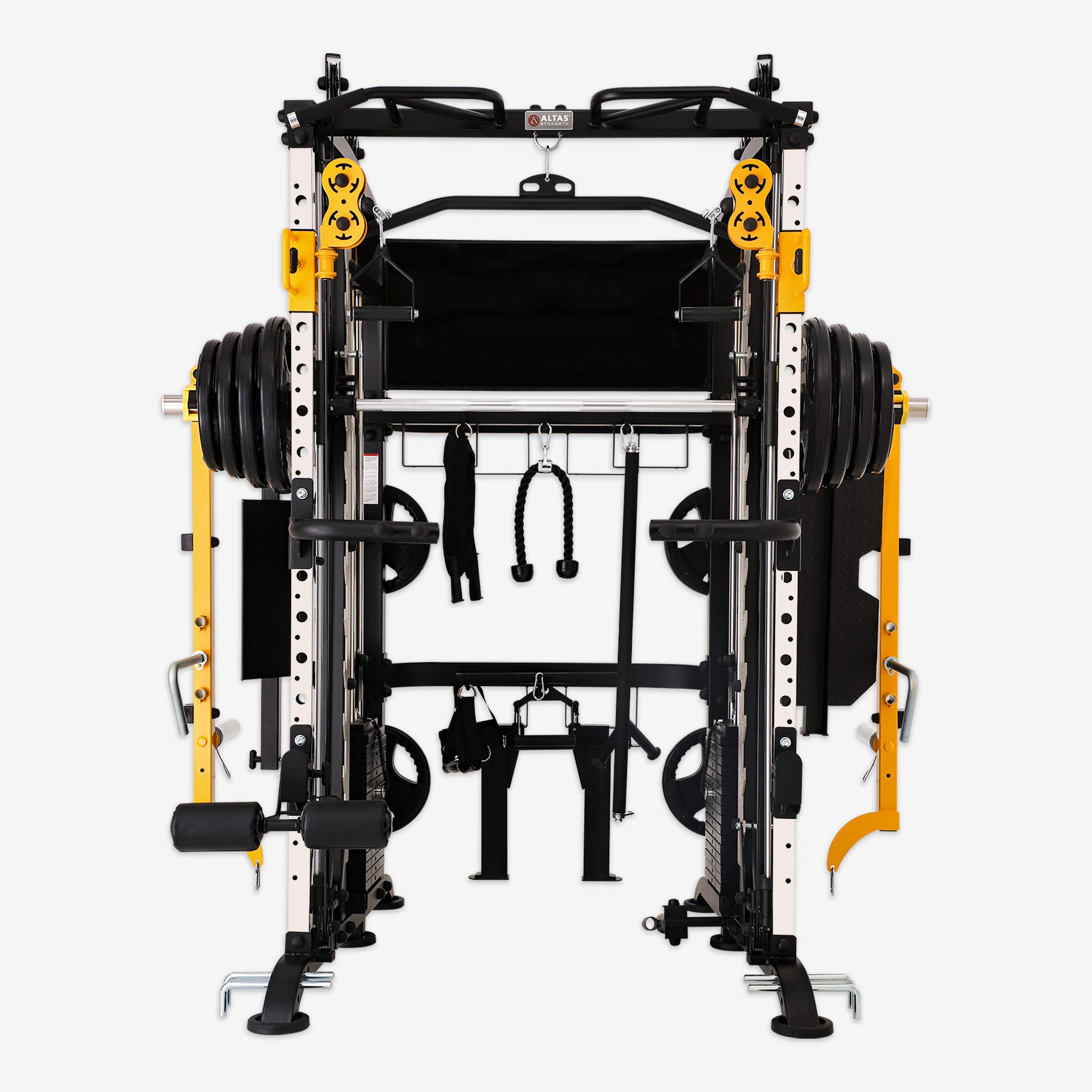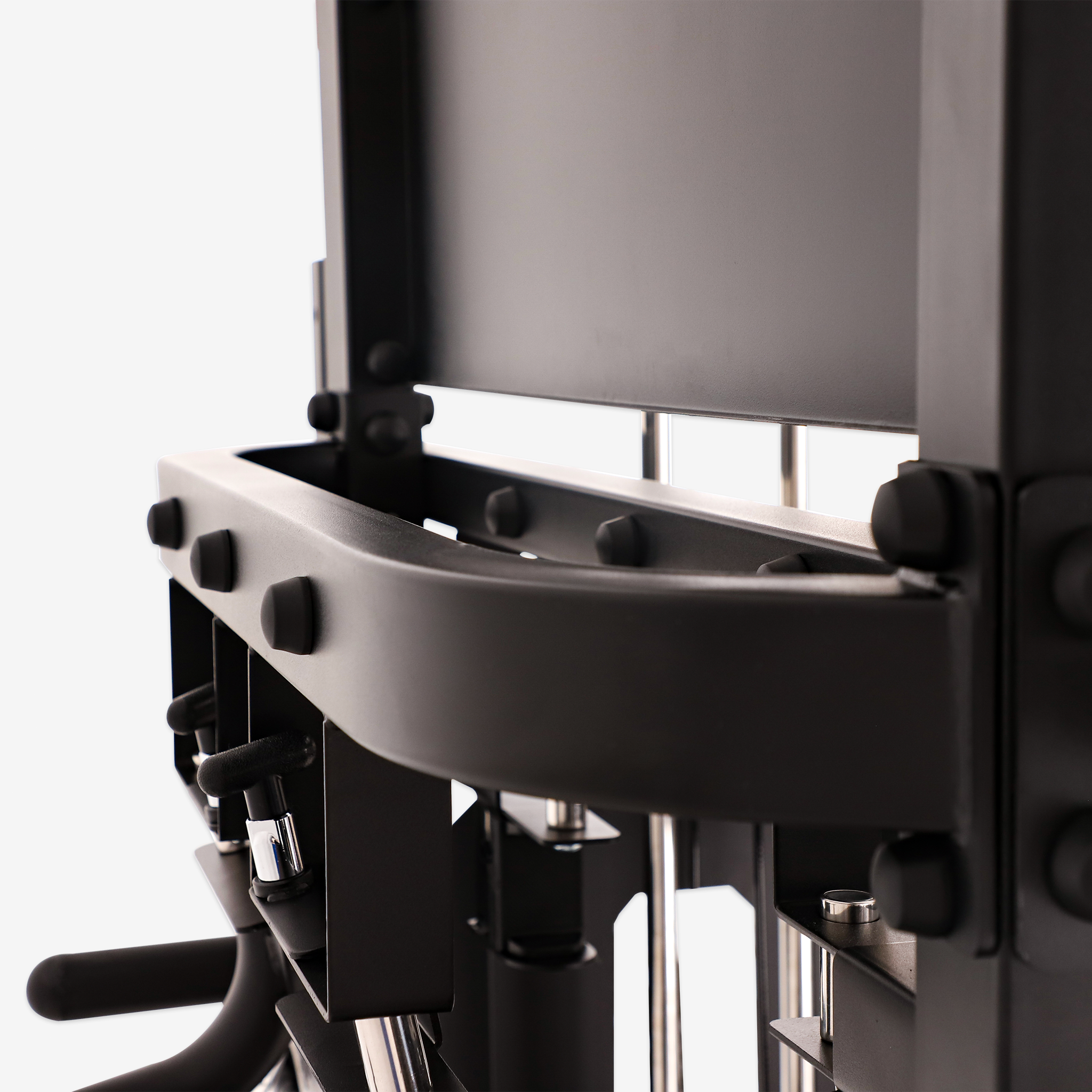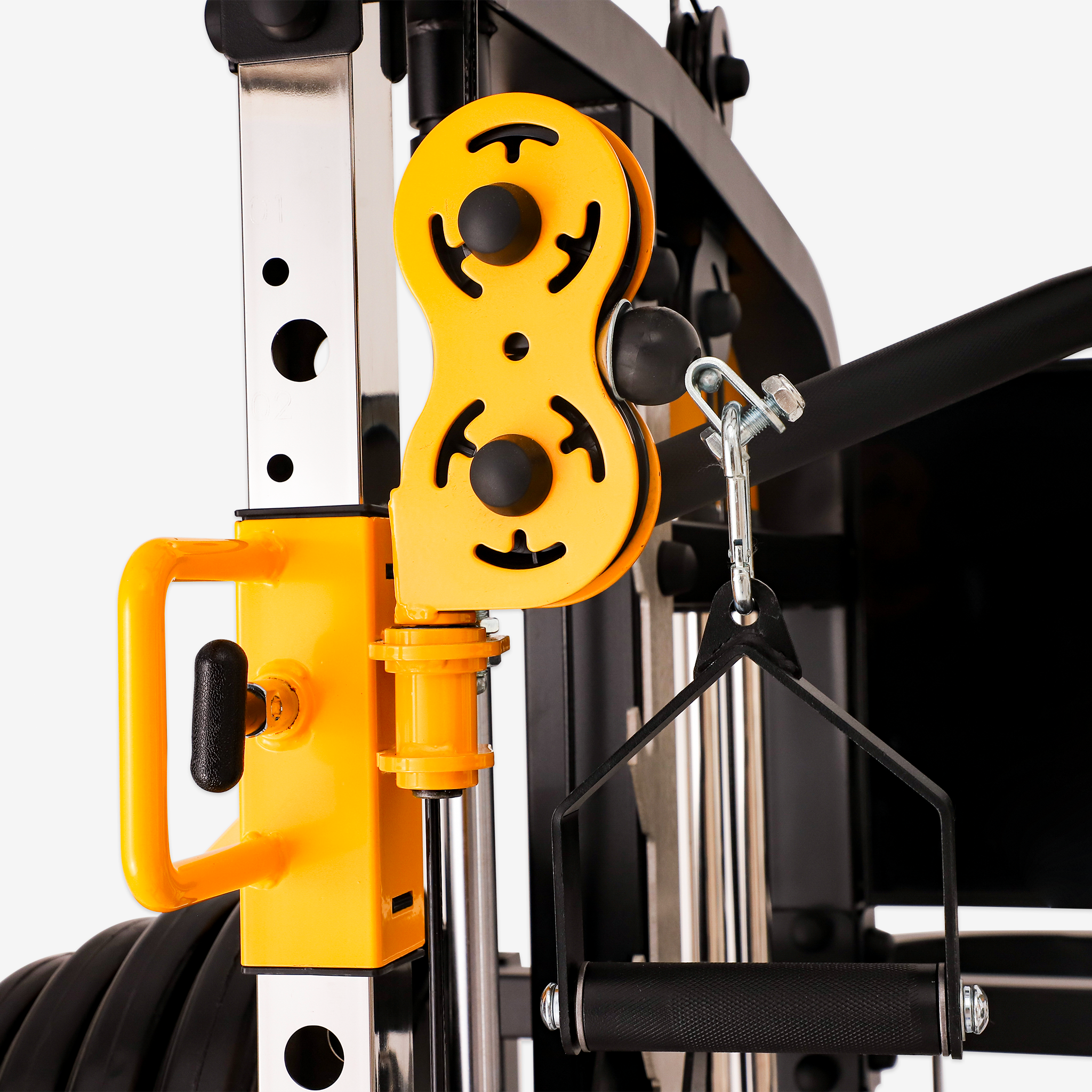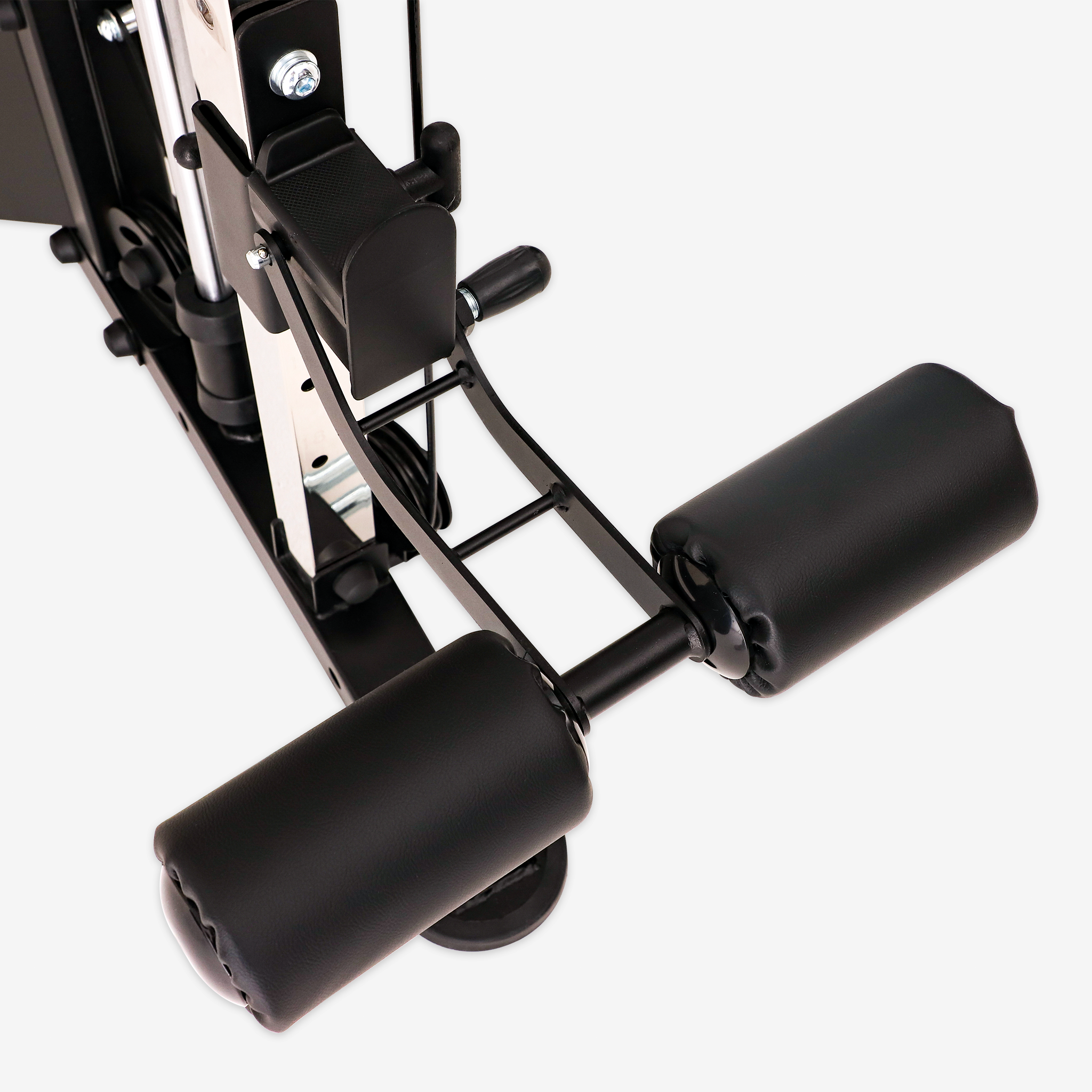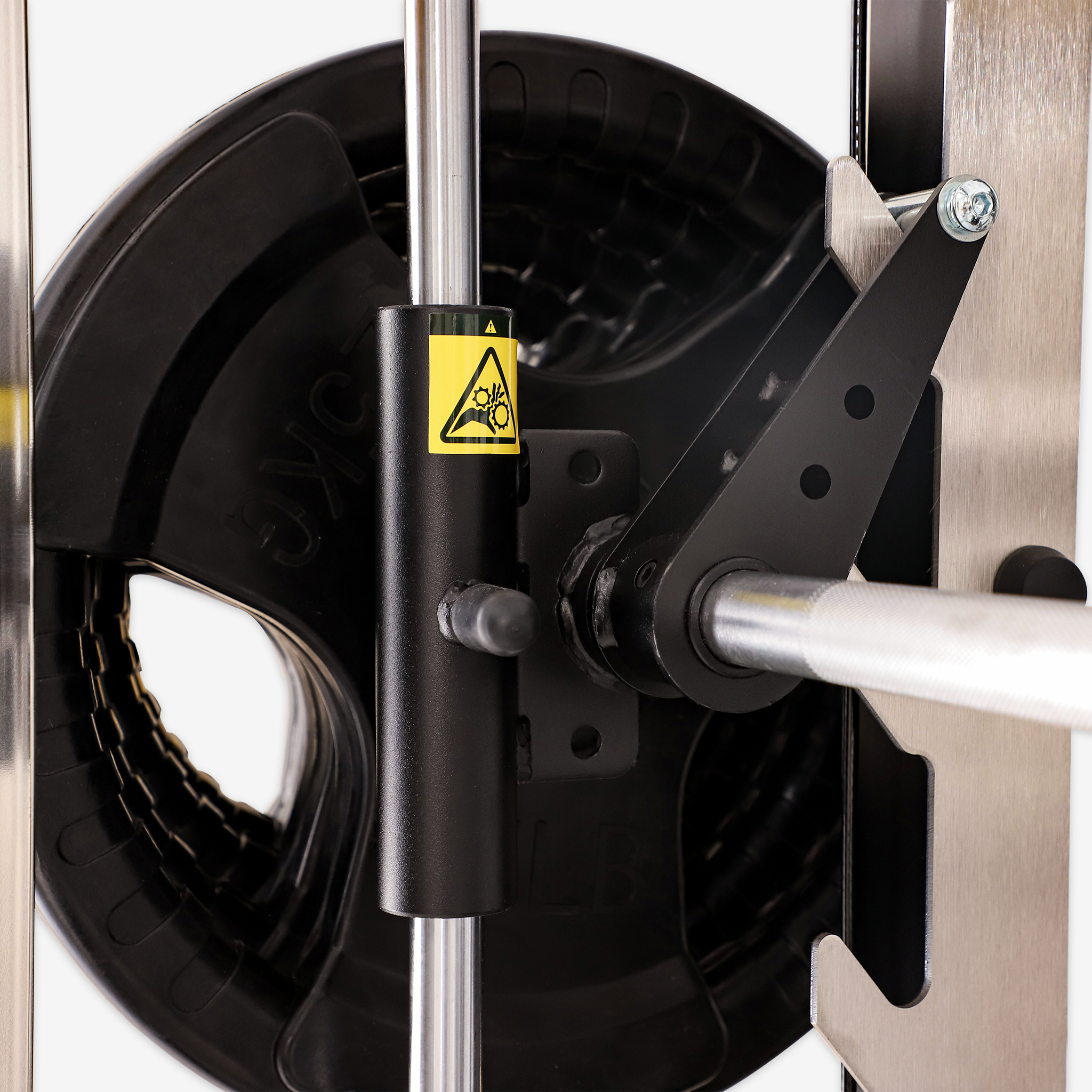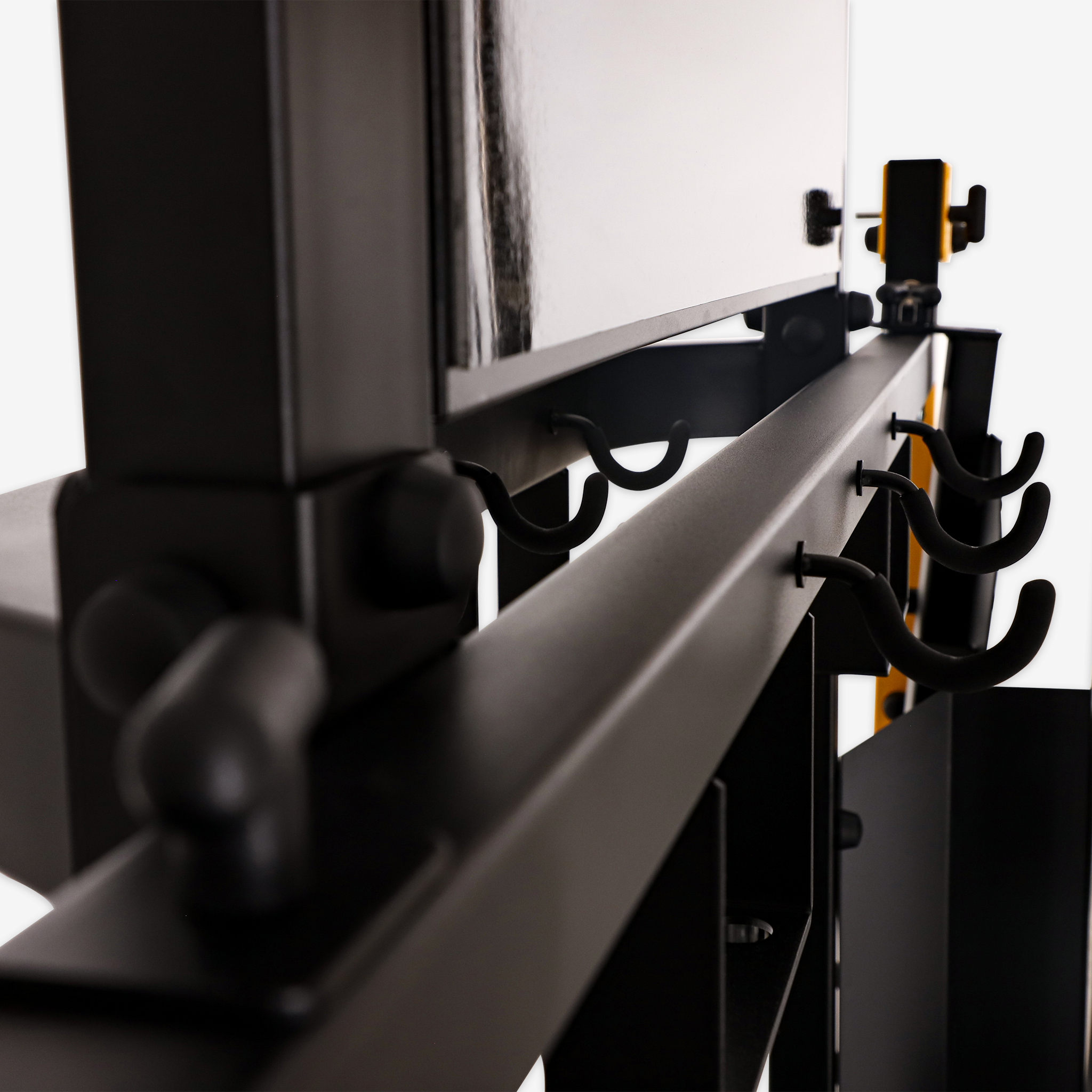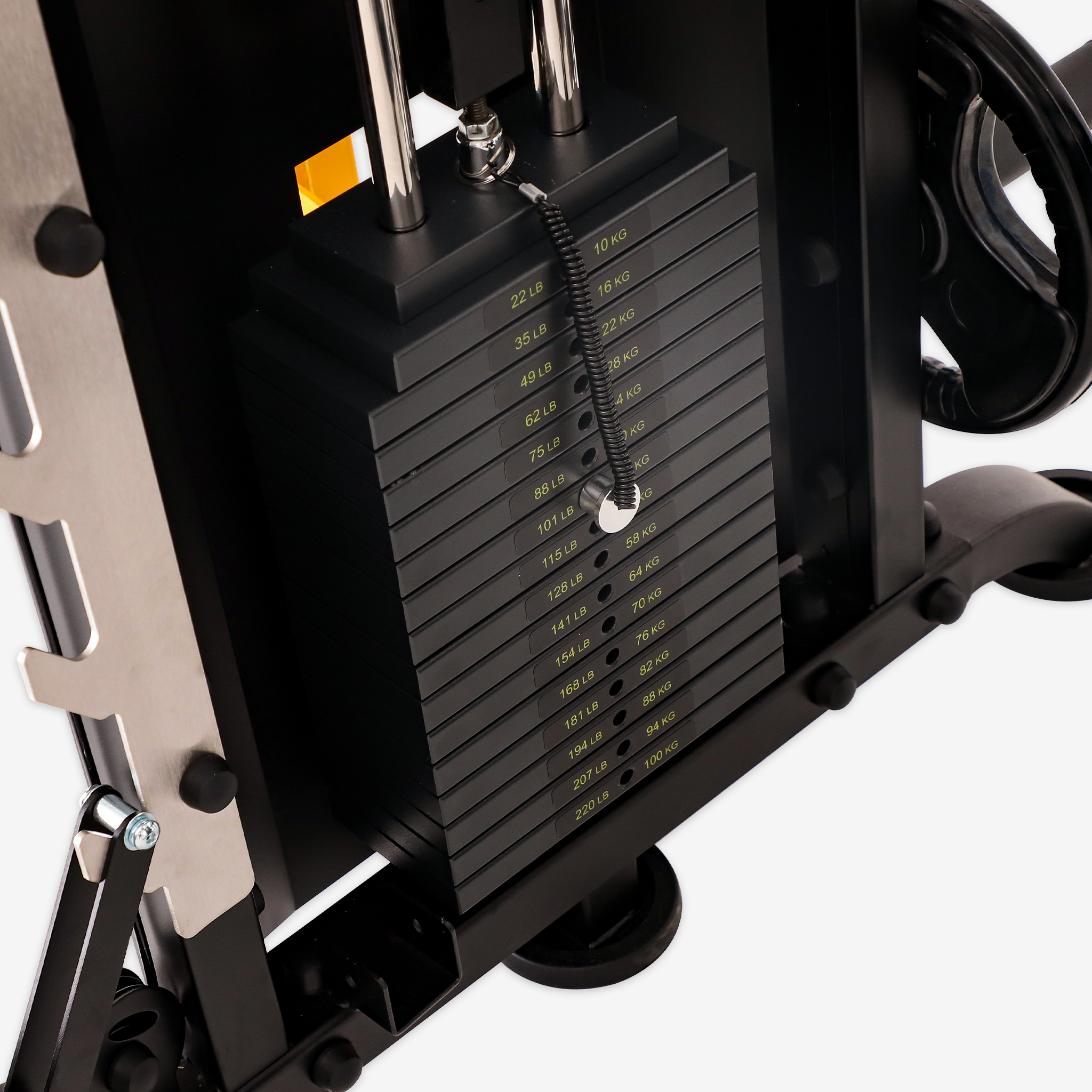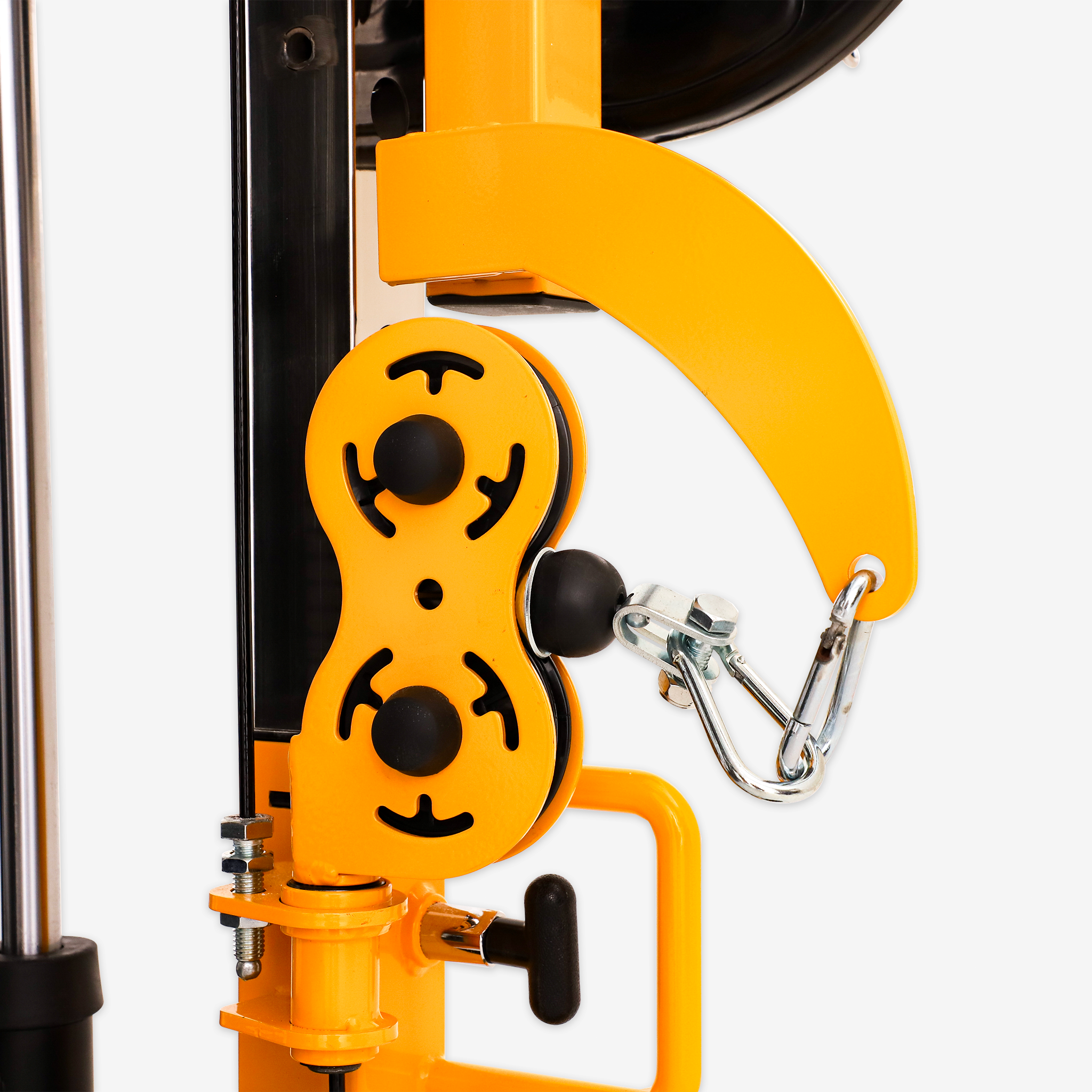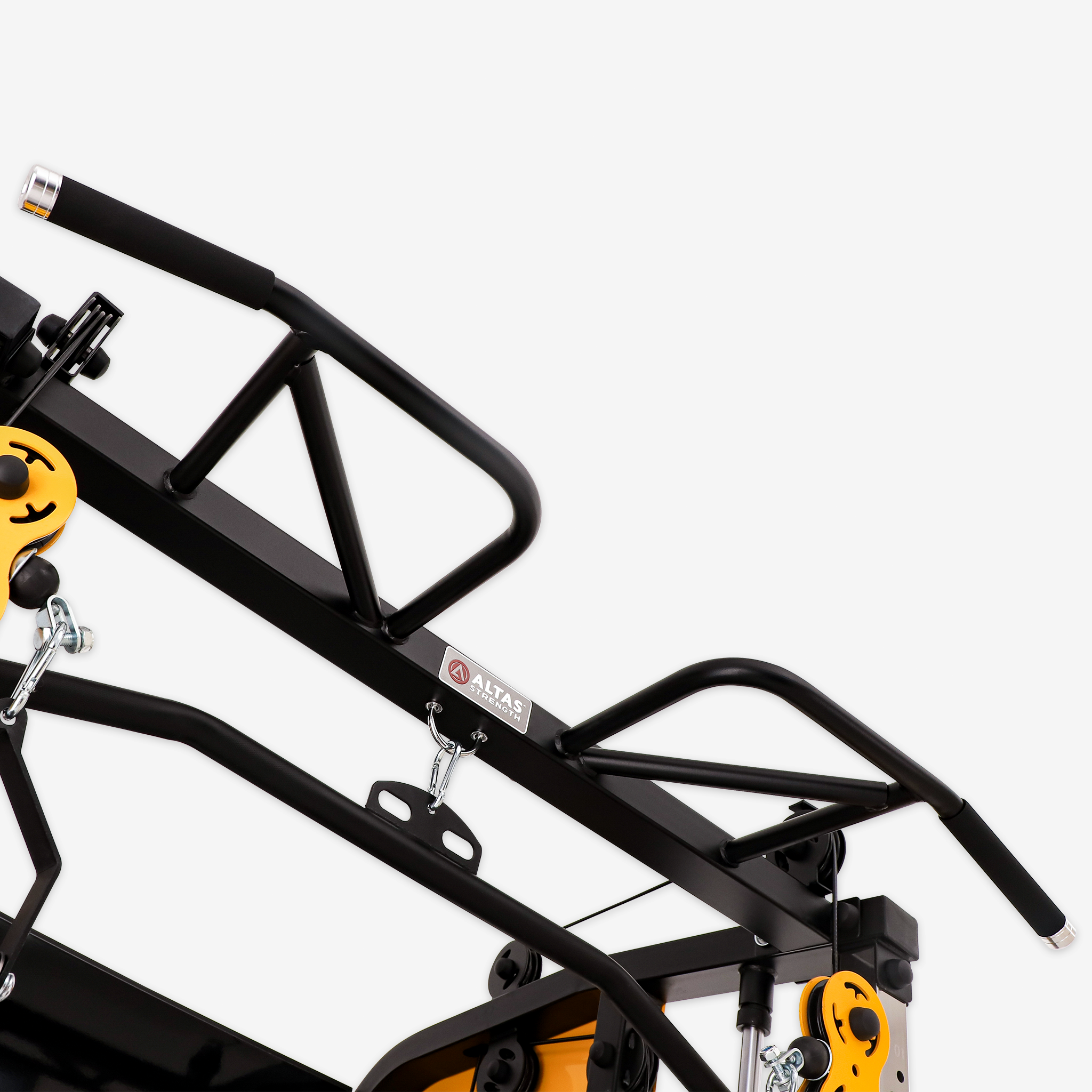
A hyperextension bench is a specialized piece of strength-training equipment designed to target the posterior chain, including the lower back, glutes, and hamstrings.
For home gym buyers, the question is not simply whether a hyperextension bench is useful. The more important questions are:
What does a hyperextension bench train? How much space does it require? What should you look for in a 45-degree hyperextension bench? And when is a dedicated hyperextension bench better than a basic Roman chair or makeshift setup?
This guide explains the main uses, features, limitations, alternatives, and buying considerations for a home gym hyperextension bench.
What Is a Hyperextension Bench?
A hyperextension bench is a dedicated training station that supports the hips and legs while allowing the upper body to move through a controlled range of motion.
A 45-degree hyperextension bench positions the user on an inclined platform rather than horizontally.
Depending on the design, it can be used for:
-
Back hyperextensions
-
Glute-focused movements
-
Hamstring training
-
Core exercises
-
Bodyweight posterior-chain training
-
Weighted hyperextensions
-
Other accessory exercises
The main reason people add a hyperextension bench to a home gym is to provide a dedicated station for posterior-chain training without requiring a large commercial machine.
What Problem Does a Hyperextension Bench Solve?
Many home gyms have equipment for pressing, squatting, pulling, and general resistance training but lack a dedicated posterior-chain station.
A hyperextension bench can fill that equipment gap.
1. Posterior-Chain Training
Hyperextension exercises can involve several muscles around the back of the body, including the:
-
Erector spinae
-
Glutes
-
Hamstrings
This makes a hyperextension bench a useful accessory station for a broader strength-training program.
It can complement exercises such as squats, deadlifts, rows, and other compound movements.
2. A Dedicated Alternative to Improvised Setups
Some home gym users try to replicate hyperextension movements using ordinary benches or other household equipment.
The problem is that a conventional flat bench is not specifically designed around the positioning required for a hyperextension exercise.
A dedicated hyperextension bench provides:
-
A defined body position
-
Dedicated hip and leg support
-
A consistent training angle
-
A purpose-built frame
-
Adjustable positioning on applicable models
This can make the setup more practical and repeatable than improvising with unrelated equipment.
3. Adds a Specialized Movement to a Home Gym
A home gym does not necessarily need every specialized machine.
However, if posterior-chain training is an important part of your program, a dedicated hyperextension bench can provide a specific function that a standard adjustable bench may not.
This is particularly relevant for users who already have equipment for major compound movements but want an additional accessory station.
Why Choose a 45-Degree Hyperextension Bench?
The 45-degree design is one of the most recognizable hyperextension configurations.
Instead of positioning the torso horizontally, the user works from an inclined position with the hips supported against the pad.
This design provides a dedicated setup for posterior-chain exercises while maintaining a relatively compact equipment footprint.
For home gyms, this combination of specialized function + relatively compact design is one of the main reasons 45-degree hyperextension benches are popular.
Key Features to Look For
Not every hyperextension bench is built the same way.
When comparing models, focus on the features that affect usability and long-term practicality.
Stable Steel Frame
A stable frame is important because the equipment needs to remain steady as the user moves through each repetition.
A heavier, rigid frame can provide a more planted training platform than a lightweight design.
For home gym equipment, stability should be considered alongside:
-
Frame construction
-
Base design
-
Overall dimensions
-
Weight capacity
-
Adjustment mechanism
45-Degree Training Position
A dedicated 45-degree configuration provides a consistent setup for the intended exercise.
When comparing products, confirm the actual angle and how the manufacturer describes the equipment rather than assuming all Roman chairs use the same geometry.
Adjustable Positioning
Adjustability can make a significant difference because users have different body proportions.
Look for adjustment options that allow the:
-
Hip position
-
Leg support
-
Foot position
-
Pad position
to be adapted to the user where applicable.
The objective is to create a stable and repeatable setup rather than forcing every user into exactly the same position.
Supportive Padding
The hip and thigh pads are important contact points during hyperextension movements.
Padding should provide enough support for the intended exercise without allowing excessive sinking or movement.
A firmer pad can provide a more stable training surface, while some users may prefer softer cushioning.
This is partly a personal preference.
Compact Footprint
One advantage of a dedicated hyperextension bench is that it can provide a specialized training function without requiring the footprint of a large commercial posterior-chain machine.
This makes it suitable for many:
-
Spare-room gyms
-
Basement gyms
-
Garage gyms
-
Dedicated home training areas
However, buyers should still measure both the equipment footprint and the space needed to use it.
What Can You Do on a Hyperextension Bench?
A hyperextension bench is more versatile than its name may suggest.
Depending on the specific design and manufacturer's intended use, it can support several movements.
Back Hyperextensions
The primary application is controlled back-extension training.
Glute-Focused Extensions
Changing body position and movement emphasis can shift more work toward the glutes.
Hamstring Training
The posterior chain includes the hamstrings, making the bench useful as an accessory station for lower-body training.
Core Exercises
Some hyperextension benches can also support selected abdominal or trunk exercises.
Weighted Hyperextensions
Users can progressively increase resistance by holding an appropriate weight, provided the equipment's capacity and intended use support it.
The specific exercises and loading limits should always follow the manufacturer's instructions.
Hyperextension Bench vs Roman Chair
The terms "hyperextension bench" and "Roman chair" are sometimes used interchangeably, but designs can differ.
| Feature | Hyperextension Bench | Traditional Roman Chair |
|---|---|---|
| Main purpose | Posterior-chain training | Back extension / core training |
| Common configuration | Often 45° | Multiple configurations |
| Adjustability | Depends on model | Depends on model |
| Foot support | Dedicated | Dedicated |
| Home gym use | Common | Common |
| Exercise range | Depends on design | Depends on design |
The important point is to compare the actual frame, angle, adjustment system, dimensions, and intended exercises rather than relying only on the product name.
Hyperextension Bench vs Adjustable Bench
A standard adjustable bench is one of the most common pieces of home gym equipment.
However, it serves a different purpose.
An adjustable bench is primarily designed for exercises such as:
-
Bench press
-
Dumbbell press
-
Seated shoulder press
-
Rows
-
Other seated or supported exercises
A hyperextension bench is specifically designed around posterior-chain and back-extension movements.
If posterior-chain training is a priority, a dedicated hyperextension bench provides a function that a conventional adjustable bench does not directly replicate.
Hyperextension Bench vs Commercial Machine
Commercial gyms may use larger dedicated posterior-chain machines.
These machines can provide:
-
Larger frames
-
Higher load capacities
-
More adjustment options
-
More substantial construction
The tradeoff is size, cost, and space requirements.
For a home gym, a dedicated hyperextension bench can provide the core function without requiring the footprint of a large commercial machine.
This creates a middle ground between basic improvised training and full commercial equipment.
Common Hyperextension Bench Complaints
A realistic buying guide should also consider the limitations.
Assembly
Some home hyperextension benches require moderate assembly.
Buyers should check:
-
Number of components
-
Assembly instructions
-
Required tools
-
Estimated assembly time
-
Delivery package size
This can matter when installing equipment in a basement, garage, or small room.
Weight Capacity
Weight capacity is an important specification.
A model designed for general home use may not be appropriate for extremely heavy weighted hyperextension training.
For example, the supplied Altas Strength framework identifies a 300 lb weight capacity as a boundary for this model.
Users should compare that capacity with their intended bodyweight plus any additional training load.
Padding Firmness
Padding preference varies.
Some users prefer firmer support because it provides a stable contact surface during movement.
Others may prefer softer cushioning for longer sessions.
This is generally a comfort and preference consideration rather than a simple quality ranking.
Space
Although a hyperextension bench is relatively compact compared with a large commercial posterior-chain machine, it still requires dedicated floor space.
Before buying, measure:
-
Product footprint
-
User operating space
-
Storage space
-
Access path
A product that fits against a wall may still need additional space during use.
How to Choose a Hyperextension Bench
Before buying, evaluate these factors.
1. Training Angle
Confirm whether the product uses a 45-degree configuration if that is the setup you want.
2. Frame Stability
Look at frame construction, base design, and overall equipment weight.
3. Weight Capacity
Make sure the stated capacity is appropriate for your bodyweight and intended additional load.
4. Adjustability
Check whether the support positions can accommodate your body proportions.
5. Padding
Consider the firmness, size, and support provided by the hip and thigh pads.
6. Foot Support
The foot and ankle support should provide a stable position during the intended exercises.
7. Footprint
Measure the equipment and the surrounding operating area.
8. Assembly
Check how much assembly is required before purchasing.
Who Is a Hyperextension Bench Best For?
A hyperextension bench may be particularly useful for home gym users who:
-
Want dedicated posterior-chain training
-
Regularly perform strength training
-
Want to complement squats and deadlifts
-
Have enough room for a specialized accessory station
-
Prefer dedicated equipment over improvised setups
-
Want additional lower-back, glute, and hamstring training options
-
Want a relatively compact alternative to a large commercial posterior-chain machine
Who May Not Need One?
A hyperextension bench may not be necessary for users who:
-
Have very limited floor space
-
Rarely perform posterior-chain accessory exercises
-
Already have equipment that adequately covers their training needs
-
Prefer minimalist equipment setups
-
Do not want another dedicated training station
If a home gym has very limited space, a buyer may prioritize equipment that supports a larger number of essential movements before adding specialized accessories.
Altas Strength Hyperextension Bench: Where It Fits
Based on the supplied product framework, the Altas Strength hyperextension bench is positioned between basic entry-level hyperextension benches and larger commercial posterior-chain machines.
Its intended value proposition centers on:
-
A stable steel frame
-
45-degree hyperextension positioning
-
Home-gym-friendly dimensions
-
Adjustable positioning
-
Supportive padding
-
Multiple posterior-chain and accessory applications
-
A stated 300 lb weight capacity
This positioning is particularly relevant for home gym users who want a dedicated hyperextension station without moving to a much larger commercial machine.
The decision should still depend on the buyer's available space, expected training load, preferred comfort level, and how frequently the equipment will be used.
Final Takeaway
A hyperextension bench is a specialized home gym station for posterior-chain training.
Its primary value is not that it replaces every other piece of equipment. Instead, it fills a specific gap: providing a dedicated setup for back-extension and related posterior-chain exercises.
A 45-degree hyperextension bench can be a practical addition to a home gym when you want:
-
Dedicated posterior-chain training
-
A stable purpose-built setup
-
Multiple accessory exercise options
-
A smaller footprint than a large commercial machine
Before purchasing, compare the training angle, frame stability, adjustment range, padding, weight capacity, footprint, and assembly requirements.
For the Altas Strength model described in this guide, the supplied product framework identifies a 300 lb weight capacity and positions the equipment as a home-gym-friendly alternative between basic budget benches and larger commercial posterior-chain machines.
The right choice ultimately depends on whether the equipment fills a genuine training need in your home gym and whether its specifications match your available space and intended use.