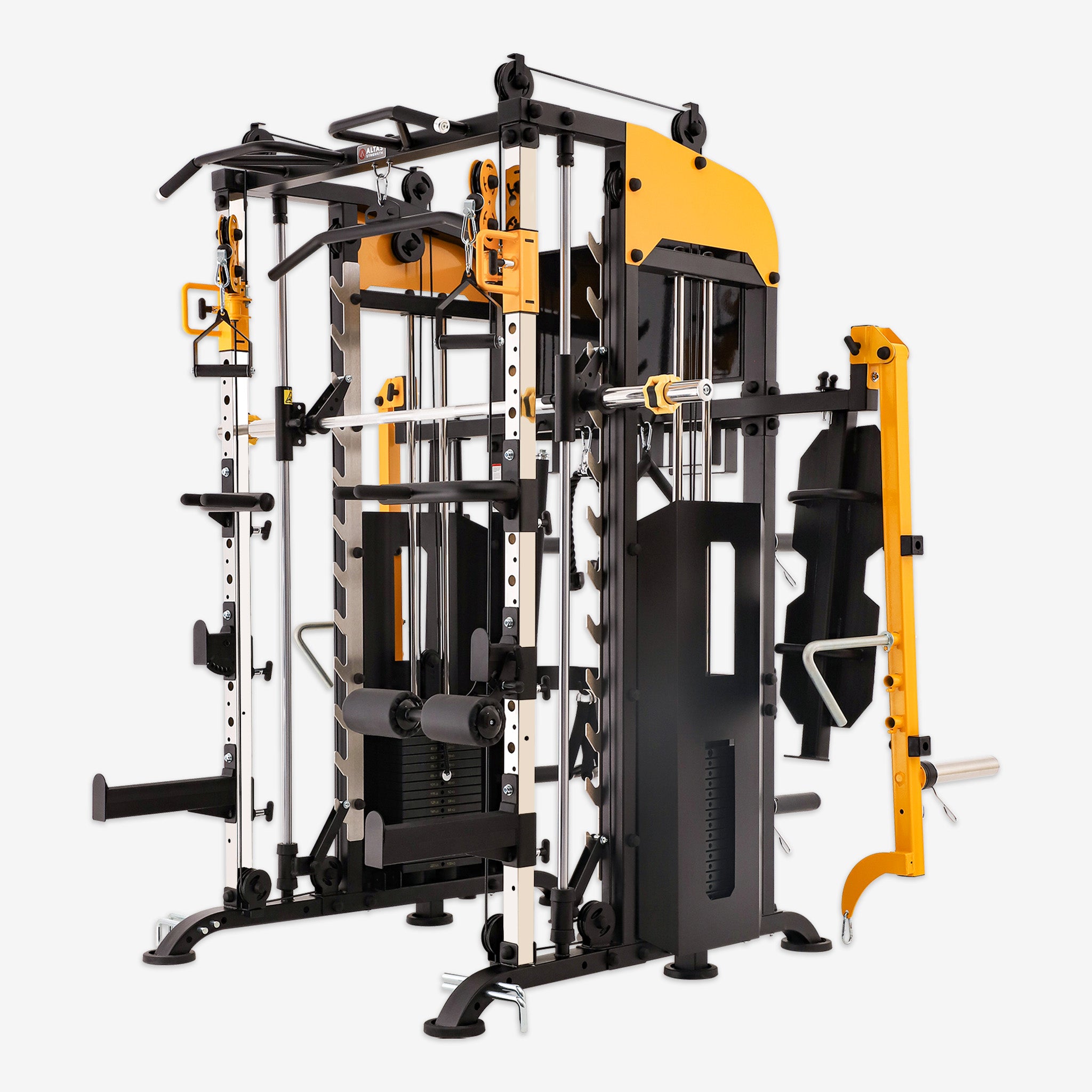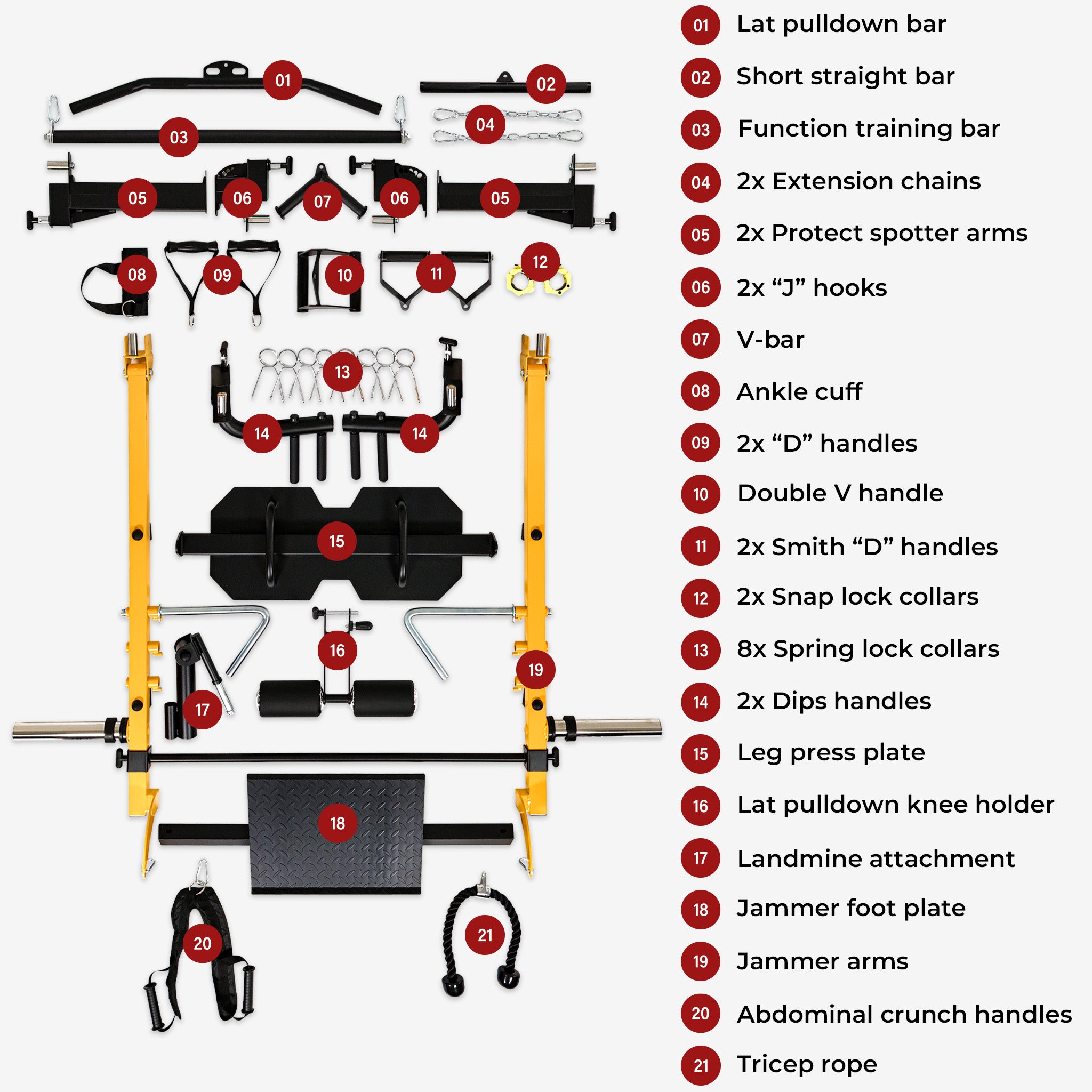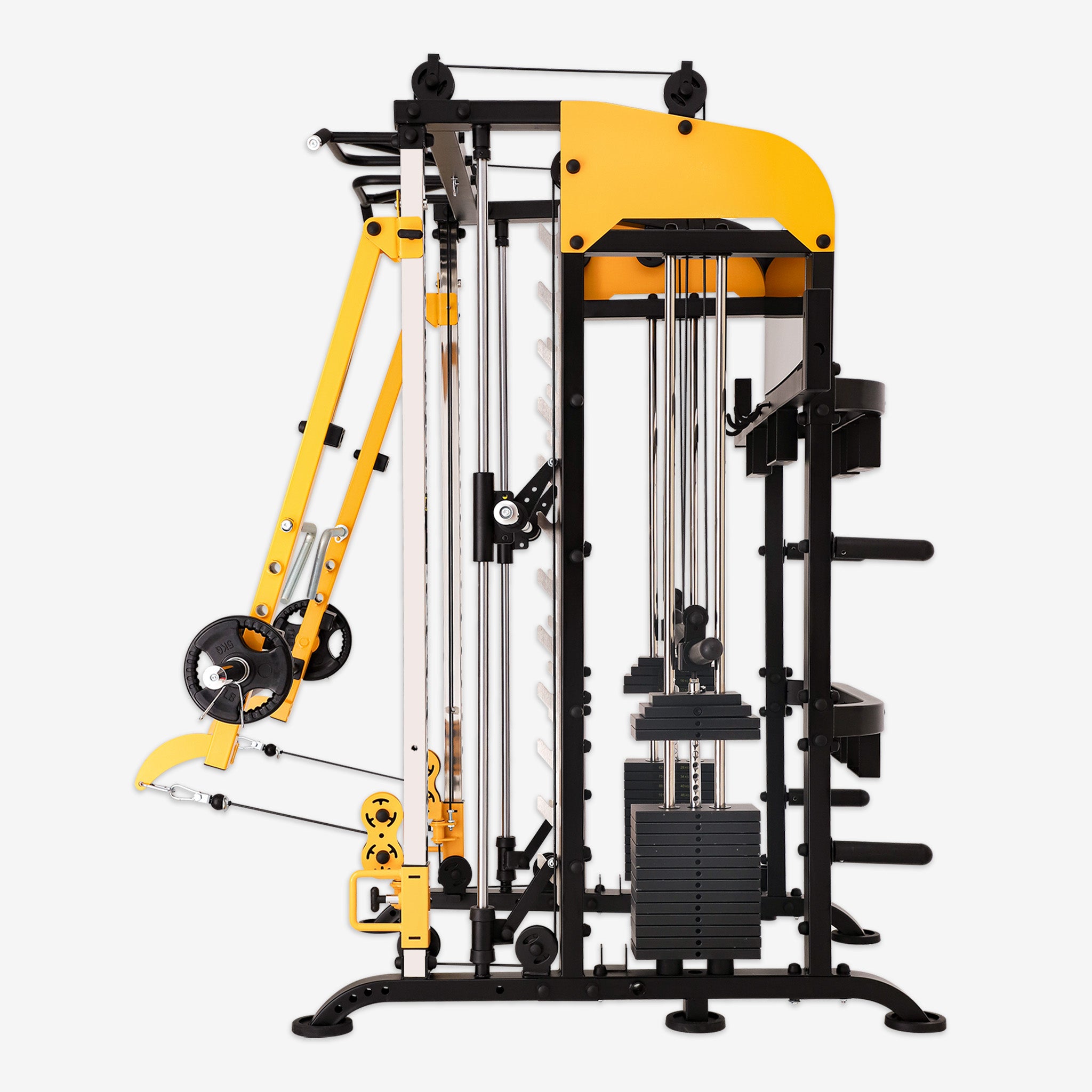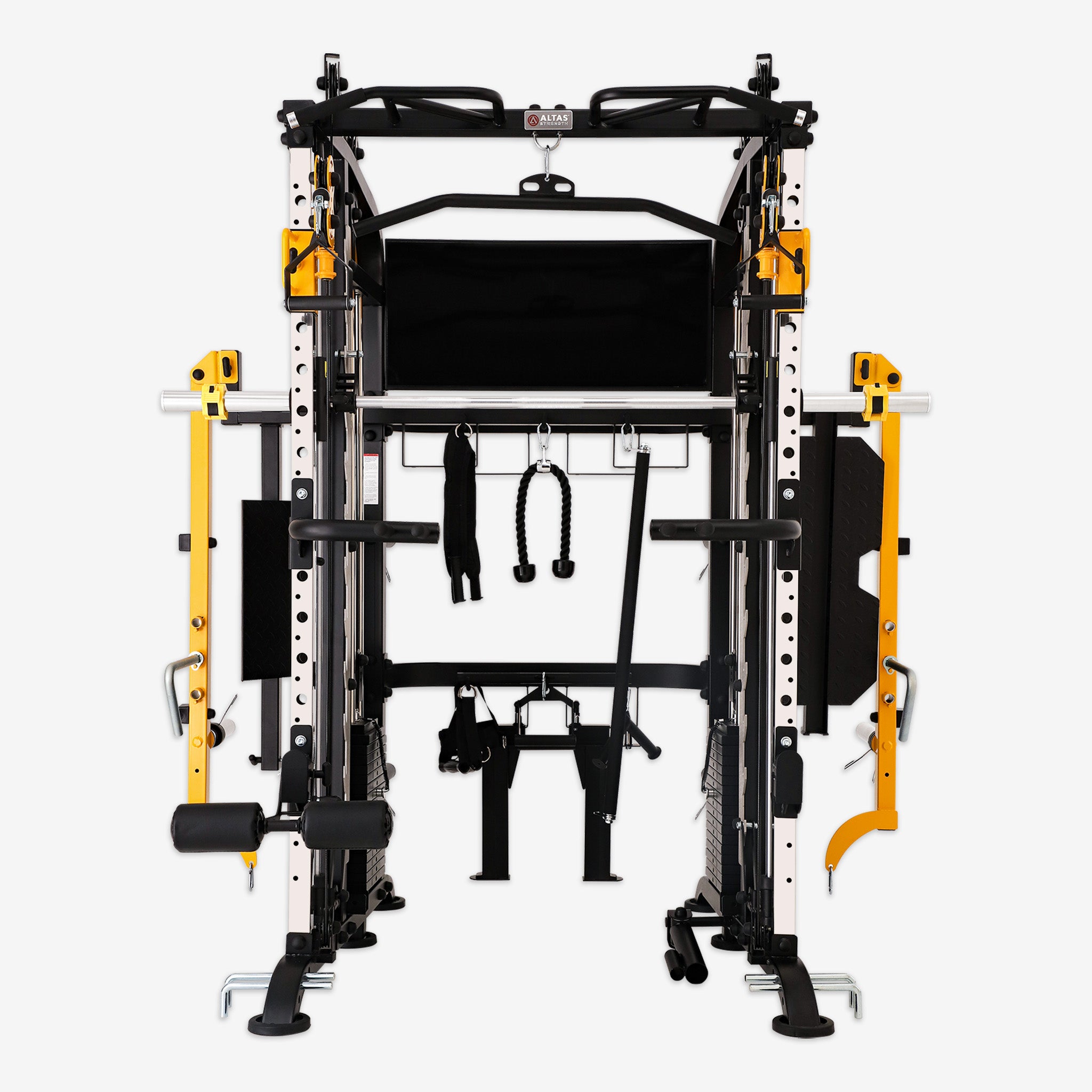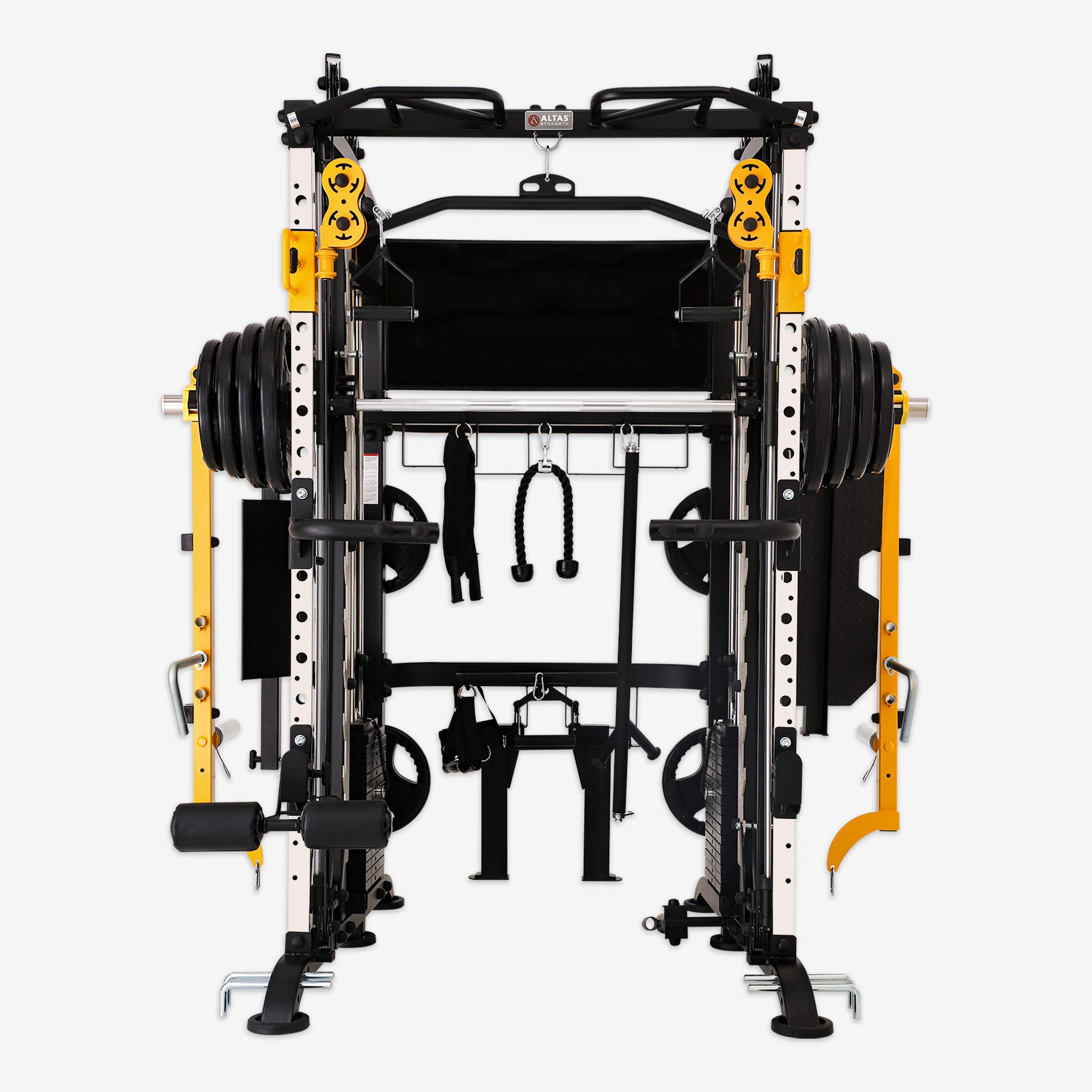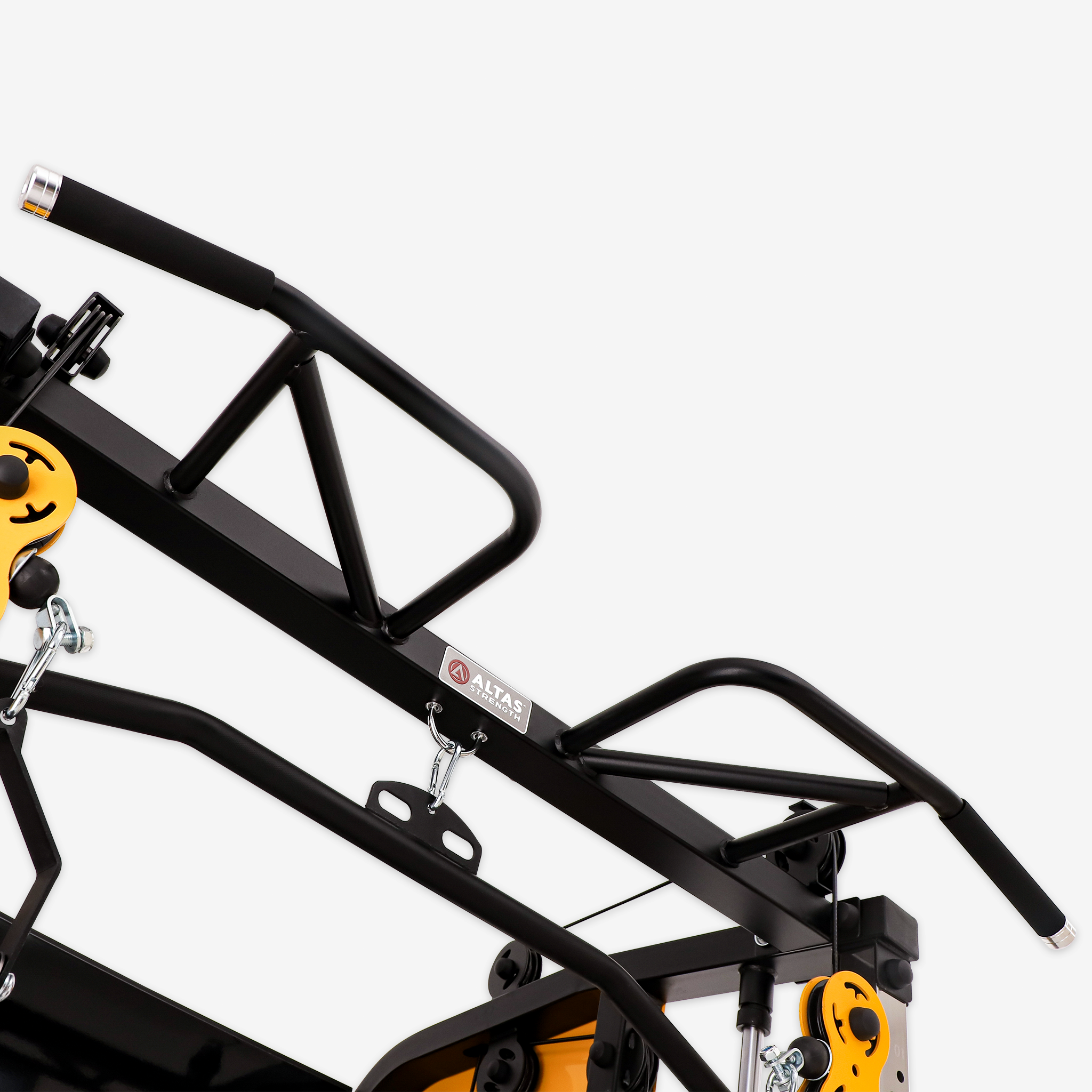
A leg extension machine is designed to train the quadriceps—the muscles at the front of the thigh—through a seated knee-extension movement. For home gym owners who already perform compound lower-body exercises, it can provide a more direct way to add quad-focused training.
But a leg extension machine is not essential for every home gym. Its value depends on your training goals, available space, budget, and whether you want a dedicated isolation exercise or a more versatile lower-body setup.
This guide explains what a leg extension machine does, how it compares with other equipment, and what to consider before buying one.
What Does a Leg Extension Machine Do?
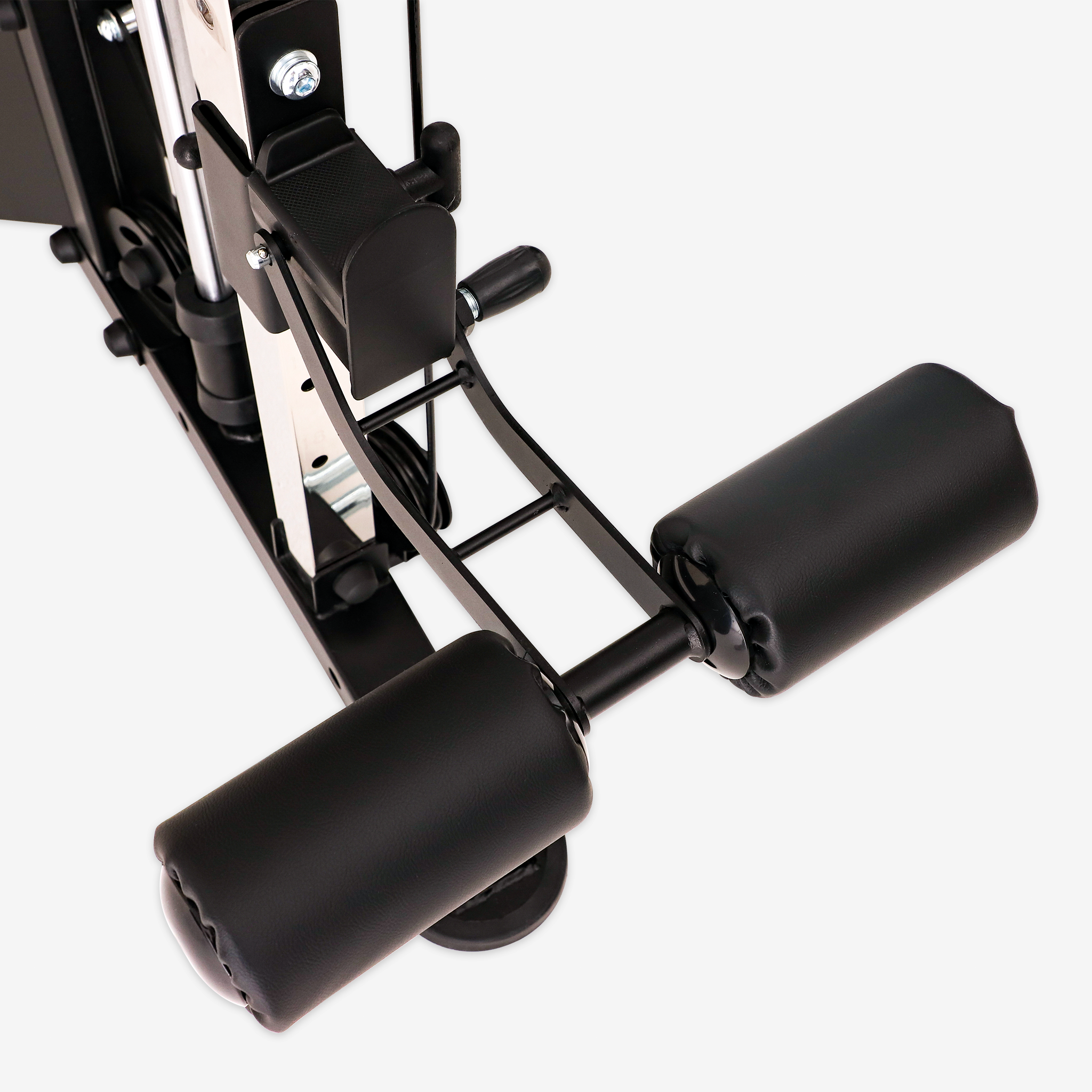
A leg extension machine allows the user to extend the knees against resistance while seated. The padded lever moves as the lower legs extend, placing the main training emphasis on the quadriceps.
The quadriceps are involved in knee extension and contribute to movements such as standing up, climbing stairs, and squatting. Compound exercises such as squats and leg presses also train the quads, but they involve multiple muscle groups and joints.
A leg extension machine offers a more focused way to train knee extension without requiring the same whole-body movement as a squat or deadlift.
What Problems Can a Leg Extension Machine Help Address?
1. Adding focused quadriceps training
Squats, lunges, and leg presses train the quadriceps alongside other muscles. A leg extension provides a more direct quad-focused exercise.
This can be useful for lifters who already include compound movements and want to add more targeted work to their lower-body routine.
2. Training quads without a loaded squat setup
A leg extension is performed while seated, so it does not require the same standing barbell setup as a squat. It may suit users who want to train the quadriceps through a machine-based movement.
However, the exercise still places load through the knee joint. Users should choose an appropriate resistance and range of motion and follow the equipment instructions.
3. Adding isolation work at home
Home gym users may not have access to the dedicated leg machines available in commercial gyms. A leg extension machine can bring quad-focused training into a home setup.
Whether it is worth the space depends on how often you plan to use it and whether your current equipment already meets your training needs.
4. Supporting an individual training plan
Some people use leg extensions as an accessory exercise alongside squats, leg presses, or other lower-body movements. Others may use machine-based knee extension as part of a plan developed with a qualified health or rehabilitation professional.
A leg extension machine should not be treated as a substitute for individualized medical or rehabilitation advice. Anyone recovering from an injury or surgery should follow guidance from their healthcare professional before choosing exercises or resistance.
Key Features to Consider
Adjustable positioning
The seat, back support, and leg pad position affect how the user fits the machine. Look for adjustment options that allow you to set up the machine according to the manufacturer’s instructions.
Check whether the adjustment range accommodates the intended users and whether the setup is easy to change between people.
Comfortable thigh and shin padding
Padding helps support the body and contact points during the exercise. Consider the material, firmness, shape, and adjustability of the pads.
Comfort is subjective, so if possible, review the machine in person or check the product details carefully before buying.
Smooth resistance movement
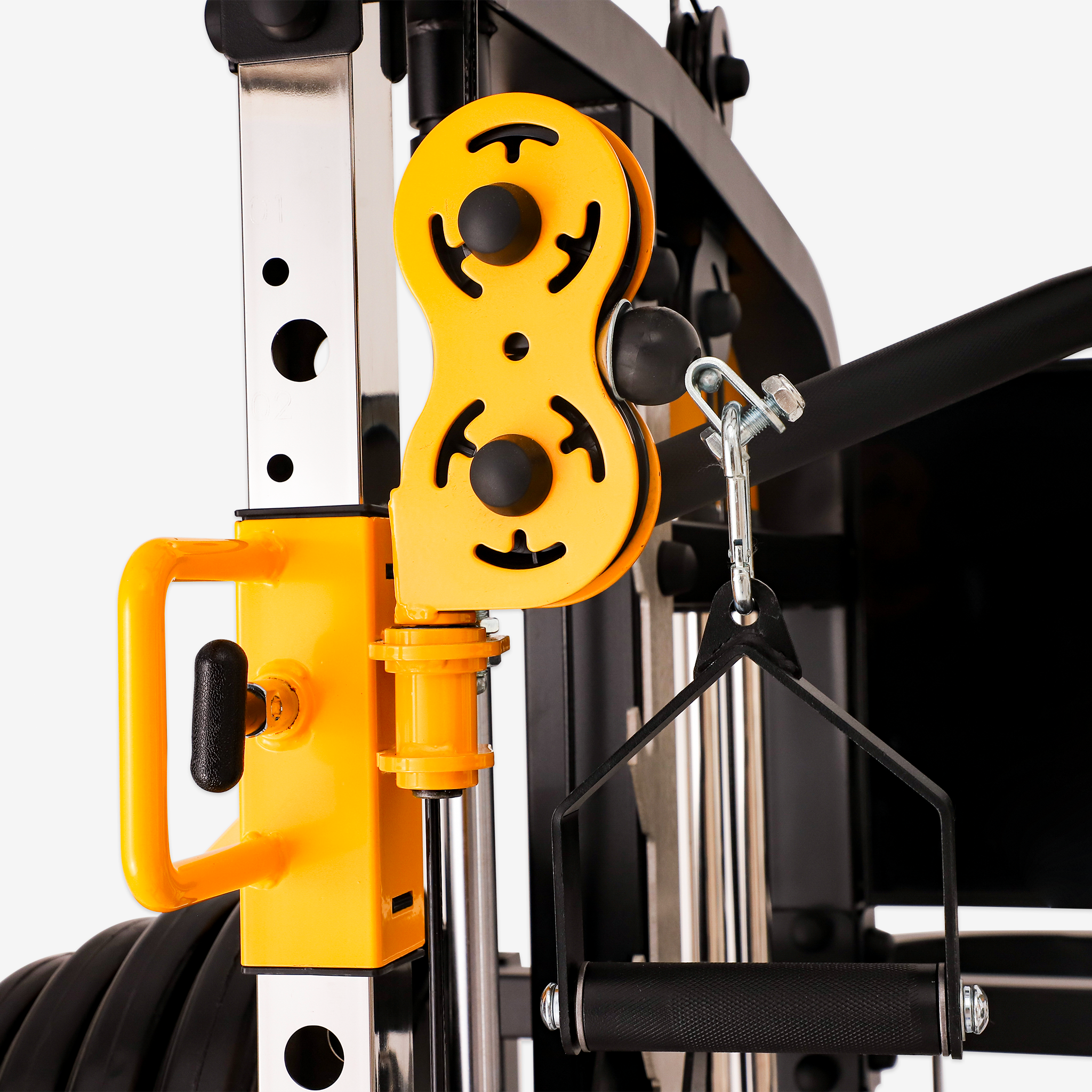
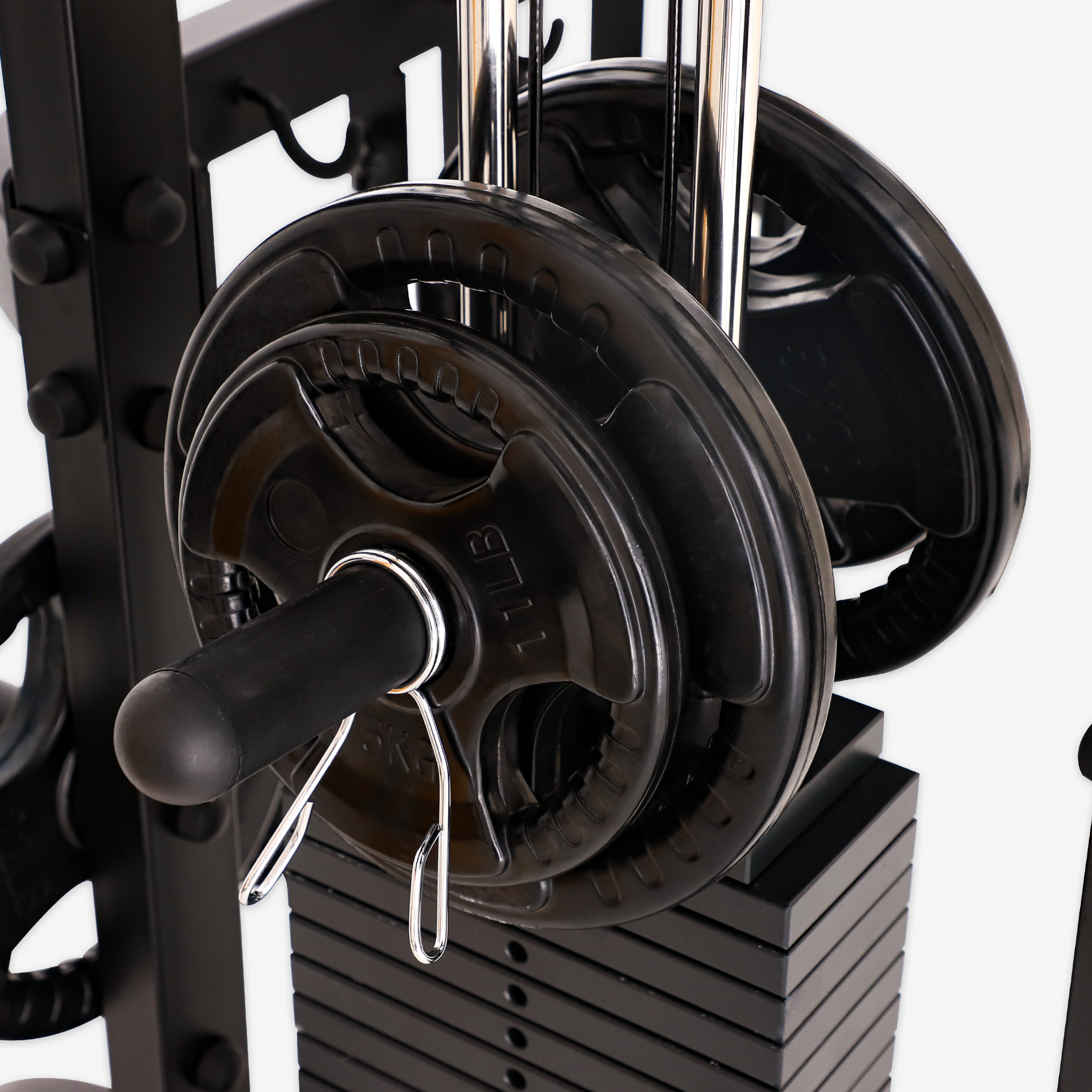
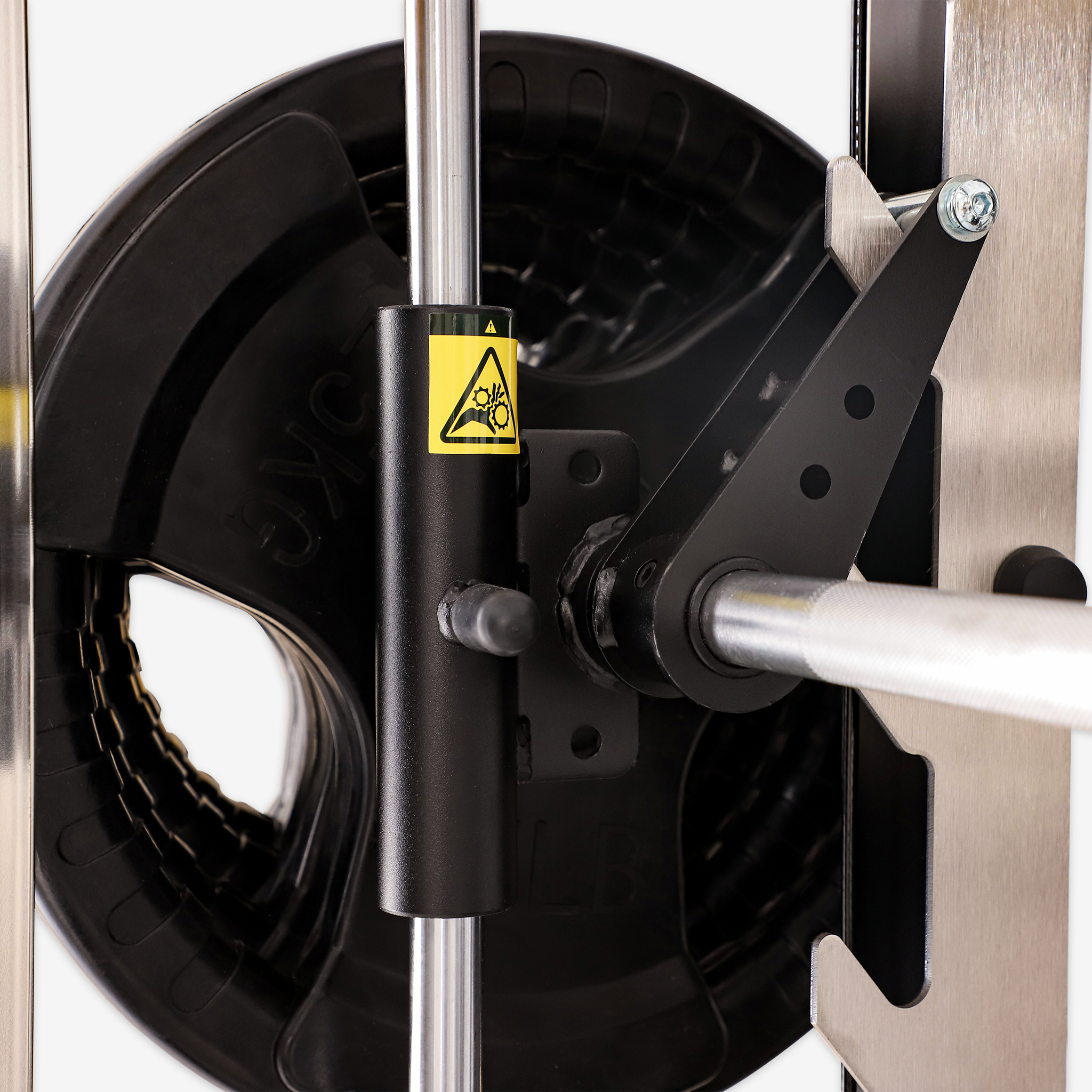
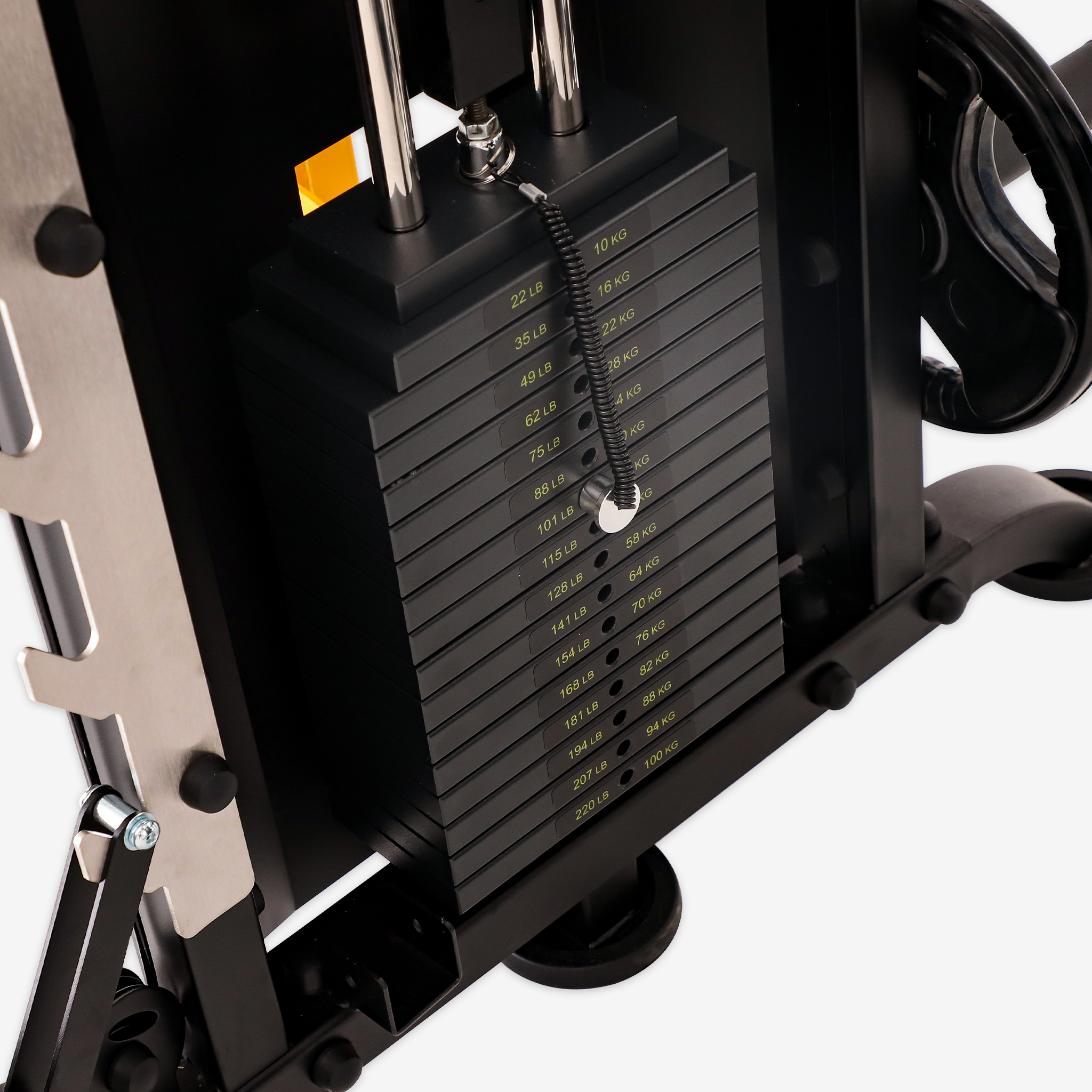
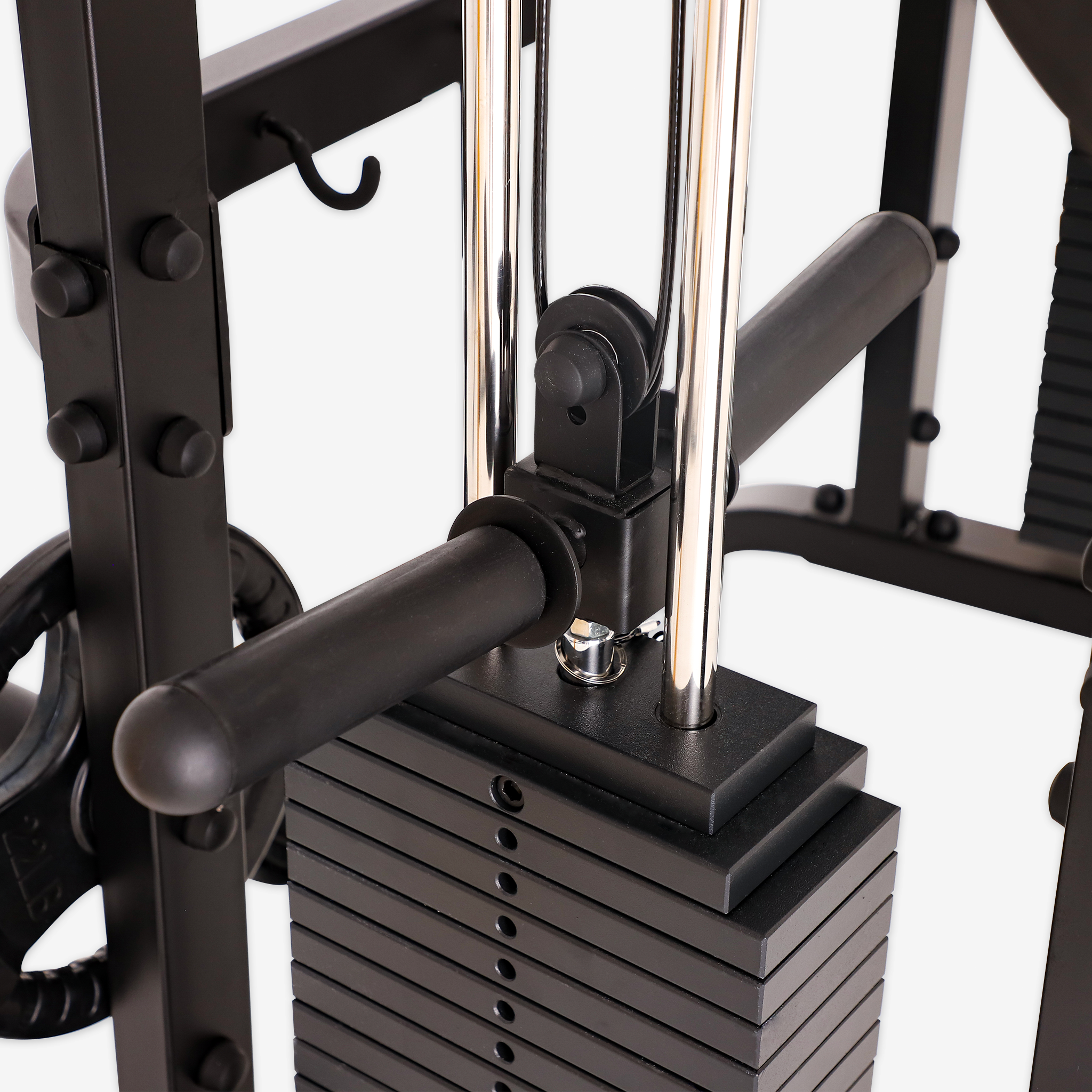
A machine should allow the user to move the lever in a controlled manner. Depending on the design, resistance may come from weight plates, a weight stack, or another mechanism.
Review the machine’s resistance system and maintenance requirements. Smooth operation can depend on correct assembly, adjustment, and upkeep.
Range-of-motion adjustment
Some machines offer ways to adjust the starting position or movement range. These options may help users set up the exercise according to the machine’s design and their individual needs.
Do not assume every model has the same adjustment features. Check the specifications and operating instructions.
Frame stability and construction
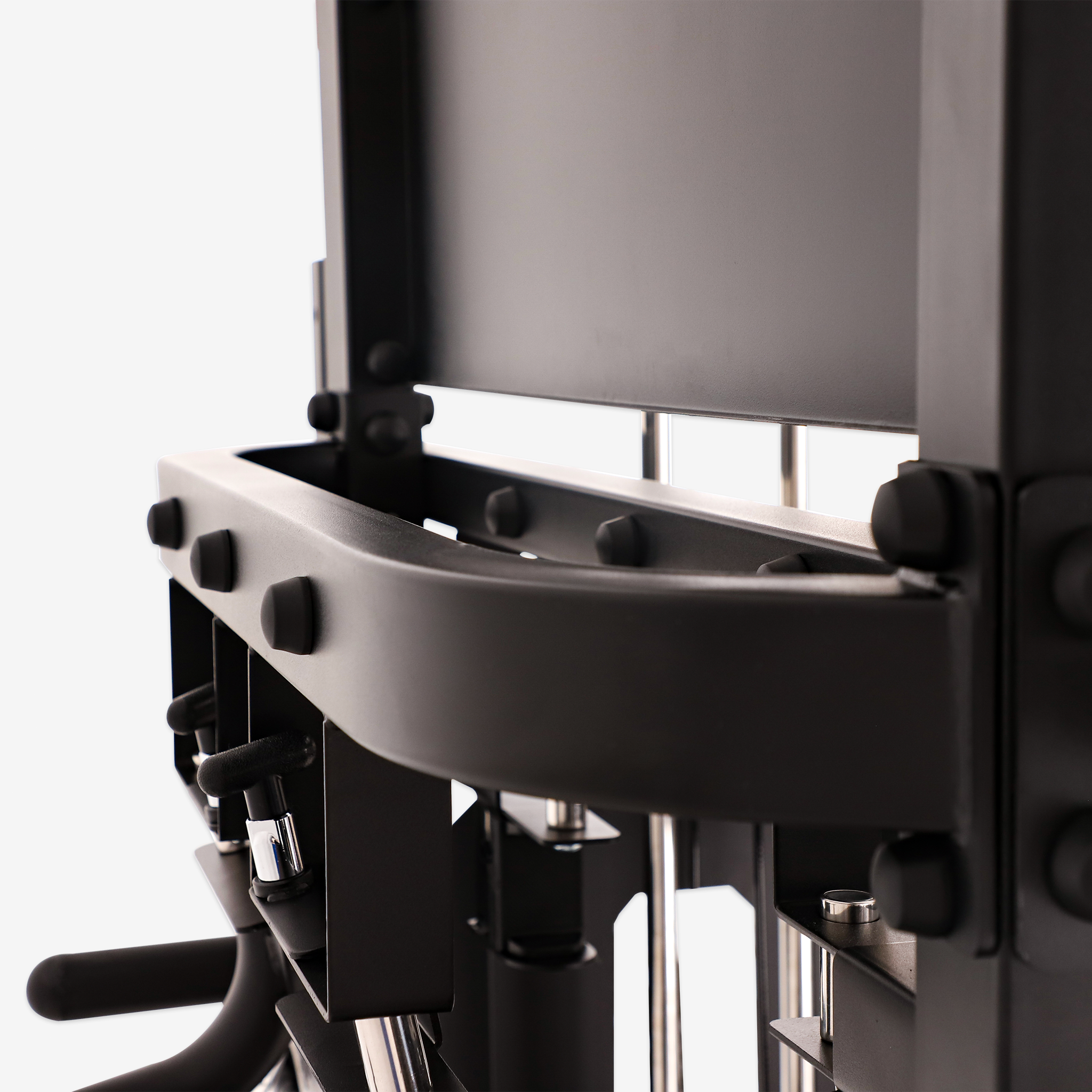
The frame supports the user and the resistance system. Review the manufacturer’s stated capacity, base design, construction details, and recommended use.
A machine’s appearance alone does not establish its load rating or suitability for a particular user.
Leg extension and leg curl combination
Some home gym machines combine leg extension with leg curl functions. This can provide both quadriceps-focused knee extension and hamstring-focused knee flexion in one unit.
Combination machines may save space compared with separate stations, but check the actual exercise options, adjustment process, and dimensions before purchasing.
Leg Extension vs. Leg Press
Both machines can train the quadriceps, but they serve different purposes.
| Consideration | Leg extension | Leg press |
|---|---|---|
| Main movement | Knee extension while seated | Pressing a platform away with the legs |
| Training emphasis | More direct quadriceps isolation | Multiple lower-body muscles work together |
| Body position | Seated with the lower legs moving against resistance | Seated or reclined, depending on the machine |
| Equipment role | Isolation exercise | Compound-style machine exercise |
| Home gym considerations | Often smaller than some large leg press machines, but model dimensions vary | Can require substantial floor space |
| Best viewed as | A focused quad accessory | A broader lower-body machine exercise |
A leg extension may suit users who specifically want to add quad isolation. A leg press may suit users looking for a machine-based lower-body movement involving several muscle groups.
Neither machine automatically replaces the other.
Leg Extension vs. Squats and a Power Rack
Squats are compound movements that involve the quadriceps, glutes, and other muscles. They also require coordination and control of the body and, when loaded with a barbell, the bar path.
A leg extension focuses more directly on knee extension and does not require the same standing barbell setup.
| Consideration | Leg extension | Squat rack and barbell |
|---|---|---|
| Exercise type | Isolation | Compound |
| Main movement | Seated knee extension | Squat variations and other barbell exercises |
| Equipment needs | Dedicated machine or compatible attachment | Rack, barbell, plates, and suitable safety setup |
| Movement demands | Machine-guided lever movement | User controls body and bar movement |
| Exercise variety | Primarily knee extension, depending on model | Broad range of barbell exercises |
| Home gym role | Adds focused quad work | Supports a wider range of strength exercises |
For many home gym users, the question is not whether one replaces the other. A leg extension can complement compound lifts when the user wants additional quad-focused training and has room for the equipment.
Leg Extension vs. Leg Curl
Leg extension and leg curl machines target different actions at the knee.
A leg extension trains knee extension, emphasizing the quadriceps. A leg curl trains knee flexion, emphasizing the hamstrings.
Some machines combine both functions. For home gym owners who want both exercises, a combination unit may be more space-efficient than two separate machines. Confirm that the model provides both functions and check how users switch between them.
Leg Extension vs. Hack Squat or Sissy Squat
Hack squat machines and sissy squat setups emphasize lower-body training through different body positions and movement patterns. They are not the same as a seated leg extension.
When comparing these options, consider:
-
Whether you want an isolation exercise or a compound-style movement
-
The machine’s range of motion and adjustment options
-
How comfortable the setup feels for you
-
The equipment’s footprint
-
The exercises you already perform
-
The manufacturer’s instructions and capacity limits
Choose based on your intended training plan rather than assuming one machine is universally superior.
Common Limitations and Buyer Concerns
Knee comfort depends on setup and individual needs
Some users may find leg extensions uncomfortable, particularly if the resistance, machine settings, or movement range do not suit them.
Avoid assuming that one setup is appropriate for everyone. Use the machine according to its instructions, select a manageable resistance, and stop if the movement causes pain. If you have a current knee condition or are recovering from an injury or surgery, consult a qualified healthcare professional about whether and how to perform the exercise.
It does not replace compound lower-body training
A leg extension is an isolation exercise. It does not provide the same overall movement demands as squats, lunges, or leg presses.
Users who want one machine for broad lower-body strength training may prefer a more versatile option or a combination of equipment.
Standalone machines need dedicated space
A leg extension machine can take up significant floor space, depending on its design. Measure the machine and allow room for getting on and off, adjusting the seat, and using it as intended.
For smaller home gyms, a compatible attachment or combination machine may be worth considering.
Lower-cost models may differ in construction and feel
Machines vary in frame design, adjustment options, padding, and resistance systems. Compare the actual specifications and warranty rather than relying on price alone.
If possible, review how the machine is adjusted and operated before purchasing.
Who May Benefit from a Leg Extension Machine?
A leg extension machine may be worth considering for:
-
Lifters who want more direct quadriceps isolation
-
Home gym owners who already perform compound lower-body exercises
-
Users who want a seated machine-based knee-extension movement
-
People who train frequently enough to justify a dedicated station
-
Buyers considering a combined leg extension and leg curl machine
It may be less suitable for:
-
Home gyms with very limited floor space
-
Users who want one machine to cover all lower-body training
-
Casual exercisers who do not need a dedicated isolation station
-
Buyers who cannot accommodate the machine’s setup or adjustment requirements
-
People with current knee symptoms or a recent injury who have not received appropriate professional guidance
These are general buying considerations, not medical recommendations.
What to Check Before Buying an Altas Strength Leg Extension Machine
Before choosing an Altas Strength leg extension machine, confirm the specifications for the exact model.
-
Exercise functions: Does it provide leg extension only, or also leg curl?
-
Adjustment options: Can the seat, back support, and leg pad be adjusted?
-
Resistance system: Does it use weight plates, a weight stack, or another system?
-
Capacity: What load limits does the manufacturer specify?
-
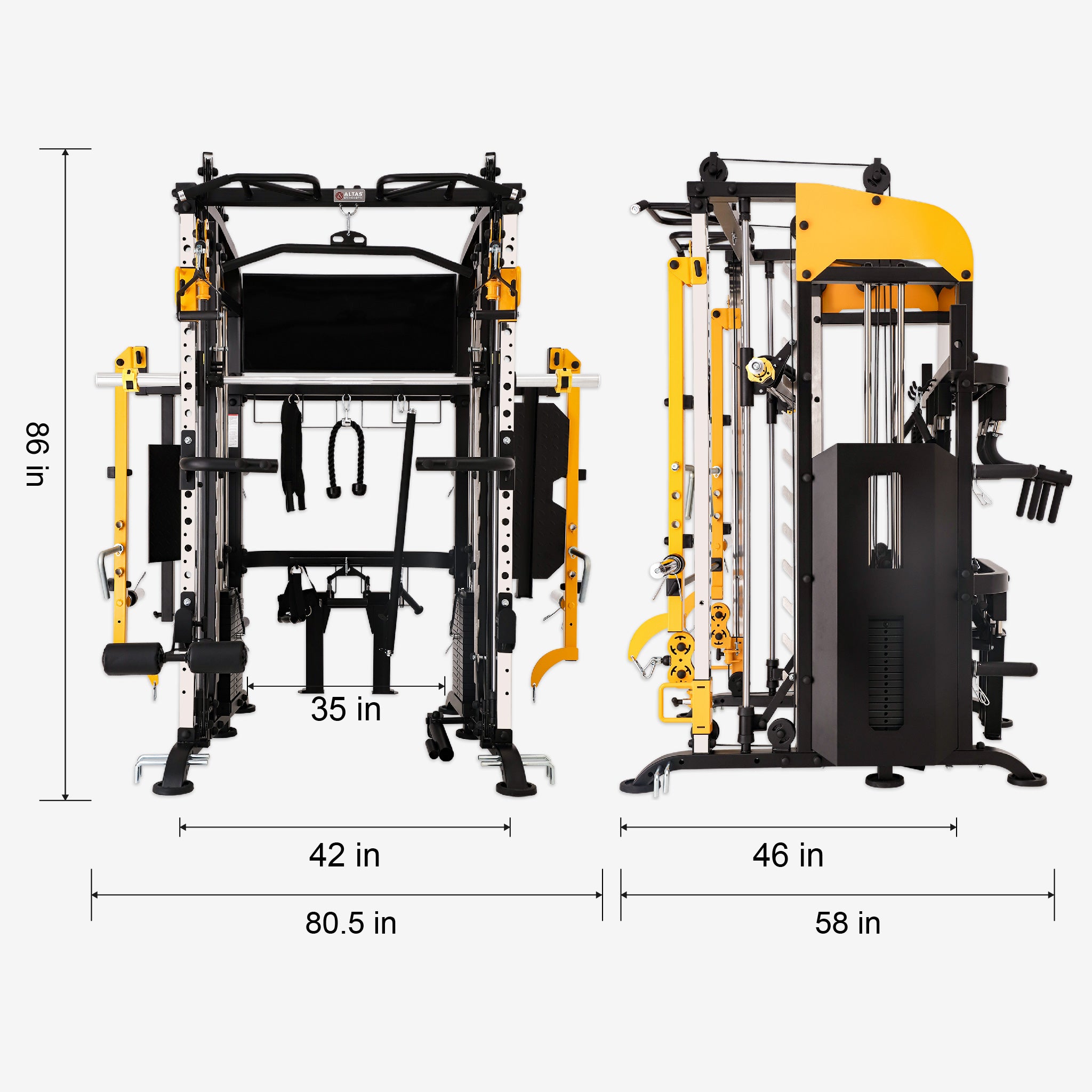
Dimensions: Will it fit your workout and storage area?
-
Padding: Review the pad material, size, and adjustment options.
-
Included accessories: Confirm what is included and what is sold separately.
-
Assembly: Check the setup requirements and instructions.
-
Warranty and support: Review the manufacturer’s coverage and support information.
Product features can vary by model and configuration. Use the product listing or manufacturer information to verify details before buying.
Final Takeaway
A leg extension machine is not a must-have for every home gym, but it can fill a specific role: focused quadriceps training. It is often most useful as an accessory to broader lower-body exercises rather than as a replacement for squats, leg presses, or other compound movements.
Before investing in a dedicated station, consider how often you will use it, whether you need leg extension alone or a leg extension and leg curl combination, and whether your space can accommodate it.
For an Altas Strength model, compare the exact machine’s adjustment options, resistance system, capacity, dimensions, and included functions with your training goals and available space.